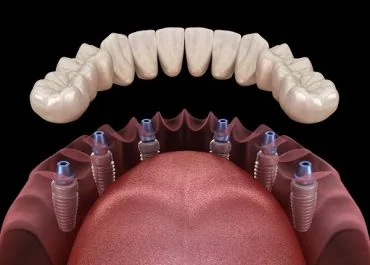
The long-term success of dental implant treatment does not depend solely on placing the implant in the jawbone. Healthy gum and bone tissue surrounding the implant is one of the fundamental requirements for the biological sustainability of the treatment. For this reason, in patients with gum bleeding, tartar buildup, periodontal pockets or jawbone loss, gum health is evaluated in detail before implant planning.
Having gum disease does not mean that a patient can never have implants. However, proceeding directly to implant placement while active and uncontrolled periodontitis is present may increase the risk of infection and bone loss developing around the implant in the future. The right approach is to first treat the existing disease, make oral hygiene sustainable, and then carry out personalized implant planning.
Why Does Gum Disease Affect Implants?
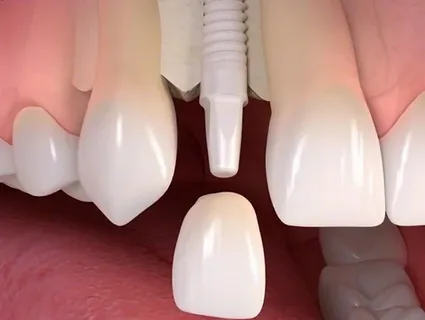
Periodontitis is a chronic inflammatory disease that affects the gum tissues surrounding the teeth and the jawbone. When bacterial biofilm is not kept under control, periodontal pockets can form between the gum and the tooth, and the bone supporting the tooth can be lost. Although implants do not decay like natural teeth, the tissues around them are susceptible to bacterial infections. Inflammation limited to the soft tissue around an implant is called peri-implant mucositis, while the condition that progresses with bone loss is called peri-implantitis.
Patients who have previously had periodontitis may be more prone to peri-implant diseases. This does not rule out implant treatment altogether; however, it requires more controlled planning, effective oral hygiene and regular professional care.

When Is Implant Treatment Postponed?
If there is active gum infection, uncontrolled bleeding, deep periodontal pockets, heavy tartar buildup or ongoing bone loss, implant surgery is generally postponed until the disease is brought under control. Placing a new implant without treating active sources of infection in the mouth can make it difficult to create a healthy healing environment.
Before implant treatment, not only the area where the implant will be placed but all the teeth and gum tissues in the mouth should be evaluated. Ongoing periodontal infection around other teeth can also increase the bacterial load in the mouth and affect the long-term health of the implant site.
Infection Control First, Then Implant Planning
Prof. Dr. Serhat Yalçın, Oral and Maxillofacial Surgery Specialist and one of the founders of Dentram, explains the right timing of implant treatment in patients with gum disease as follows:
“Gum disease is not, on its own, an absolute obstacle to implant treatment. What is decisive for us is whether the disease is active and whether the patient can maintain oral hygiene sustainably. Placing an implant while periodontitis is active, focusing only on the missing tooth area, means a treatment that lacks a biological foundation. We first bring the sources of infection under control and stabilize the gum and bone tissues. Then we plan the position of the implant, the surrounding bone volume, the soft tissue structure and the cleanability of the prosthesis together. Long-term success depends as much on this preparation and follow-up process as on the surgical procedure itself.”
How Is Gum Treatment Performed Before Implants?
In the first stage, a comprehensive periodontal examination is performed. The depth of the gum pockets, bleeding, tooth mobility, tartar buildup and bone levels are assessed. The necessary radiological images are taken to examine the prognosis of the teeth and the bone structure in the area where the implant will be placed.
Initial treatment may include professional tartar removal, cleaning of the tooth root surfaces and personalized oral hygiene instruction. In advanced periodontitis cases, periodontal surgery or regenerative procedures aimed at rebuilding the tissues may be required. Extraction of teeth that cannot be saved and that act as sources of infection may also be part of the treatment plan.
At Dentram, the Guided Biofilm Therapy (GBT) protocol is also used in the periodontal care process. In this approach, the bacterial biofilm on the teeth and around the gums is first made visible, then removed in a controlled manner using AIRFLOW and, where needed, PERIOFLOW technologies. The PIEZON system is used when necessary to remove any remaining tartar. GBT helps create a more controlled, minimally invasive care process that prioritizes patient comfort, especially when cleaning gum pockets and the areas around implants.
Once active treatment is completed, the response of the gum tissues is re-evaluated. If bleeding and infection have been brought under control, periodontal pockets have stabilized and the patient can maintain daily oral care, implant planning can begin. Personal risk factors such as smoking, uncontrolled diabetes and teeth clenching should also be evaluated separately during this process.
Can Implants Be Placed in Patients Who Have Had Periodontitis?
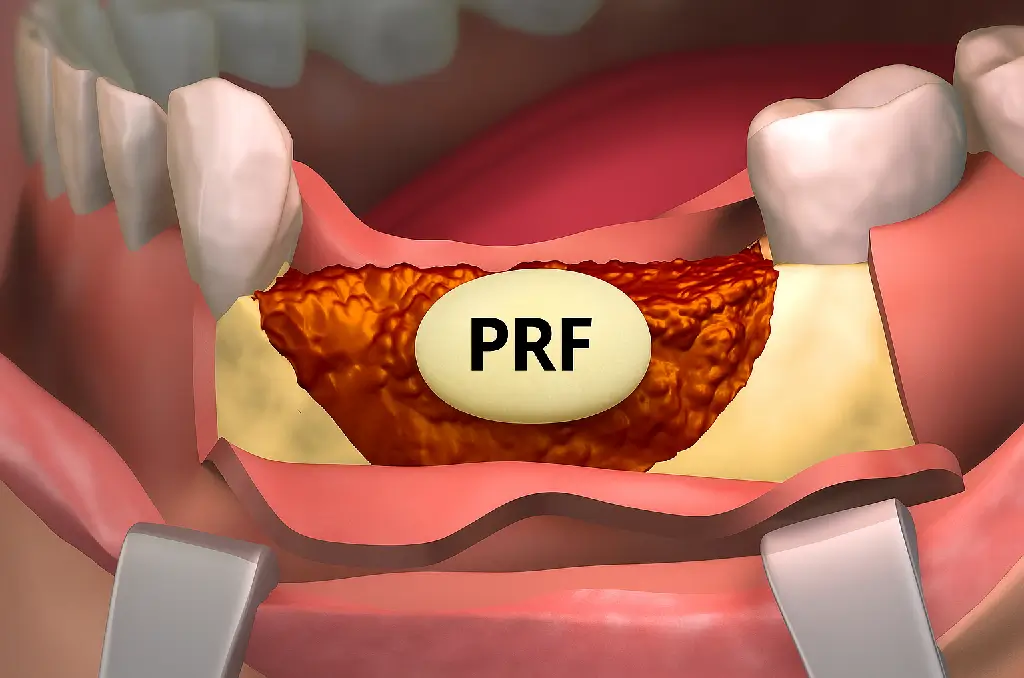
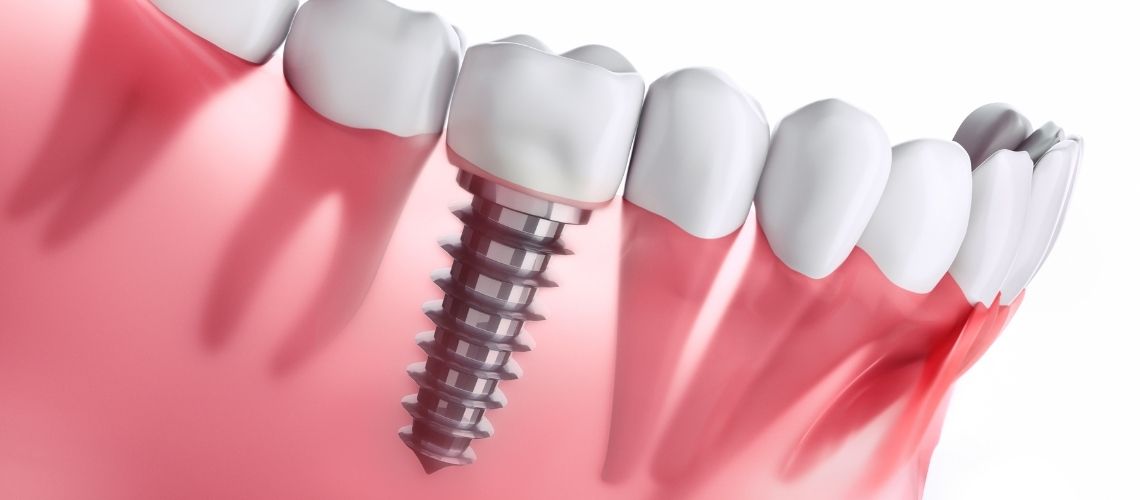
Implants can be placed under suitable conditions in patients with a history of treated periodontitis. However, past bone loss may affect the bone volume at the implant site and the position in which the implant is placed. Some patients may need additional treatments before implant placement, such as bone grafting, sinus lifting or soft tissue correction.
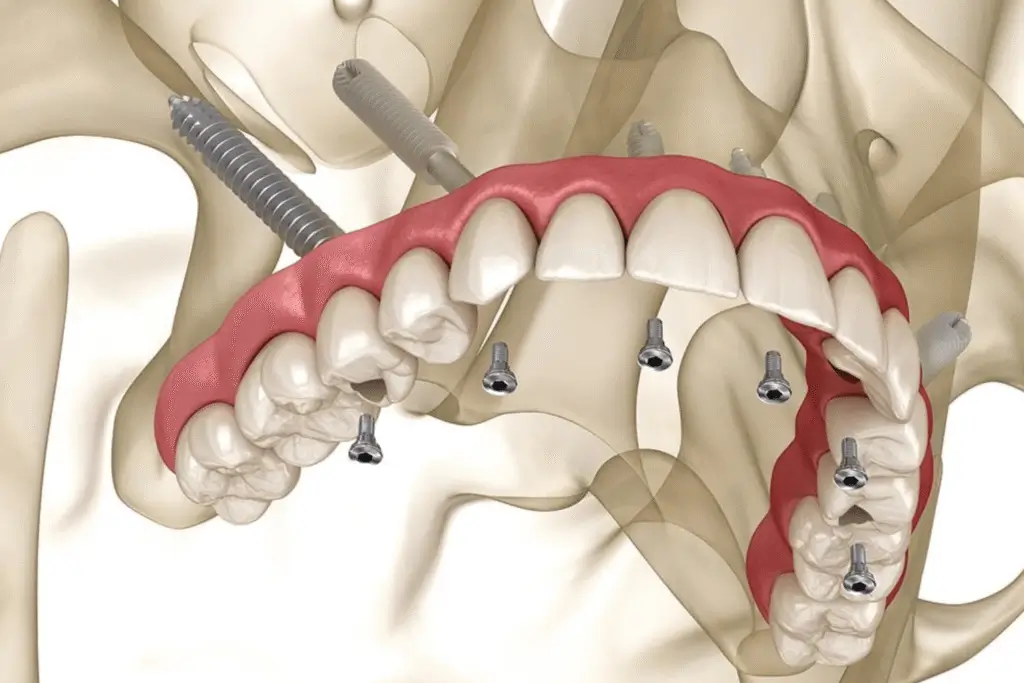
In the treatment plan, it is just as important for the prosthesis placed on top to be easy to clean as it is for the implant to be in the correct three-dimensional position. Since prosthesis designs that make cleaning difficult can increase plaque buildup, surgical and prosthetic planning should be approached as a whole.
Why Is Post-Implant Care Important?
For patients with a history of gum disease, regular follow-up after implant treatment is completed is essential. During check-ups, bleeding, pocket depth, plaque buildup and bone levels around the implant are evaluated. Professional care intervals are personalized according to the patient’s periodontal risk level.
Correct brushing at home and the use of dental floss or interdental brushes also play an important role in keeping the tissues around the implant healthy. Noticing early signs such as gum bleeding or swelling during check-ups can help prevent more advanced bone loss.
Dentram Support in Implant Treatment
At Dentram, implant planning begins with treating any existing gum disease and bringing sources of infection in the mouth under control. Clinical examination, digital radiological assessment, and bone and soft tissue analysis are carried out together to create a personalized treatment sequence.
If you are experiencing gum bleeding, gum recession, bad breath or loose teeth, it is important to have a periodontal evaluation before starting implant treatment. Healthy, well-maintained gum tissues help ensure that implant treatment is planned correctly and that its long-term success is preserved.