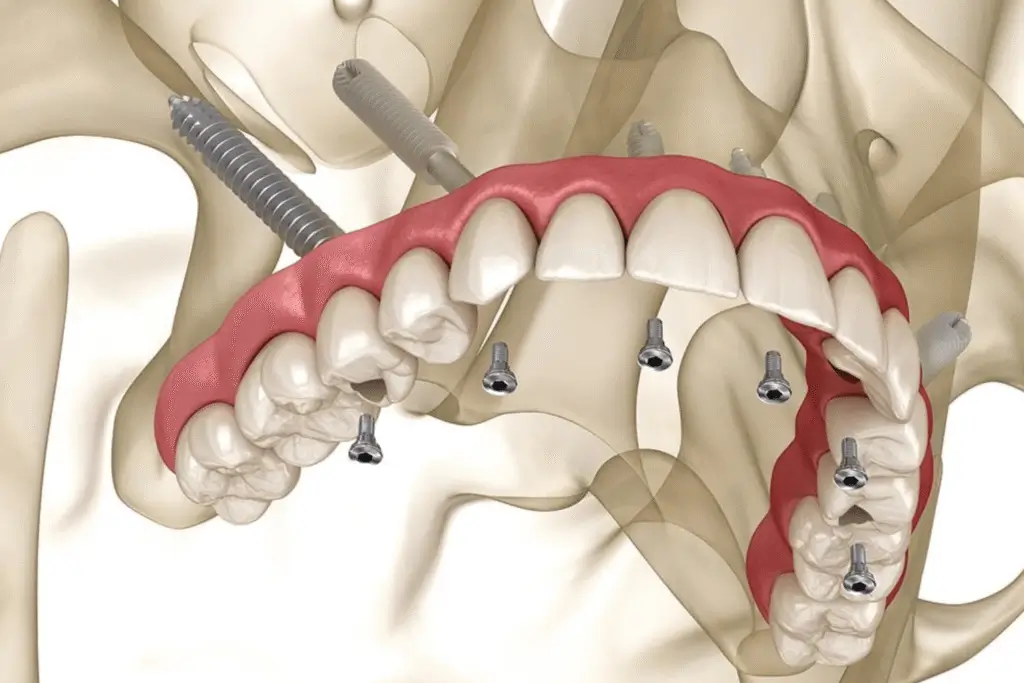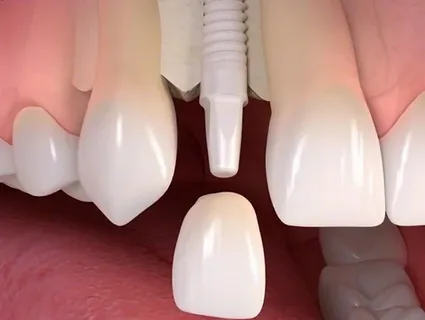
Dental implants are long-lasting treatment options used to restore the function and appearance of missing teeth. However, the fact that an implant has successfully fused with the jawbone does not mean that the surrounding tissues will never experience any problems. Just as with natural teeth, bacterial plaque can build up around implants and inflammatory diseases can develop over time.
Early-stage inflammation that is limited to the soft tissues around the implant is called peri-implant mucositis. When the inflammation progresses and causes loss of the jawbone supporting the implant, it is defined as peri-implantitis. While the disease can be managed in a more controlled way when it is noticed early, progressive bone loss can put the long-term success of the implant at risk.
What Is Peri-implantitis?
Peri-implantitis is an inflammatory disease linked to the bacterial biofilm around an implant, affecting both the gum tissues and the jawbone that supports the implant. For this reason, it should not be regarded as merely a superficial gum problem.
In peri-implant mucositis, the inflammation is limited to the soft tissues and there is no bone loss yet. In peri-implantitis, on the other hand, there is bone loss that can be identified on radiographs. Distinguishing between these two clinical conditions is important for determining the treatment approach.
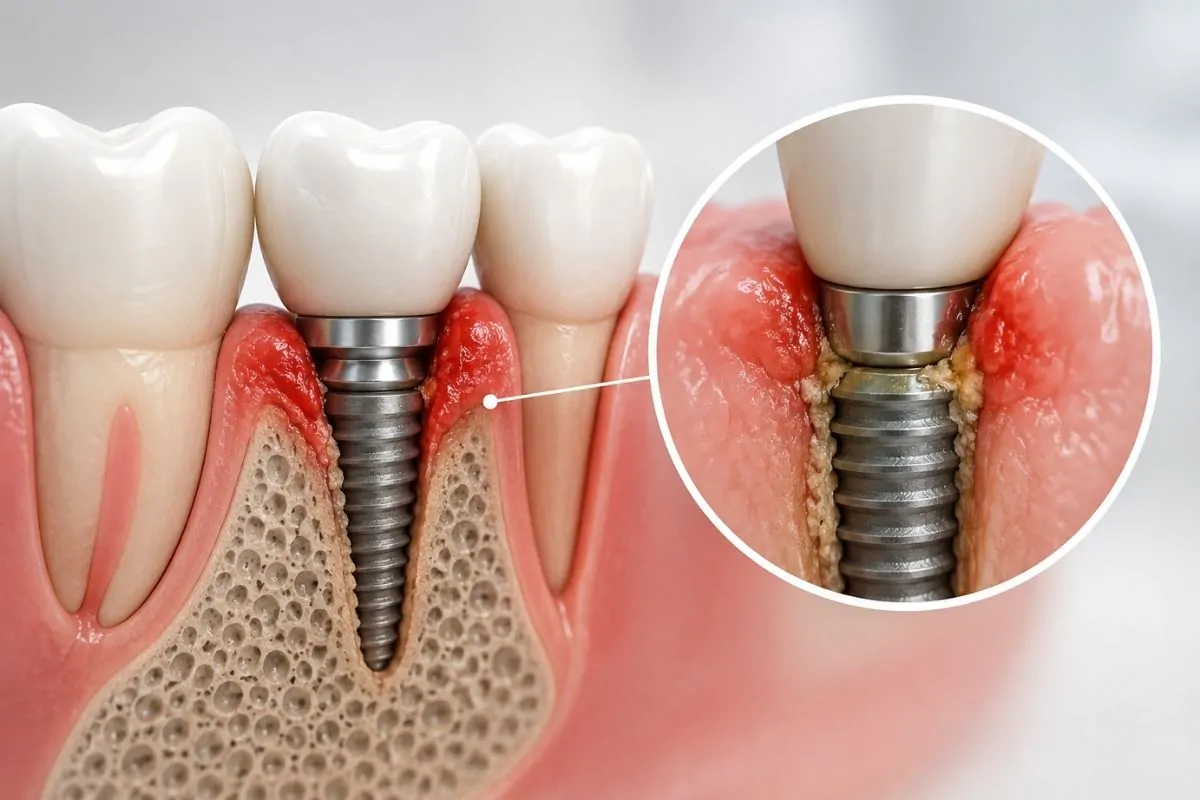
What Are the Symptoms of Peri-implantitis?
Peri-implantitis does not always begin with severe pain. Because it can progress in some cases without causing any obvious complaints, regular implant check-ups are important for early diagnosis.
The main symptoms that may be seen around an implant are:
- Redness and swelling of the gums
- Bleeding during brushing or examination
- Pus coming from around the implant
- Bad breath or a bad taste in the mouth
- Gum recession around the implant
- The implant surface becoming visible
- Sensitivity when chewing
- Movement of the implant in advanced cases
An implant becoming loose usually indicates an advanced loss of support. However, even earlier signs such as bleeding or redness alone are reason enough for a specialist assessment.
What Causes Peri-implantitis?
The underlying cause of the disease is the bacterial biofilm that accumulates around the implant. Inadequate oral hygiene, an implant-supported prosthesis that is difficult to clean and a lack of regular professional care can all make it easier for bacteria to build up.
A history of advanced gum disease, smoking and uncontrolled diabetes can also increase the risk of peri-implantitis. In addition, the position of the implant, the structure of the surrounding gum tissue, the biomechanical fit of the prosthesis and the patient’s teeth-clenching habit should be assessed individually. For this reason, peri-implantitis is often caused not by a single factor but by a combination of biological and mechanical factors.
Can Early Diagnosis Save an Implant?
Dentram co-founder and oral and maxillofacial surgeon Prof. Dr. Serhat Yalçın explains why peri-implantitis should not be regarded as merely a superficial gum problem:
“Bleeding or slight swelling around an implant is often seen by patients as a temporary gum sensitivity. However, peri-implantitis is a biological process that, as it progresses, can lead to losses in the bone supporting the implant that are difficult to reverse. Our basic principle here is not only to clean the infected area, but to identify the biological and mechanical factors causing the disease together. The cleanability of the implant-supported prosthesis, the patient’s oral hygiene, bite forces and systemic risk factors should be evaluated within the same plan. Early diagnosis significantly increases our chances of preserving the implant and the surrounding tissues.”
How Is Peri-implantitis Diagnosed?
Peri-implantitis is not diagnosed simply by looking at the area around the implant. During the clinical examination, the colour and structure of the gum tissue are examined, and pocket depth, bleeding and the presence of pus are assessed with careful probing.
The findings are compared with the baseline records taken after implant treatment and with current radiographs. In this way, it can be determined whether there is bone loss around the implant and how far it has progressed.
Where necessary, three-dimensional dental tomography can be used to examine the structure of the bone and its relationship with the surrounding anatomical structures in more detail. The cleanability of the implant-supported prosthesis, the bite relationship and the patient’s general health are also evaluated.
How Is Peri-implantitis Treated?
The first aim of treatment is to reduce the bacterial load and the inflammation in the tissues. The patient is shown how to clean around the implant correctly, and the implant surfaces are mechanically cleaned with suitable professional instruments. If the implant-supported prosthesis makes cleaning difficult, it may need to be modified. Risk factors such as smoking, uncontrolled diabetes and active gum disease are also addressed as part of the treatment plan.
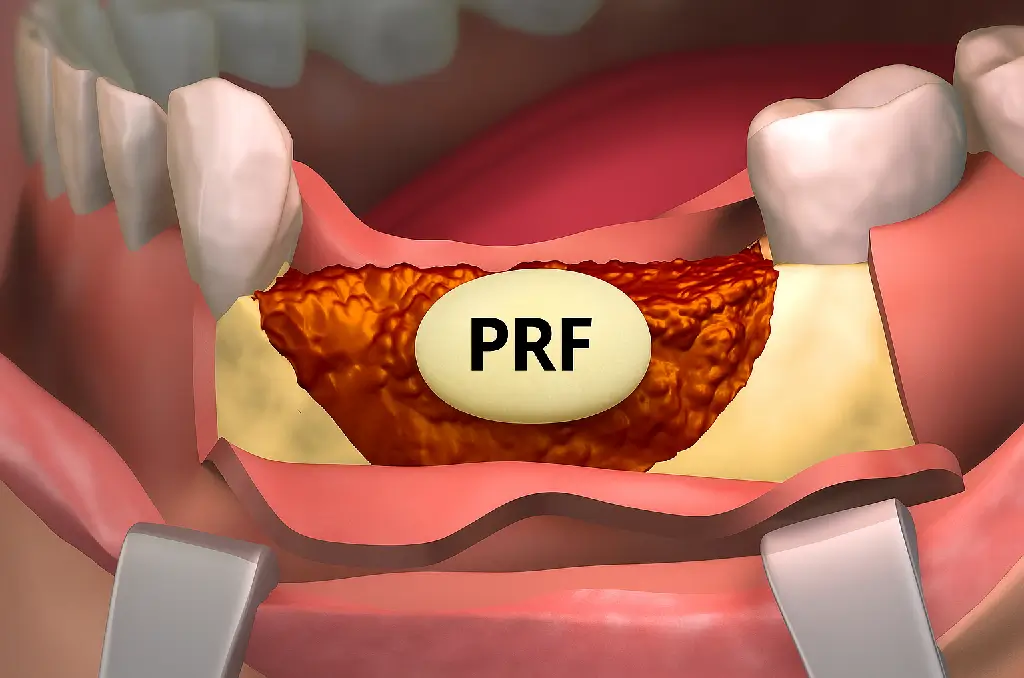
After the initial treatment, the tissues are re-evaluated. Surgical treatment may be planned if deep pockets, bleeding, pus or progressive bone loss persist. In surgery, the implant surface is accessed directly and the infected tissues are cleaned. Depending on the shape of the bone loss, treatments aimed at reshaping the tissue or rebuilding bone support may be carried out.
Antibiotics are not the main treatment for peri-implantitis on their own. They may only be used as a supportive measure in selected cases where the dentist considers them necessary based on the clinical findings and the patient’s general health. If the implant is severely loose or the biological support around it cannot be restored, removing the implant may be considered. At this stage, the Guided Biofilm Therapy (GBT) protocol can also be used to remove the biofilm around the implant in a controlled and gentle way.
Our Approach to Peri-implantitis at Dentram
At Dentram, diseases around implants are assessed through a combined evaluation of the clinical examination, digital radiological analysis, a check of the implant-supported prosthesis and the patient’s individual risk factors. The treatment plan focuses not only on reducing inflammation, but also on bringing under control the causes that contribute to the disease coming back.
If you notice bleeding, swelling, a bad taste or gum recession around an implant, it is important to seek a specialist assessment without waiting for the symptoms to progress. Early diagnosis, personalised treatment and regular care can help preserve the health of the tissues surrounding the implant and the long-term success of your implant treatment.