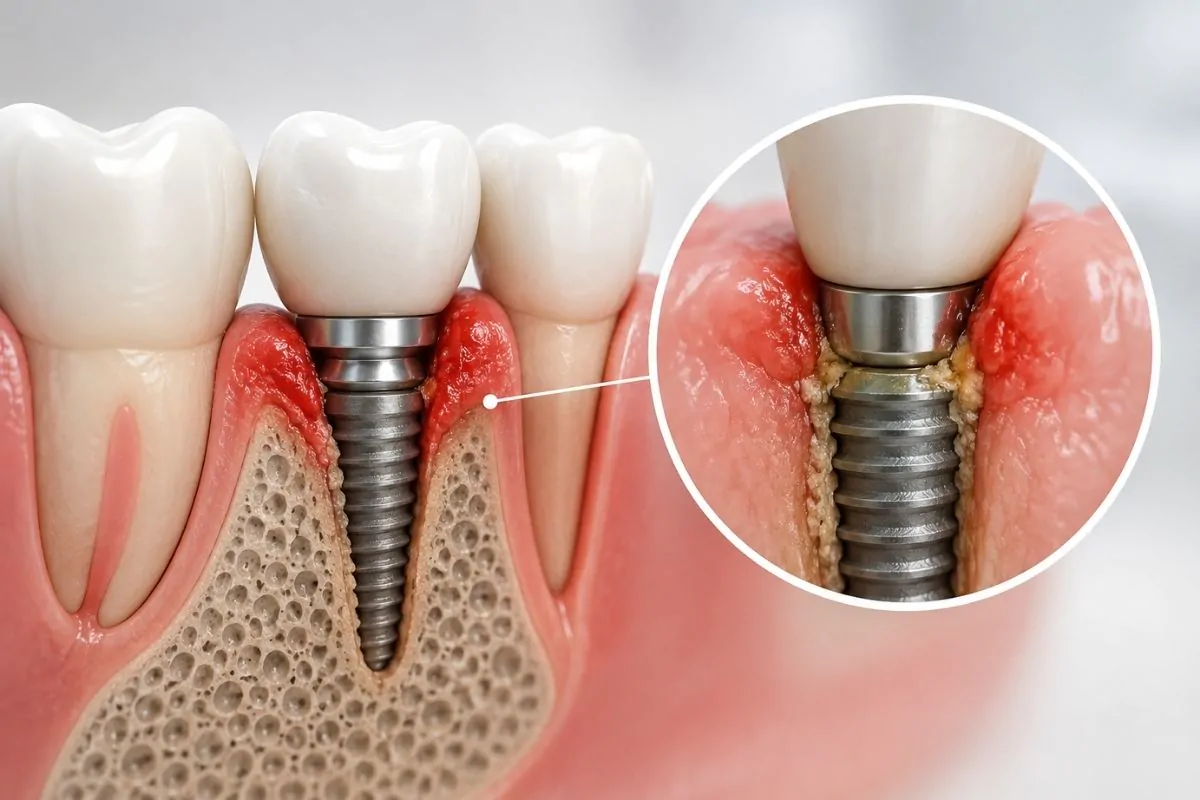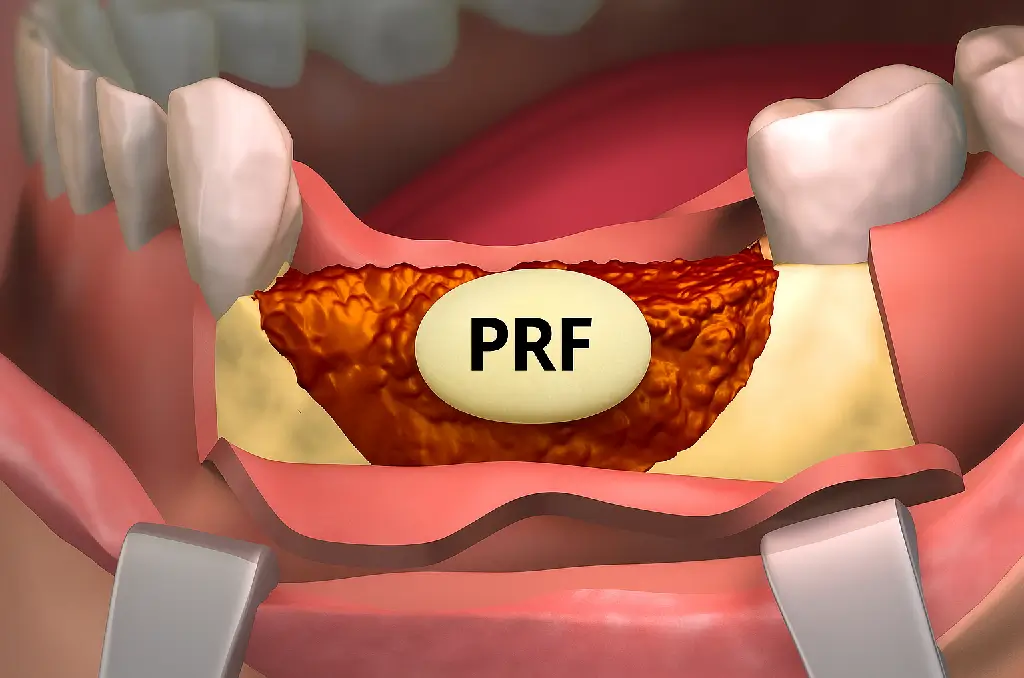
For a dental implant to be placed healthily and in the right position, the jawbone needs to have sufficient height and width. However, teeth missing for a long time, advanced gum disease, trauma or certain past surgical procedures can lead to serious loss of jawbone over time.
When bone volume decreases, it may not always be possible to place an implant directly. In such cases, the lost bone first needs to be rebuilt. Today, various bone augmentation methods are used for this purpose. The Box Technique is one of the regenerative surgical methods that can be considered in selected cases, particularly those with advanced, three-dimensional bone loss.
What Is the Box Technique?
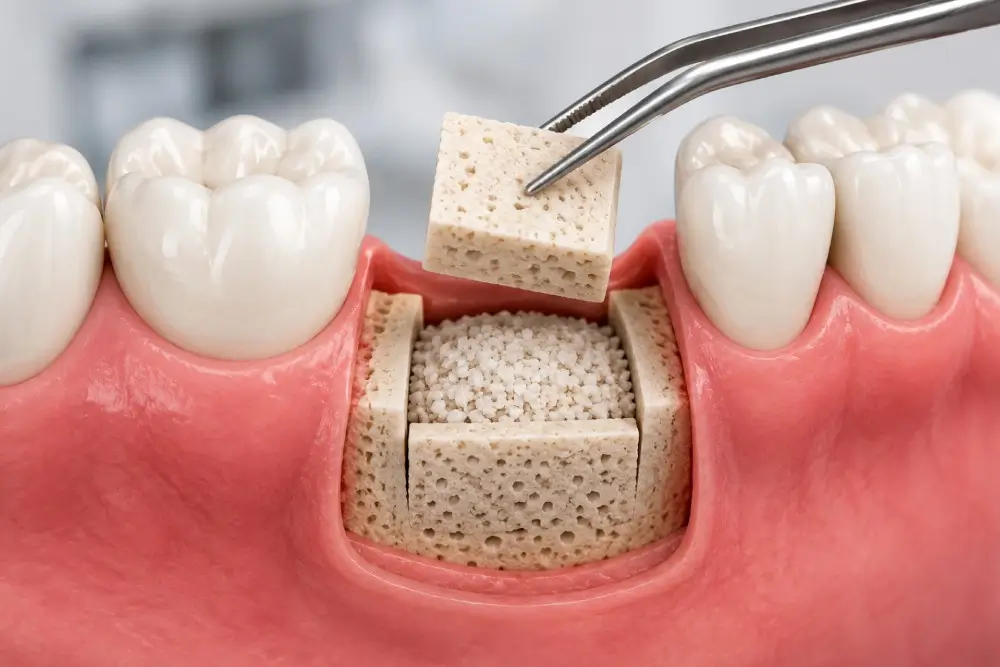
The Box Technique is a bone regeneration method that aims to create a three-dimensional, protected space for new bone to form in the area where jawbone has been lost.
This is where the word “box” in the name of the technique comes from. During surgery, a boundary is created around the area of bone deficiency using biocompatible materials that are resorbed by the body over time. Bone graft is then placed inside this space.
The aim is to create a stable environment in which new bone can form, by keeping the graft material in the planned area and in the desired shape during the healing period. One of the support structures used in the Box Technique is resorbable material based on polylactic acid. Once these materials have done their job during healing, they are gradually broken down and removed by the body.
Why Does the Jawbone Become Insufficient?
The jawbone is a tissue that stays healthy thanks to the presence of the teeth and the forces created during chewing. When an area is left unused for a long time after a tooth is lost, the bone can shrink over time.
The main causes of bone loss include:
- Teeth that were extracted years ago
- Advanced periodontitis and the resulting bone loss
- Long-term use of removable dentures
- Trauma
- Jaw cysts or certain surgical operations
- Natural bone resorption after tooth extraction
In some patients the bone decreases only in height, while in others both height and width may be lost. Especially with such three-dimensional defects, the bone tissue may first need to be rebuilt so that the implant can be placed in the ideal position.
Which Patients Can Be Considered for the Box Technique?
The Box Technique is not a standard method used for every case of bone loss. For more limited bone deficiencies, other grafting methods may be sufficient. The technique may be considered particularly for patients with marked horizontal and vertical bone loss in the area where the implant will be placed. It may also be considered for some patients who have been without teeth for many years or whose existing bone is insufficient for an implant.
What matters here is not only “how much bone is left”. The shape of the bone, the structure of the gums, the future position of the implant, the patient’s general health and chewing forces are all evaluated together. For this reason, the treatment decision should be made after three-dimensional imaging and detailed surgical planning.
“Plan the Bone the Implant Will Sit in Before Planning the Implant”
Dentram co-founder and oral and maxillofacial surgeon Prof. Dr. Serhat Yalçın explains the importance of treatment planning in advanced bone loss:
“In a patient with advanced bone loss, we do not simply look at whether an implant will fit. Our goal is to create a bone structure in which the implant can sit in the correct three-dimensional position and function in the long term. Regenerative methods such as the Box Technique help us rebuild lost bone volume in suitable cases. The most important point here is choosing the right case. The shape of the bone defect, the soft tissues and the future position of the prosthesis should all be planned together before surgery even begins.”
How Is the Box Technique Performed?
Before treatment, in addition to a clinical examination, the location and extent of the bone loss are assessed with three-dimensional dental tomography. The ideal position of the future implant is also included in the planning at this stage. During surgery, the area of bone deficiency is accessed and resorbable support structures are prepared to create the volume needed for new bone. The space created is filled with bone graft, and the soft tissues are closed and left to heal.
During this period, the body begins the process of forming new bone around the graft material. The resorbable support materials used, meanwhile, break down over time. Compared with the metal support structures used in some conventional methods, which have to be removed later, this can reduce the need for a separate surgical procedure to remove the support material. Once the bone tissue has matured sufficiently, the area is re-evaluated and, when the conditions are right, implant treatment can begin.
Can the Box Technique and the Implant Be Done at the Same Time?
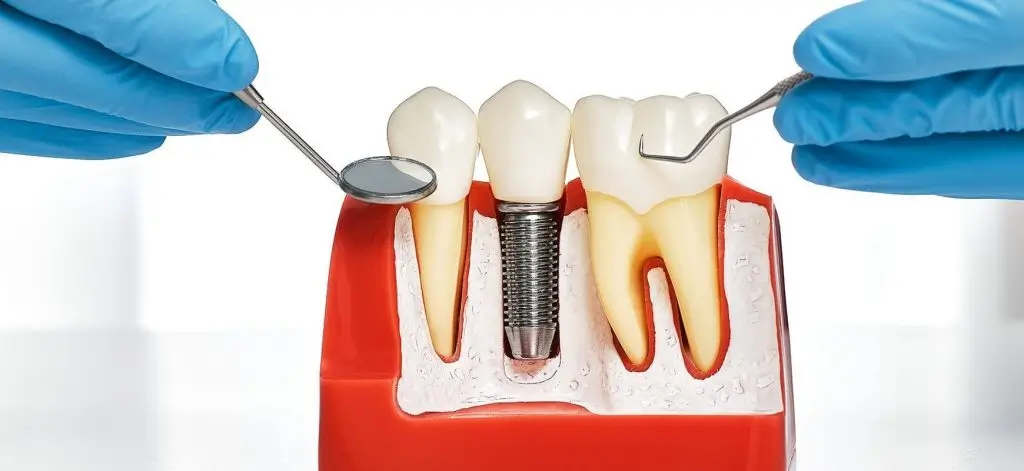
The answer to this question is not the same for every patient. In many cases with advanced bone loss, the priority is to build new bone and allow it to heal. The implant can then be planned at a later stage.
The extent of bone loss and the capacity of the remaining bone to support an implant determine whether treatment will be carried out in a single stage or in several stages. For this reason, the Box Technique should be seen not as a “quick implant” procedure, but as a treatment aimed at preparing the biological foundation needed for the long-term success of the implant.
How Is Advanced Bone Loss Assessed at Dentram?
At Dentram, the treatment plan for patients with advanced bone loss begins with a clinical examination and a three-dimensional radiological assessment. The direction and extent of the bone loss, the surrounding anatomical structures, the gum tissue and the position of the future prosthesis are evaluated together.
The same method is not used for every case of advanced bone loss. Depending on the patient, conventional bone grafts, sinus lifting, the Box Technique or other advanced surgical methods may be considered.
If you have been told that your jawbone is insufficient for an implant, this alone does not mean that implant treatment is not possible. Every patient can have implants. The difference between patients is this: some patients can be treated in a short time, while others may need a longer period of around one year.
With the right imaging and personalised surgical planning, different treatment options aimed at rebuilding the bone structure can be considered. You can get detailed information about the treatment options suited to your bone structure by consulting Dentram’s oral and maxillofacial surgeons.