Tooth loss, advanced gum disease, long-standing infections or surgical procedures can affect not only the tooth itself but also the surrounding bone and gum tissue. In some patients there is not enough bone left in the area where an implant is to be placed, while in others the gum tissue may have thinned or receded.
Regenerative dentistry covers treatments that, in such cases, aim to rebuild lost bone and soft tissue as far as possible by supporting the body’s natural capacity to heal.
The goal here is not always to restore the tissue completely to its former state. Depending on the shape, extent and location of the loss, some tissues can be regained to a significant degree, while in other cases it may only be possible to preserve the existing structure and create a healthy foundation for treatment.
What Does Regenerative Dentistry Mean?
When a wound forms, our body naturally starts the repair process. A blood clot forms, new blood vessels develop and, over time, new tissue is produced. Regenerative dentistry aims to support this natural process with the right surgical environment and suitable biological materials.
In dentistry, regenerative methods can be used particularly in the following situations:
- Augmenting insufficient jawbone before an implant
- Certain types of bone loss caused by gum disease
- Treating gum recession
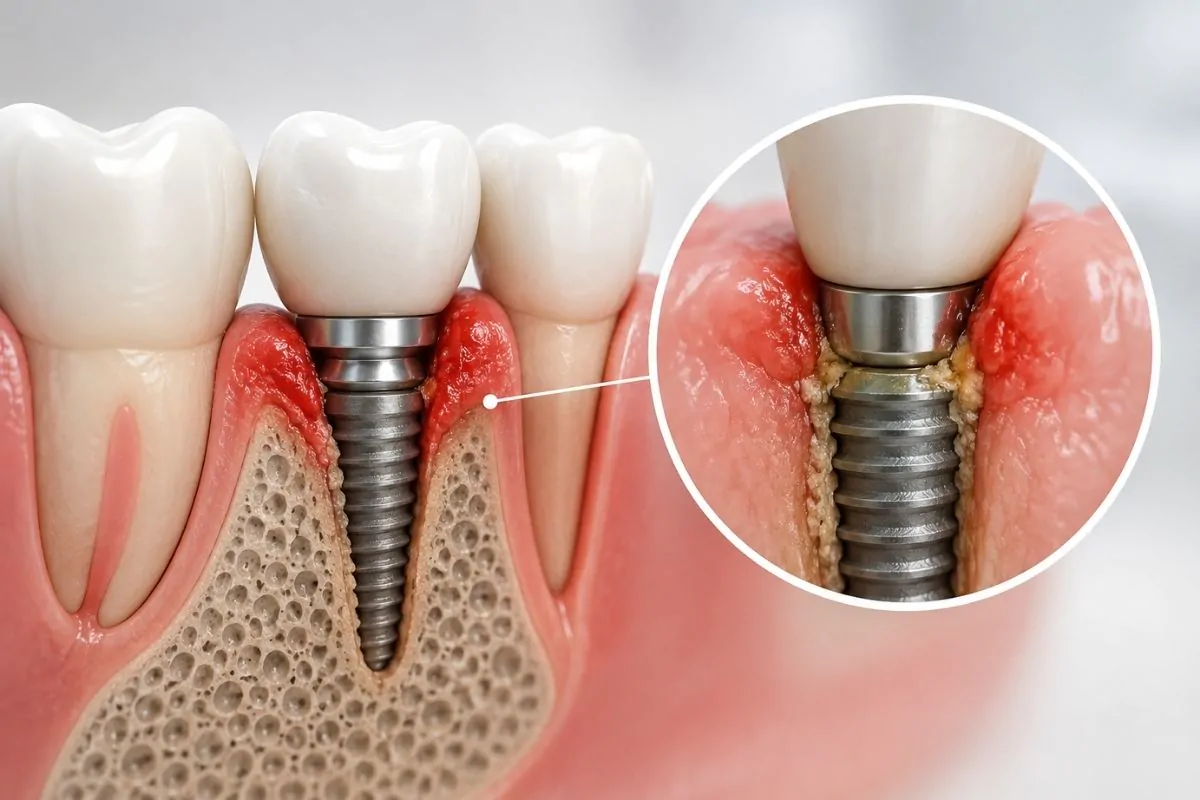
- Bone and soft tissue deficiencies around implants
- Preserving bone volume in the area after a tooth extraction
- Sinus lifting and advanced bone augmentation procedures
Which method is used depends on where the loss is and on the patient’s needs.
How Can Lost Bone Be Rebuilt?
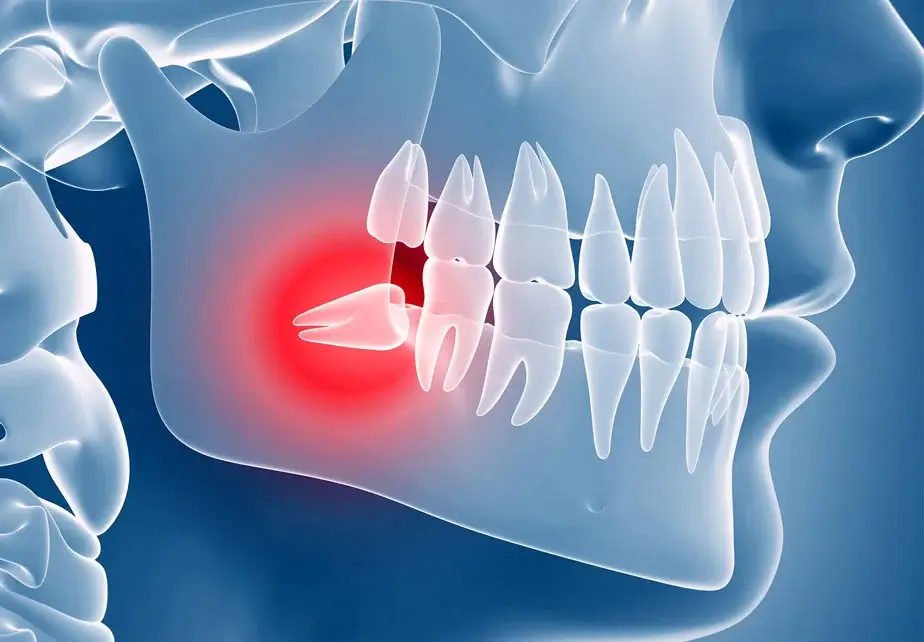
After a tooth is extracted, the jawbone in that area can lose volume over time. Advanced gum disease can also cause the bone that supports the teeth to decrease.
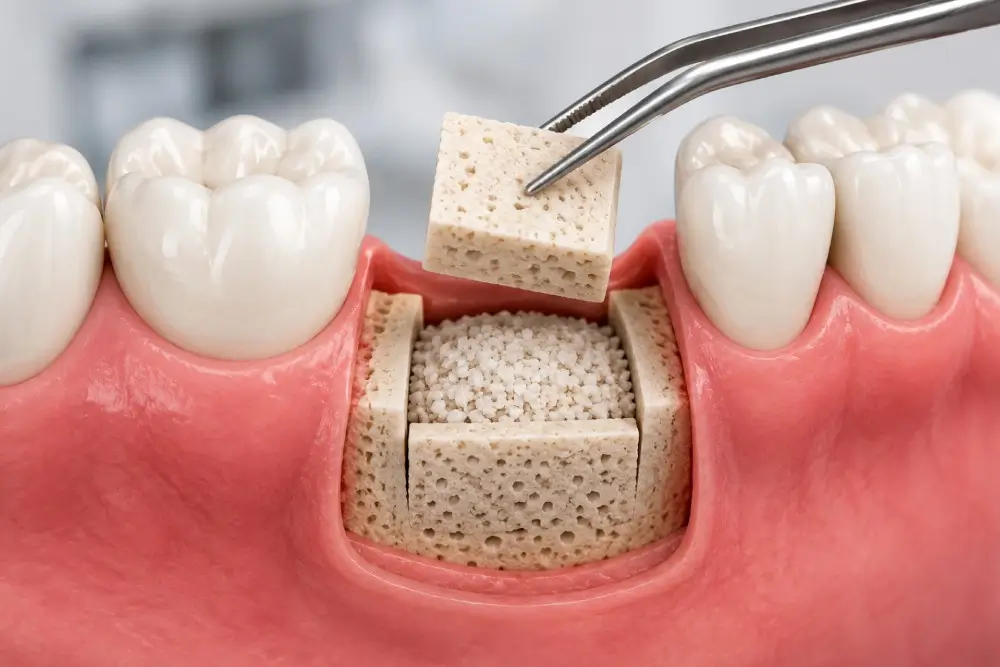
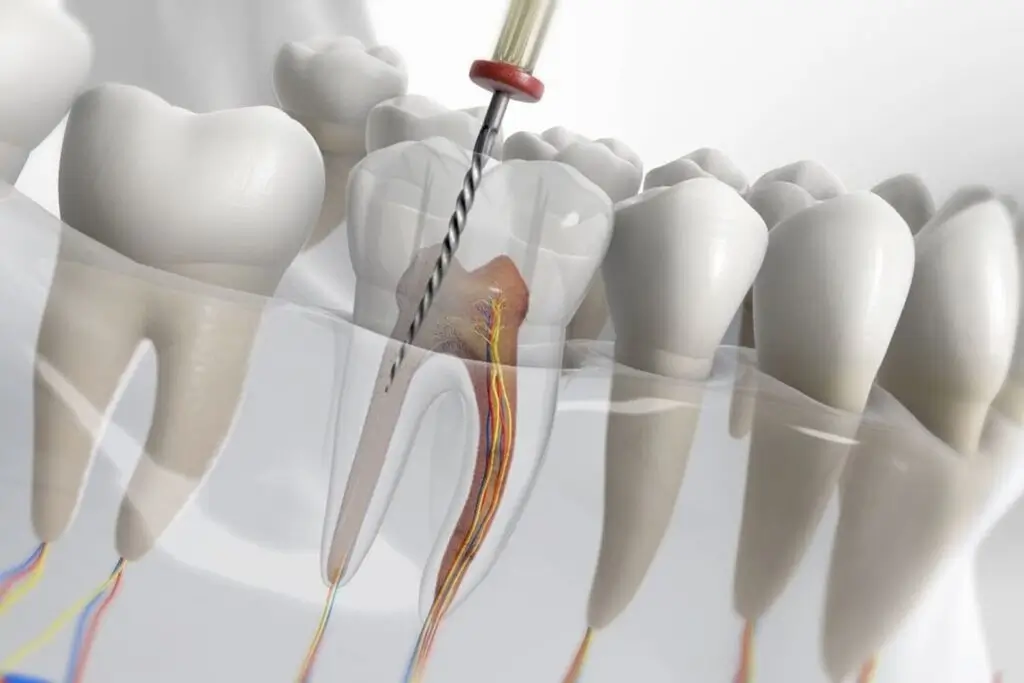
If there is not enough bone in the area where an implant is planned, materials known as bone grafts can be used. Also known informally as “bone powder”, these materials help create a framework in which new bone can form.
In some cases, a special membrane is placed over the graft. During healing, the membrane prevents soft tissue from growing too early into the area where bone is meant to form, creating a protected space in which new bone can develop. This approach is called guided bone regeneration. In cases of advanced bone loss, depending on the shape of the loss, more extensive augmentation methods or advanced surgical procedures such as sinus lifting or the Box Technique may be needed.
Why Is Soft Tissue Regeneration Important?
Having enough bone alone is not sufficient for a healthy implant or natural tooth. The thickness and structure of the gum tissue are also important for long-term health and aesthetics. When the gum is very thin or has receded, the root surface or the area around the implant can become more exposed. In some patients this causes an aesthetic problem, while in others it can make cleaning more difficult or lead to sensitivity.
In these cases, gum thickness can be increased using tissue grafts taken from the patient’s own palate or suitable biomaterials. The aim is to support not only the appearance of the area but also how easy it is to clean and the long-term health of the tissue.
How Is PRF Used in Regenerative Treatments?
PRF is a fibrin-rich biological material obtained from the patient’s own blood. Before the procedure, a small amount of blood is taken from the patient and, using a special centrifuge process, fibrin, platelets and various cellular components involved in healing are separated.
The PRF obtained is not “new bone” on its own. It should rather be thought of as an auxiliary biological material that supports the natural healing environment at the surgical site. It can be used together with graft materials in bone augmentation procedures, and it may also be preferred in periodontal surgery and soft tissue procedures to support healing.
“Regeneration Means Bringing the Body’s Healing Potential Together with the Right Environment”
Dentram co-founder and oral and maxillofacial surgeon Prof. Dr. Serhat Yalçın explains the importance of choosing the right cases for regenerative treatment:
“In regenerative surgery, our aim is not simply to place a material in the area that is missing. First, we need to prepare a stable and healthy environment in which the body can form new tissue. We use bone grafts, membranes and biological support such as PRF, obtained from the patient’s own blood, for this purpose. However, not every loss of bone or gum can be treated in the same way. The shape of the defect, its blood supply, the condition of the surrounding tissues and the future position of the implant must all be evaluated together. Successful regeneration is based on the right biological environment and the right surgical planning.”
Can Every Loss of Bone or Gum Be Regained?
Although regenerative treatments offer important possibilities, it is not correct to say that every tissue loss can be completely restored. For example, some vertical bone losses caused by gum disease are better suited to regenerative methods, while wide, horizontal bone losses may require different surgical methods. Similarly, with gum recession, the extent of the recession, the position of the tooth and the surrounding bone support affect the outcome of treatment.
For this reason, a clinical examination and the necessary radiological imaging should be carried out first, and a realistic treatment goal should then be set.
How Are Regenerative Treatments Planned at Dentram?
At Dentram, the treatment plan for patients with bone or soft tissue loss is not based only on looking at the area of loss. The three-dimensional bone structure, the gum tissue, any existing infections, the position of the future implant or restoration and the patient’s general health are evaluated together. Depending on the needs of the case, one or more of bone grafts, collagen membranes, soft tissue grafts, PRF, sinus lifting or advanced bone augmentation methods may be planned.
Regenerative dentistry is not a single method that promises to bring back lost tissue completely under all conditions; it is a personalised treatment approach that supports the body’s natural healing capacity with the right surgical and biological conditions. After a detailed assessment with Dentram’s specialist dentists, suitable regenerative options for your bone and soft tissue can be determined.