When toothache starts or the face swells, one of the first solutions many people think of is an antibiotic. Sometimes a few leftover tablets from a previous course of antibiotics are even taken again without consulting a doctor. Yet not every tooth-related pain or infection requires antibiotics.
Antibiotics are extremely important medicines in the fight against bacterial infections. However, when they are not used in the right situation, they may not solve the existing dental problem and can contribute to a bigger health problem such as antibiotic resistance. The basic approach in dentistry is, wherever possible, to find the source of the problem first and treat it directly.
Are Antibiotics Needed for Toothache?
Toothache can have many different causes. A deep cavity, inflammation of the tooth’s nerve, a cracked tooth, gum disease or an infection at the root tip can all cause pain. However, the presence of pain alone does not mean that antibiotics need to be used. For example, when decay has reached the nerve tissue of the tooth and is causing severe pain, the real problem lies inside the tooth. Taking antibiotics does not remove this damaged tissue.
In such a case, depending on the condition of the tooth, the necessary treatment may be root canal treatment, a filling, drainage or the extraction of a tooth that cannot be saved. In other words, the aim is not just to suppress the symptoms but to remove the real source of the pain and infection.

Are Antibiotics Always Used for a Dental Abscess?
When people hear “dental abscess”, they tend to think antibiotics are always necessary. Yet even with a localised abscess, the first goal is to bring the source of infection under control. If the tooth can be saved, root canal treatment can be carried out. If the abscess can be emptied, drainage can be performed. If the tooth can no longer be treated, extraction may be necessary.
Antibiotics become more important particularly when the infection is not limited to the tooth and its immediate surroundings. If there is fever, general weakness, rapidly increasing facial swelling or signs suggesting that the infection has spread to the surrounding tissues, the dentist may consider antibiotic treatment necessary. The patient’s immune system and general health are also part of the decision.
“Antibiotics Do Not Treat the Source of the Infection”
Dentram co-founder and oral and maxillofacial surgeon Prof. Dr. Serhat Yalçın explains why antibiotic use in dental infections needs to be assessed correctly:
“In dentistry, antibiotics should not be seen as the treatment itself. For example, if there is tissue inside an infected tooth that has lost its vitality, antibiotics cannot remove it. We must first identify the source of the infection and, if necessary, carry out a direct intervention such as root canal treatment, drainage or extraction. We use antibiotics when they are needed, based on how far the infection has spread, the patient’s general condition and systemic findings. Correct antibiotic use means not prescribing them when they are not needed just as much as prescribing them when they are.”
When May Antibiotics Be Needed?
Although every case is evaluated individually, antibiotic treatment may be considered in certain situations. Examples include an infection spreading to the surrounding tissues, systemic symptoms such as fever and feeling generally unwell, or patients with particular risks related to their immune system.
Some patients may also need preventive antibiotics before certain dental treatments. However, this is not done routinely for everyone either. Particularly in high-risk situations such as certain heart conditions, the patient’s medical history is assessed to decide whether it is necessary.
For this reason, general rules such as “antibiotics must always be used if an implant is placed” or “everyone should take antibiotics before a tooth extraction” are not correct.
Is It Right to Start Antibiotics and Postpone Dental Treatment?
Pain or swelling may ease after taking antibiotics. This relief sometimes leads patients to postpone their dental treatment. However, an improvement in symptoms does not necessarily mean that the problem in the tooth has gone away.
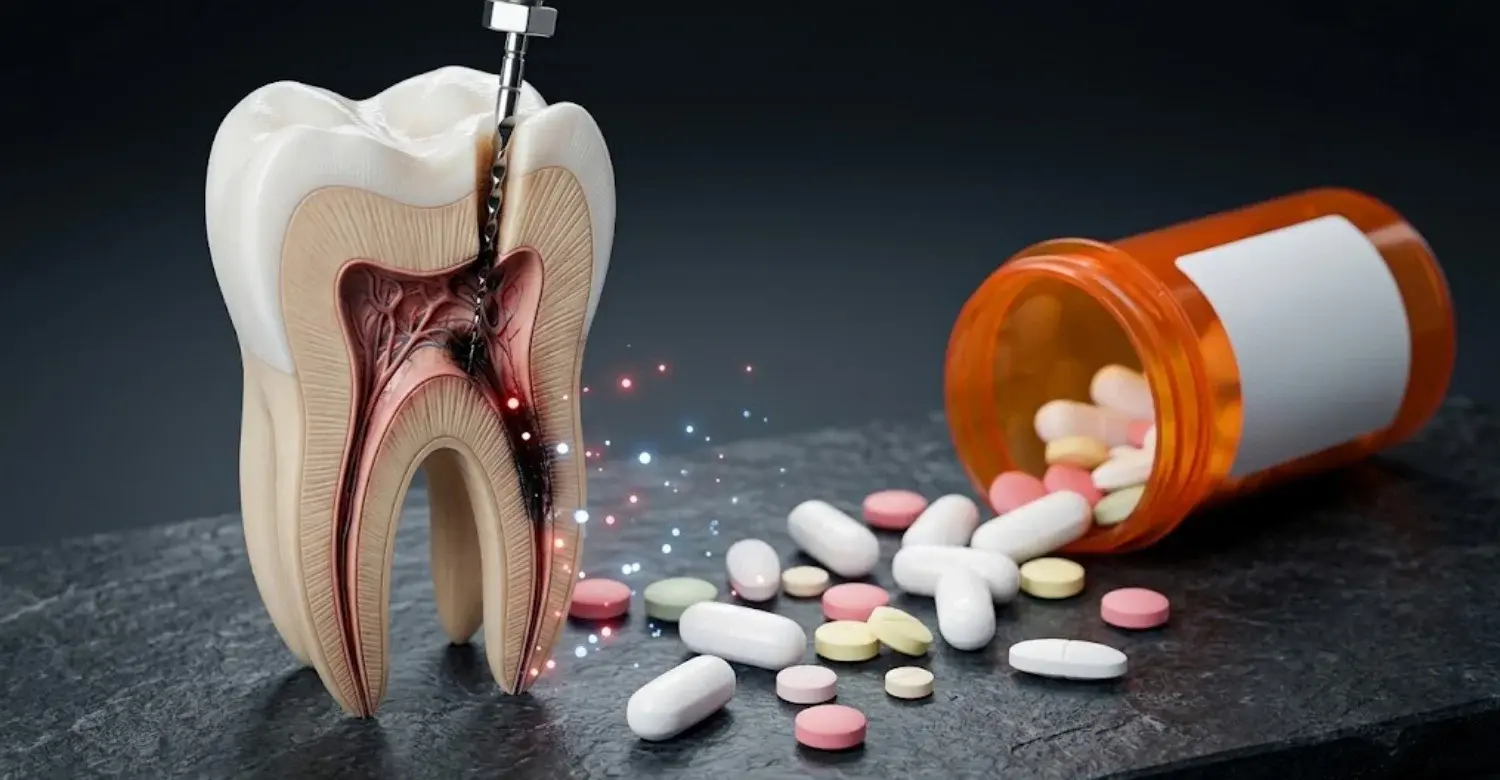
If there is infected tissue inside the canal, advanced decay or another focus that needs treatment, the complaints may come back once the antibiotics are stopped. For this reason, even if antibiotics have been prescribed, the main treatment planned by the dentist still needs to be completed.
Why Is Unnecessary Antibiotic Use a Problem?
Unnecessary or incorrect use of antibiotics contributes to bacteria developing resistance to these drugs over time. When antibiotic resistance develops, treating an infection that genuinely needs antibiotics later on can become more difficult.
Antibiotics can also have side effects on the stomach and intestines, cause allergic reactions and affect the body’s natural microbial balance. For this reason, reusing an antibiotic that was prescribed for another dental problem, taking someone else’s antibiotics or changing the way the dentist has told you to take them is not correct.
What Should You Pay Attention to When Taking Antibiotics?
When your dentist prescribes antibiotics, the duration, dose and dosing intervals should be followed as recommended. Patients should not change the treatment on their own when they feel better, or keep the medicine to use for a different infection.
If you have had an allergic reaction to antibiotics before, take regular medication or have a significant systemic illness, you should always share this information with your dentist.
How Do We Approach Dental Infections at Dentram?
At Dentram, for patients with toothache or an infection, the source of the problem is identified first. In addition to the clinical examination, digital radiography or three-dimensional imaging methods are used where necessary.
Whether the tooth can be saved, how far the infection has spread and the patient’s general health are evaluated together. While the necessary local treatments such as root canal treatment, surgical drainage or extraction are planned, antibiotic use is added to the treatment only when there is a clinical need for it. Using antibiotics for a long time without removing the cause is unnecessary and can harm the patient. For most patients, taking prophylactic antibiotics 1–2 hours before the procedure is sufficient.
The right approach to toothache is to find and treat the source of the problem rather than temporarily suppressing the symptoms. Antibiotics, on the other hand, are an important tool that supports treatment when used in the right patient at the right time.