The materials used in dental treatments have become much more varied in recent years. While materials containing metal used to be common in many fillings, crowns, bridges and implants, today metal-free options such as ceramics and composites can also be used in many treatments.
Along with these developments, the concept of “metal-free dentistry” is coming up more and more often. However, one important point needs to be made clear from the start: a metal-free material is not automatically better for every patient or every treatment simply because it contains no metal. The right material should be chosen according to the tooth being treated, chewing forces, aesthetic expectations, the gum structure and the patient’s general condition.
What Is Metal-Free Dentistry?
Metal-free dentistry refers to a treatment approach in which, in suitable cases, ceramic, composite or similar biocompatible materials are used instead of metal alloys.
This approach may be considered particularly for patients who want a look close to that of natural teeth, who prefer not to have metal in their mouth or who have a history of sensitivity to certain metals.
That said, the aim is not to remove all metals from the mouth unconditionally. Replacing an existing restoration that is working without problems simply because it contains metal may not always be necessary. First, the condition of the existing restoration, the surrounding teeth and gum tissue and the patient’s needs should be assessed.
Which Materials Are Used in Metal-Free Dental Treatments?
Today there are several metal-free materials that can be used for different treatments. Each has a different strength, translucency and area of use.
Zirconium (Zirconia)
Zirconia, commonly known as “zirconium”, is a durable ceramic material. Because it is tooth-coloured and can withstand high chewing forces, it can be widely used in crown and bridge treatments.
Different types of zirconia can be used, from cases with high aesthetic expectations in the front teeth to restorations that bear more force in the back teeth. However, not all zirconia materials have the same properties. While more translucent types offer aesthetic advantages, zirconias with a different structure may be preferred in areas that require higher mechanical strength.
Lithium Disilicate Ceramics
Lithium disilicate is one of the glass ceramics used in aesthetic restorations, especially where a natural tooth appearance is important.
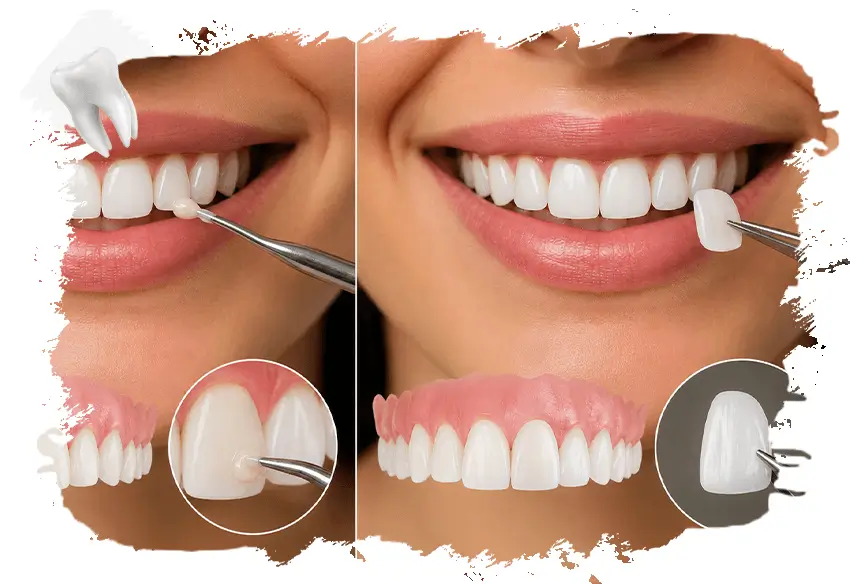
Because it lets light through in a similar way to a natural tooth, it can be considered for restorations such as porcelain veneers, crowns, inlays and onlays. However, the choice of material is not based on appearance alone. Since the needs of a back tooth subject to heavy chewing forces are not the same as those of a front tooth, which ceramic is used is decided individually.
Composite Materials
Tooth-coloured composites are among the most frequently used metal-free materials in everyday dentistry. White fillings and bonding can be carried out with composite materials.
They can be used in many procedures, such as repairing small chips, closing limited gaps between the teeth or rebuilding tooth tissue lost to decay. One of their most important advantages is that, in most cases, they can be applied while preserving as much natural tooth tissue as possible.
Ceramic Implants
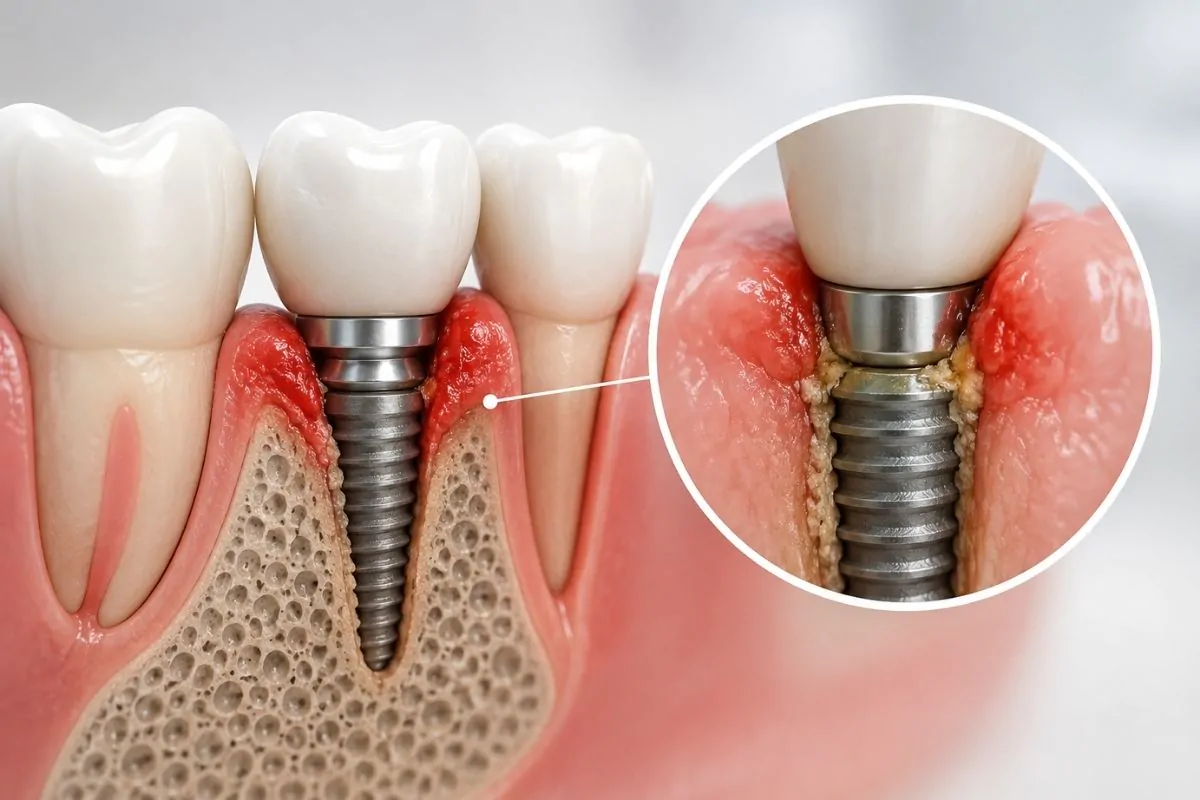
Titanium has been the most widely used material for dental implants for many years. In addition, today there are also zirconia-based, metal-free implant systems.
Zirconia implants may be considered as an alternative, particularly for patients who want metal-free treatment or in suitable cases in the front region where a grey shadow showing through the gum is undesirable.
However, it should not be forgotten that titanium implants have strong clinical data going back many years. For this reason, the question “metal or ceramic?” is not enough on its own when choosing an implant. The bone structure, the area where the implant will be placed, the prosthesis to be used, chewing forces and the patient’s expectations should be evaluated together.
How Is a Metal-Free Material Chosen?
Although aesthetic expectations are important when choosing a material for a restoration, they are not the only criterion.
For example, while natural translucency is more of a priority in the front teeth, the back teeth may need a material that can withstand strong chewing forces. The needs of a patient who clenches or grinds their teeth are also different from those of a patient without this habit.
The main points evaluated when choosing a material are:
- Whether the restoration is in the front or back of the mouth
- The amount of natural tooth tissue remaining
- The patient’s bite and chewing forces
- A clenching or grinding habit
- The gum structure and smile line
- Aesthetic expectations
- Existing restorations
- Any known material sensitivities of the patient
- Whether the treatment is an implant, crown, veneer or filling
For this reason, using the same material for every patient and every tooth is not the right approach.
“What Matters Is Not Being Metal-Free, but Using the Right Material in the Right Place”
Dentram co-founder and orthodontist Dr. Aylin Sezen Yalçın explains that material selection in metal-free dentistry should be personalised:
“We do not see metal-free dentistry as replacing all metal materials in every patient. For us, the basic criteria are biological compatibility together with functional and biomechanical requirements. The choice of material for a patient with high aesthetic needs in the front region may not be the same as for a patient whose back teeth carry strong chewing forces. When deciding between zirconia, different ceramics or composite materials, we evaluate together how much natural tooth tissue we can preserve, the load the restoration will carry and its harmony with the surrounding tissues. The right approach is to choose not the popular material, but the material that is right for the patient.”
Do Old Metal Restorations Need to Be Replaced?
Having old metal fillings or metal-supported crowns in the mouth does not mean that they must be removed. Replacement may be considered if there is decay under the restoration, if its marginal fit has deteriorated, if it has fractured, if it is affecting gum health or if the patient wants it changed for aesthetic reasons.
Metal-free dentistry is not limited to fillings and crowns. In implant treatment, ceramic implants, in other words zirconia implants, can also be considered as a metal-free alternative in suitable patients. Zirconia is a biocompatible, tissue-friendly and tooth-coloured material. Especially in areas with high aesthetic expectations, preventing the colour of metal from showing through the gum can be an important advantage. However, a ceramic implant may not be suitable for every patient; the implant material should be chosen by evaluating the bone structure, the treatment area, chewing forces and the patient’s needs together.
In particular, if the removal of amalgam fillings is planned, the procedure should be carried out under controlled conditions. Avoiding the unnecessary loss of healthy tooth tissue is also an important part of the treatment decision.
How Are Metal-Free Treatments Planned at Dentram?
At Dentram, the choice of material is not based on aesthetic expectations alone. The current structure of the tooth, gum health, the jawbone, the bite relationship and the patient’s overall treatment plan are evaluated together.
Thanks to digital intraoral scans and CAD/CAM technologies, porcelain veneers, zirconia crowns, inlays and onlays and implant-supported restorations can be custom designed. In implant treatments, after the necessary clinical and radiological assessments, titanium or zirconia options are considered on a case-by-case basis.
Metal-free dentistry can offer important aesthetic and biological options when the right material is used for the right patient. However, a successful treatment is based not on the name of the material but on the right diagnosis, the right indication and personalised planning. To find out which material is right for you, you can arrange a comprehensive assessment with Dentram’s specialist dentists.