The passage of many years since tooth loss, severe periodontal diseases, the use of removable dentures, or the natural aging process lead to irreversible resorption of the upper jawbone. The success of traditional dental implant treatments depends directly on the volume and density of the jawbone into which the implant is to be placed.
However, in cases of advanced atrophy where the bone volume in the upper jaw has diminished to the point of being unable to support standard implants, and where even bone powder procedures such as sinus floor elevation (sinus lifting) prove insufficient, modern jaw surgery offers an extremely reliable and biomechanical alternative: the cheekbone implant, also known as the zygoma implant!
What Is a Cheekbone Dental Implant and How Does It Work?
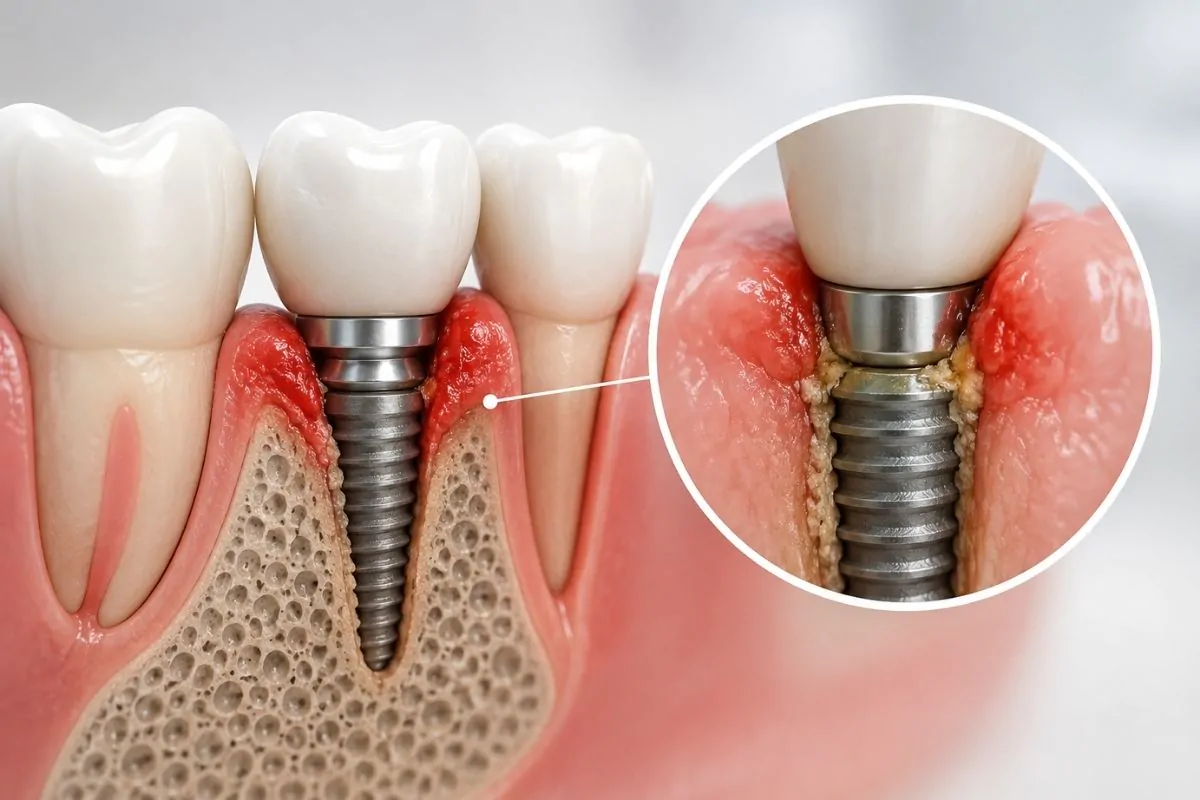
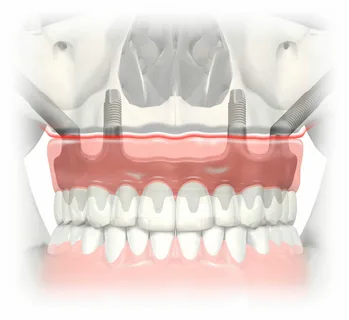
Standard dental implants are generally 8 to 13 millimeters in length and are placed directly into the alveolar jawbone where the teeth are located, that is, the specially curved portion of the lower and upper jawbones that surrounds and supports the teeth and forms the tooth sockets. In cases where the jawbone has completely resorbed, an implant cannot be placed into this insufficient area within the mouth; instead, the implants are fixed directly to the cheekbone, one of the hardest and densest bones of the facial anatomy.
These advanced surgical implants, specially designed and ranging from 40 to 60 millimeters in length, provide an unshakable engineering foundation capable of withstanding chewing forces smoothly for many years.
Biomechanical Advantages and Surgical Comfort
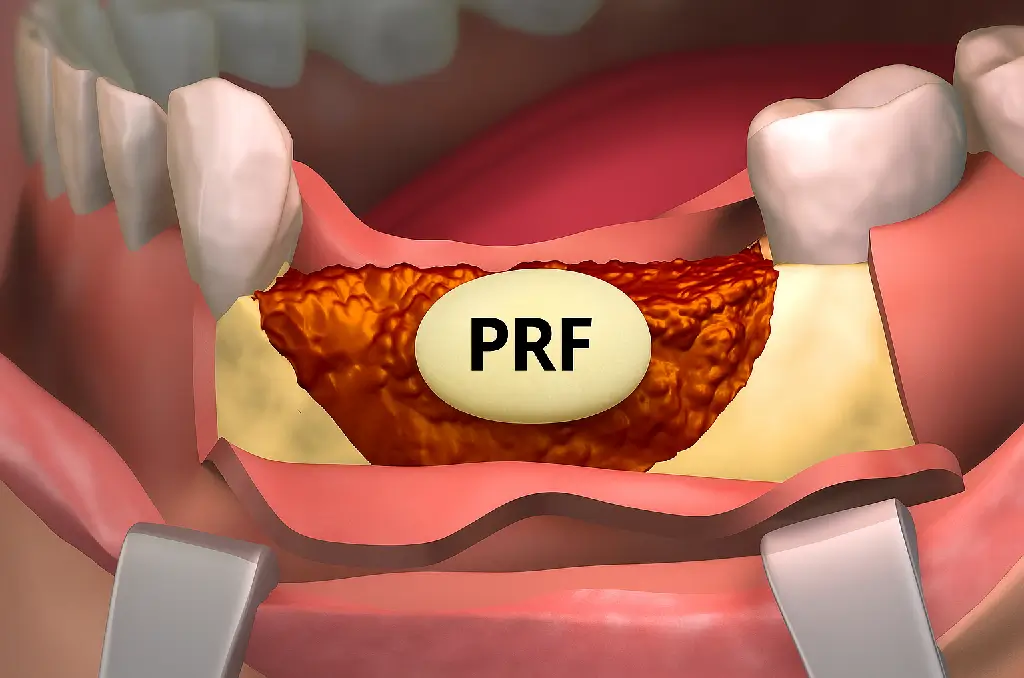
In past years, the only option for patients with advanced bone resorption in the upper jaw was to take large blocks of bone from the hip bone and transplant them to the jaw. This method both created a second heavy surgical wound site in the patient and extended the healing process up to a year.
Prof. Dr. Serhat Yalçın, Oral, Dental and Maxillofacial Surgery Specialist and one of the founders of Dentram, expresses the clinical and rational advantages of cheekbone implants as follows:
“In cases of serious bone insufficiency in the upper jaw, protecting the patient from a second surgical trauma with high morbidity—such as harvesting a graft from the hip bone—is our primary priority. Cheekbone dental implant applications are, at this point, the most rational solution that science offers us. The cheekbone, which anatomically has an extremely resorption-resistant and hard structure, provides excellent primary stability, that is, initial anchorage, for the implant. In this way, instead of waiting months for bone formation, in suitable cases we can attach the patient’s fixed temporary prosthesis on the same day as the operation, rapidly achieving functional and aesthetic rehabilitation.”
In Which Cases Is the Zygoma Implant Preferred?
The cheekbone implant is not a standard procedure applied to every patient; it is an advanced surgical procedure with specific indications determined as a result of detailed radiological analyses. The main clinical presentations in which this method is preferred at Dentram clinics are as follows:
- Patients with advanced bone resorption in the upper jaw to a degree that does not permit standard implant or bone powder (graft/sinus lifting) applications.
- Individuals who have previously undergone a failed bone graft or sinus lifting operation.
- Patients who have lost part of the upper jawbone due to a tumor, cyst resection, or trauma.
- Cases in which the upper jawbone has completely flattened due to advanced age or long-term use of a full denture.
Of course, the decision as to whether patients are suitable for this treatment is made following a comprehensive evaluation carried out by specialist physicians.
Diagnosis and Treatment Process at Dentram Dental Clinic
Zygoma implant applications require extremely precise planning and high surgical expertise. The treatment process proceeds through scientific steps that leave no room for chance:
1. Digital Planning (CBCT)
A 3D Dental Volumetric Tomography (CBCT) of the patient is taken, and the structure of the cheekbone, the sinus cavities, and the nerve pathways are examined to the millimeter in a digital environment. The route and angle of the implant are determined virtually.
2. Surgical Approach (Sedation/General Anesthesia)
In order to maximize the patient’s comfort and the safety of the operation, these procedures are generally performed under sedation or general anesthesia, in fully equipped surgical conditions, under the supervision of specialist anesthesiologists.
3. Quad Zygoma Concept
In extreme cases where no bone remains even in the anterior region of the upper jaw, the “Quad Zygoma” (Quadruple Zygoma) technique is applied. Two implants are placed into each of the two cheekbones, for a total of four implants, and the entire jaw prosthesis is fixed onto this solid foundation. If there is enough bone at the front of the patient’s jaw to place a dental implant, a fixed prosthesis can be made by placing 2 Zygoma and 2 dental implants in the patient.
Dentram Dental Clinic: Consult Our Expert Team for Advanced Surgery
In the light of scientific and technological advances, jawbone resorption is no longer an obstacle to obtaining fixed and natural teeth. As Dentram, with our long-standing experience in the field of Oral, Dental and Maxillofacial Surgery and our multidisciplinary clinical approach, we produce reliable solutions even in the most complex cases of bone insufficiency. You can contact our clinic to evaluate the suitability of zygoma implant treatment for your case and to schedule your 3D digital analysis appointment.