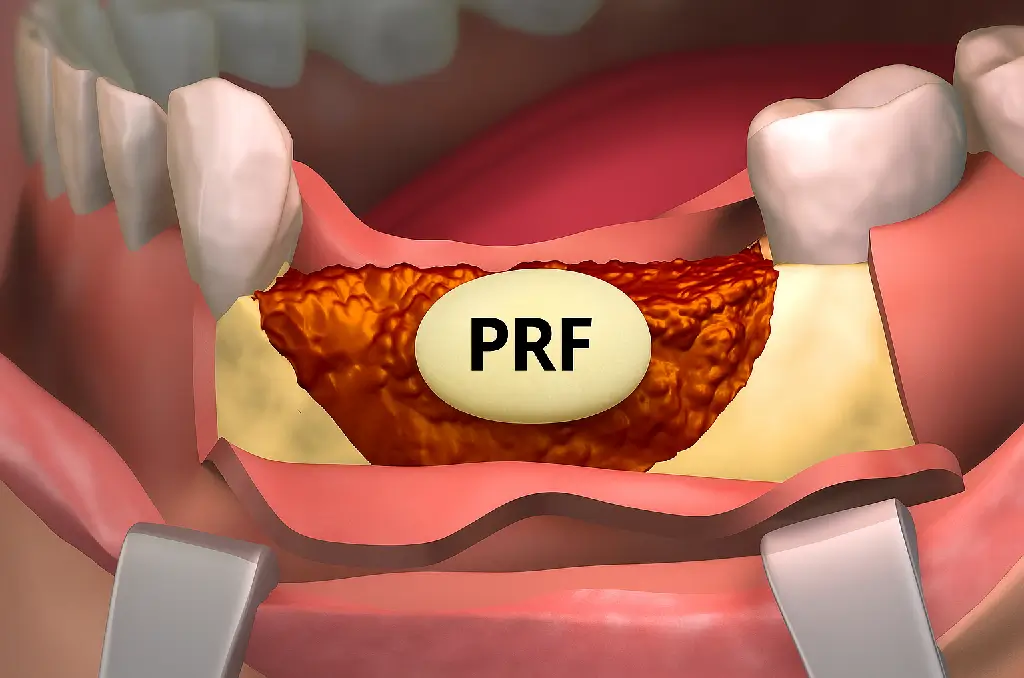
Hearing that a large number of bacteria live in our mouths may feel unsettling at first. Yet the oral cavity is naturally a rich ecosystem in which bacteria, fungi, viruses and other microorganisms live together. Not all of these microorganisms are harmful. On the contrary, in a healthy mouth different microorganisms exist in a certain balance, and this balance helps to protect oral health.
This community of microorganisms living in the mouth is called the oral microbiome. Problems arise not so much from the presence of bacteria as from a disruption of this natural balance. Bacterial plaque left uncleaned for long periods, gum disease, smoking, dry mouth or certain general health problems can change the environment in the mouth. This change can pave the way for disease-associated microorganisms to multiply and for inflammation to develop in the gum tissues.
Why Is the Oral Microbiome Important? What Does the Oral Microbiome Do?
The oral microbiome is not a fixed structure. The foods we eat, the amount of saliva, oral hygiene, medications, smoking and general health can all affect this ecosystem.
Under healthy conditions, the microorganisms in the mouth live in balance with each other and with our body. However, when this balance is disrupted, in other words when a condition called dysbiosis develops, a favourable environment for tooth decay and gum disease can form.
For this reason, the aim of oral health is not to rid the mouth of all microorganisms. This is neither possible nor necessary. The real aim is to help preserve the natural balance in the mouth by keeping the bacterial plaque that can cause disease under control.
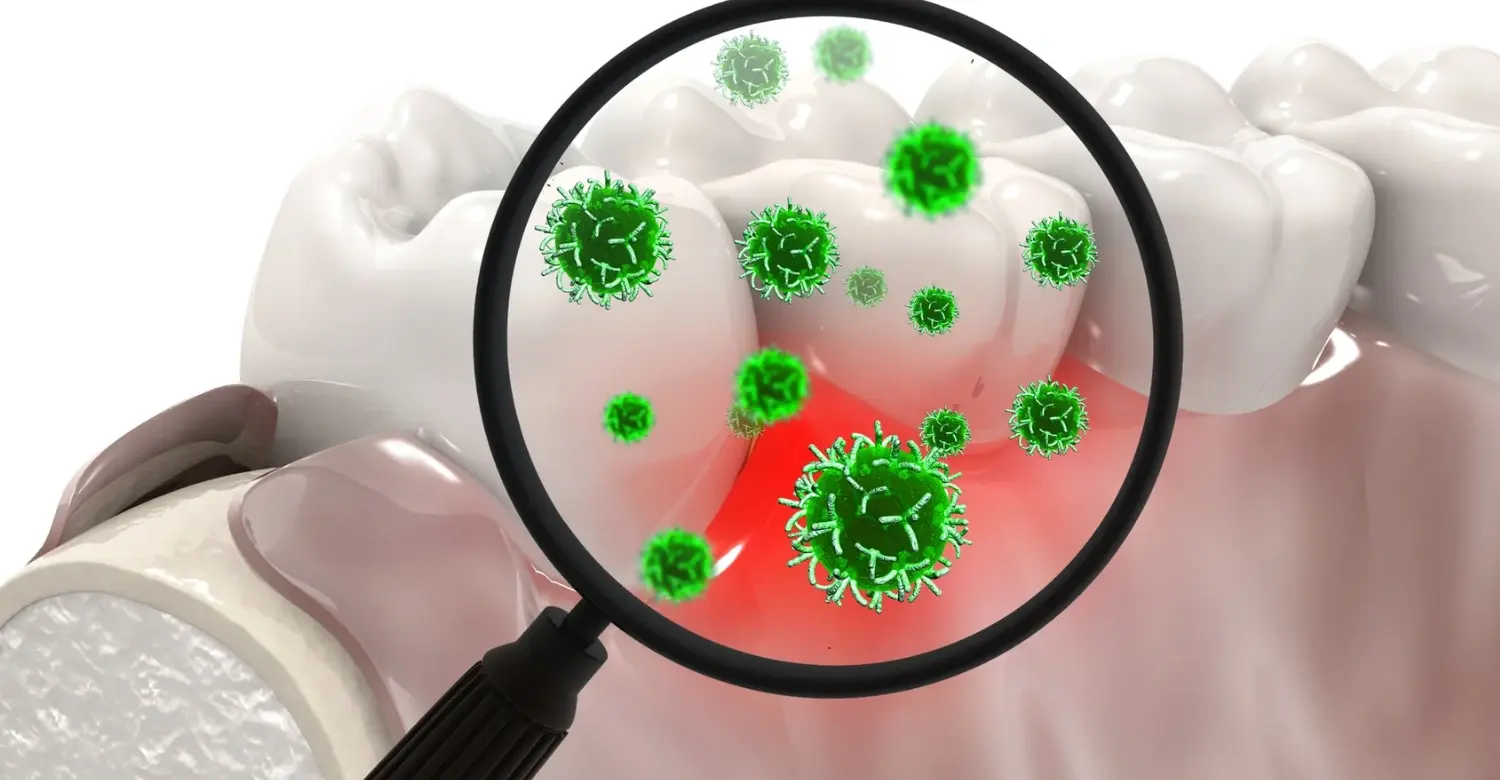
What Is the Relationship Between the Oral Microbiome and Gum Disease?
When the bacterial plaque that regularly builds up on the teeth is not cleaned, redness, swelling and bleeding of the gums may appear first. This initial stage is called gingivitis.
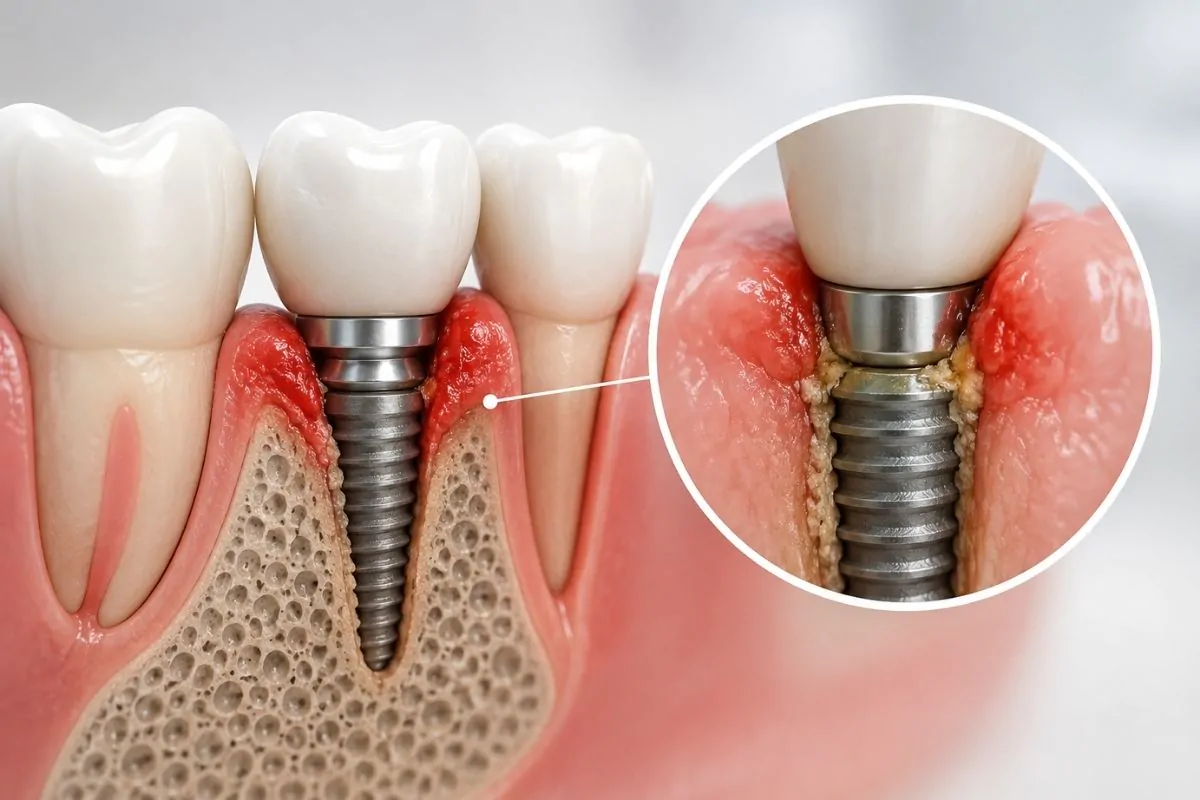
If the inflammation progresses, the bone and connective tissues that support the teeth can also be affected. In this case, periodontitis, or advanced gum disease, develops. Periodontitis is not a simple infection caused by one particular “bad bacterium”. It is a more complex process in which the microbial balance in the mouth changes together with the response of the immune system.
For this reason, bleeding gums should not be considered normal. In particular, regularly recurring bleeding, gum recession, bad breath, loose teeth or new gaps forming between the teeth may require a periodontal assessment.
“The Aim Is Not to Eliminate Bacteria, but to Preserve the Balance”
Dentram co-founder and orthodontist Dr. Aylin Sezen Yalçın explains the importance of balance when assessing the oral microbiome:
“We should not think of the oral cavity as an environment that needs to be completely rid of bacteria. A healthy mouth also contains a large number of microorganisms. What matters to us is preserving the biological balance between these microorganisms and the oral tissues. In gum disease this balance is disrupted, and the inflammatory response produced by the body also becomes part of the tissue loss. That is why, in treatment, we focus not only on reducing bacteria but on achieving plaque control, restoring the gum tissues to health and managing the personal risk factors that contribute to the disease.”
Does Oral Health Affect General Health?
The mouth is not a system independent of the rest of the body. In particular, the relationship between advanced gum disease and certain general health problems has been researched for a long time.
One of the strongest examples of this relationship is between diabetes and periodontitis. There is a two-way relationship between the two diseases. Uncontrolled diabetes can make it easier for gum disease to develop and progress. Advanced gum disease can, in turn, negatively affect blood sugar control. For this reason, regular periodontal follow-up in diabetic patients is also an important part of managing their general health.
A scientifically demonstrated association also exists between periodontitis and cardiovascular disease. In advanced gum inflammation, bacteria and certain inflammation-related molecules can enter the bloodstream. However, it is not correct to draw the definitive conclusion that “gum disease directly causes heart disease”. Both diseases can also be influenced by shared risk factors such as smoking, age, diet and metabolic condition.
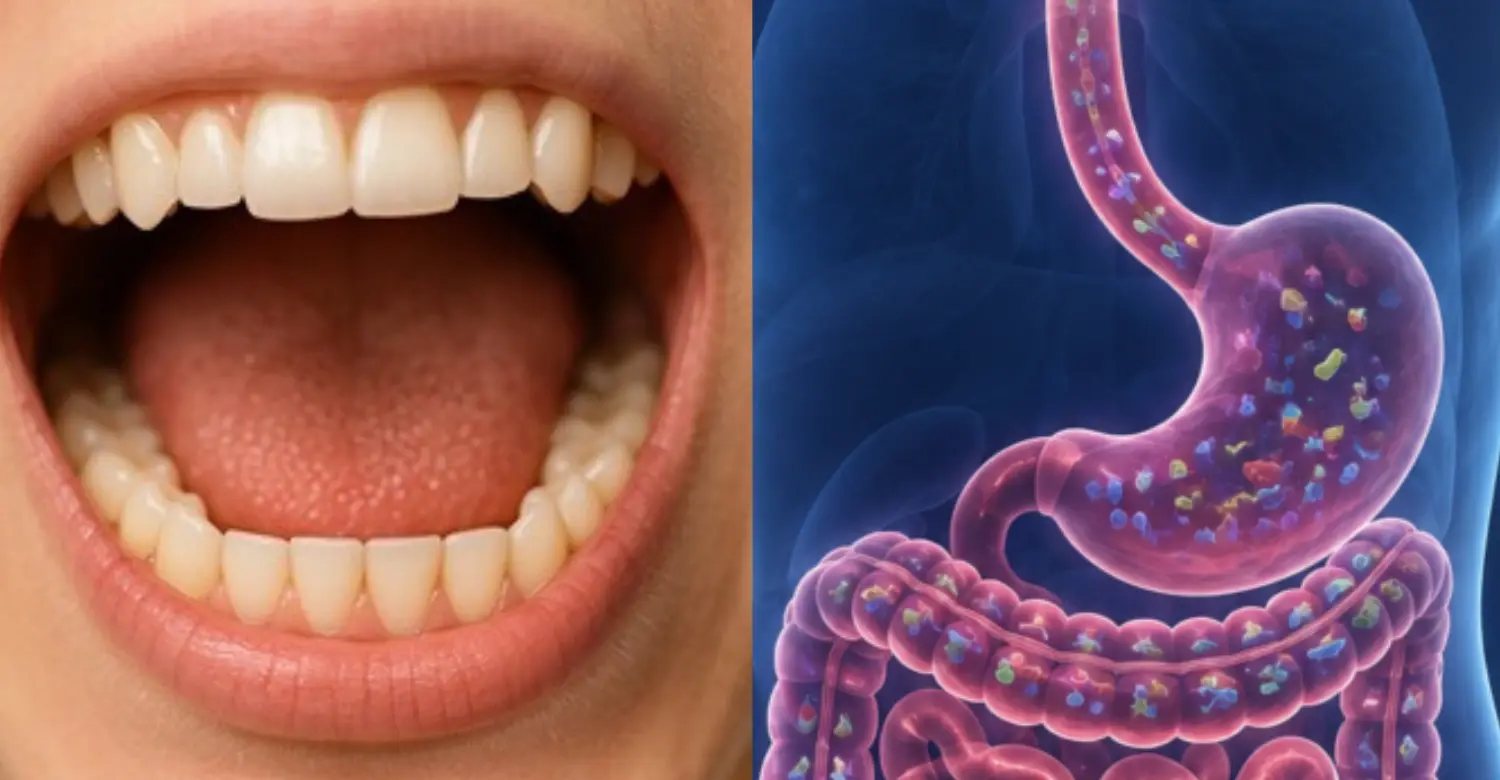
Links between the oral microbiome and different areas such as gut health, the respiratory system and pregnancy are also being researched. However, because studies in these areas are ongoing, not every association found should be interpreted as a direct cause-and-effect relationship.
How Can the Balance of the Oral Microbiome Be Preserved?
To protect the oral microbiome, basic oral care needs to be done correctly before turning to special products or complex practices.
Brushing the teeth regularly, cleaning between the teeth with dental floss or interdental brushes and not skipping professional dental check-ups are the basic steps in controlling bacterial plaque. Quitting smoking, limiting sugar intake and maintaining sufficient saliva flow also help keep the oral environment healthy.
In recent years, probiotics and various products aimed at changing the oral microbiome have come to the fore. However, these products do not replace tooth brushing, professional cleaning or the treatment of gum disease. Their use should be evaluated on an individual basis.
How Is Oral Health Assessed Holistically at Dentram?
When assessing oral and dental health at Dentram, not just a single tooth or the current complaint is considered; the gum tissues, oral hygiene, bone levels, existing restorations and the patient’s general health are all addressed together.
If there are symptoms such as bleeding gums, persistent bad breath, gum recession or loose teeth, the extent of the disease is determined with a periodontal examination. Where necessary, radiological assessments are used to create a personalised treatment and follow-up programme.
A healthy balance of the oral microbiome is closely linked to many factors, from daily oral care to gum health. Regular dental check-ups and early intervention help not only to protect the teeth but also to maintain a healthy oral environment in the long term.