The zirconia/ceramic implants used in dental implant treatment have become increasingly popular in recent years thanks to their aesthetics, biocompatibility and metal-free structure. However, the success of an implant depends not only on the surgery but directly on the aftercare process as well. With the right care habits, zirconia/ceramic implants can be used healthily for many years, which is why ceramic implant aftercare deserves as much attention as the treatment itself.
At Dentram, we do not treat implant therapy as a one-step procedure, but as a holistic treatment that includes post-surgical care and regular follow-up.
Prof. Dr. Serhat Yalçın: “The success of zirconia and ceramic implants depends on their biological advantages being supported by the right care habits. Patient compliance is the key to long-term stability.”
What to Watch Out for in the First 24–72 Hours After an Implant
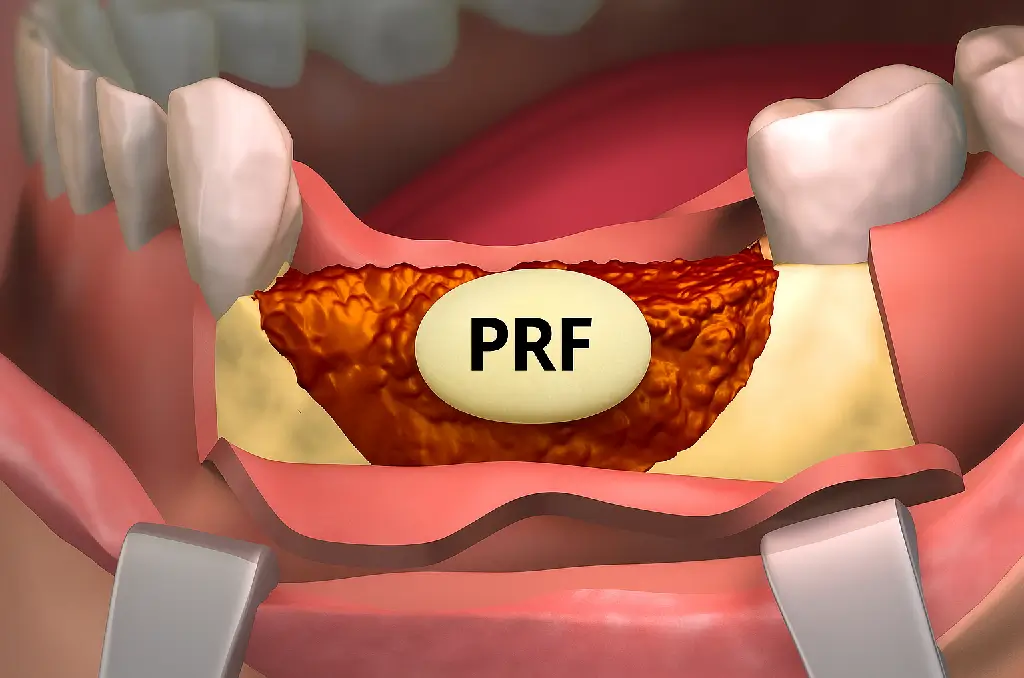
Mild pain, swelling and minimal bleeding in the first few days are considered normal. These symptoms are part of the body’s natural healing process and usually subside quickly. If complaints persist or get worse, however, you should always see your dentist. It is very important that patients are not left on their own after implant surgery and that the process is supported with check-ups.
- In the first 24 hours, the implant area should be brushed with a soft brush or, depending on the situation, not brushed at all; spitting and vigorous rinsing should be avoided. Gentle cleaning should be carried out as recommended by your dentist.
- In the first few days, soft, lukewarm foods that are easy to chew should be preferred. Hard, hot or spicy foods can irritate the implant area.
Daily Oral Care After an Implant
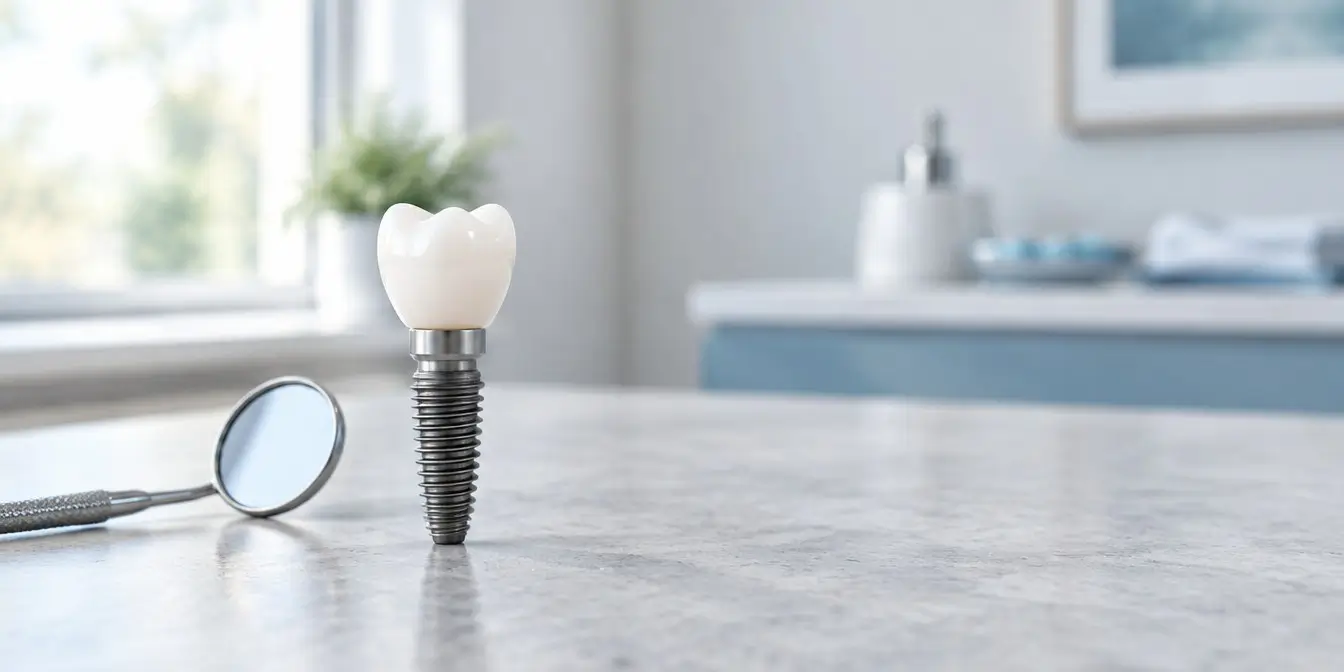
As Dentram co-founder Prof. Dr. Serhat Yalçın points out, the health of the tissues around an implant is protected by regular and correct oral care habits. Just like natural teeth, implants need daily care.
- Once the healing process is complete, areas with implants should be cleaned at least twice a day with a soft-bristled toothbrush. Hard brushes can damage the gum tissue.
- Implant-friendly dental floss and interdental brushes should be used to prevent plaque from building up around the implant. This cleaning is critical for preventing peri-implant diseases.
- Alcohol-free mouthwashes help protect the tissues around the implant. For long-term use, your dentist’s advice should always be followed.
How the Implant Fuses with the Bone (Osseointegration)
The process by which zirconia/ceramic implants fuse with the bone usually takes 2–3 months. This period may vary depending on the patient’s bone structure, general health and care habits. Smoking, excessive alcohol consumption and loading the implant too early can negatively affect osseointegration. Vitamin D levels are also important, and in these patients serum vitamin D levels are preferably close to the upper limits.
At Dentram, the information we give patients and the close follow-up we provide during osseointegration have a direct impact on the success of the implant.
Habits That Can Shorten the Life of a Zirconia/Ceramic Implant
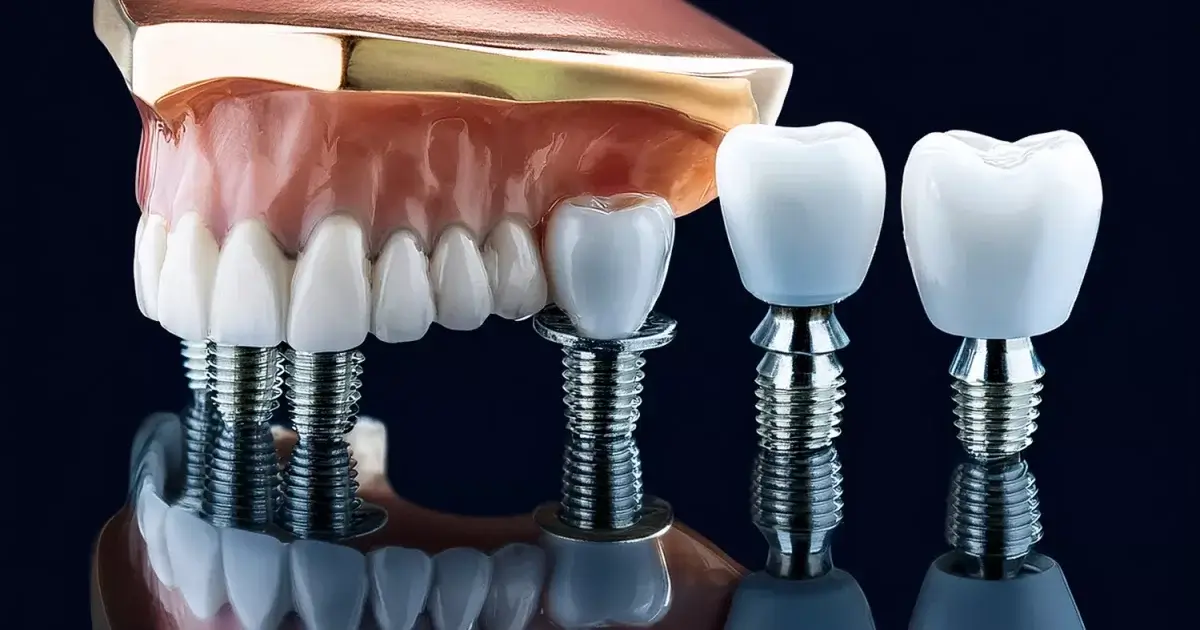
The following habits can shorten the lifespan of zirconia/ceramic implants:
- Smoking reduces blood circulation in the tissues around the implant, delaying healing and increasing the risk of infection.
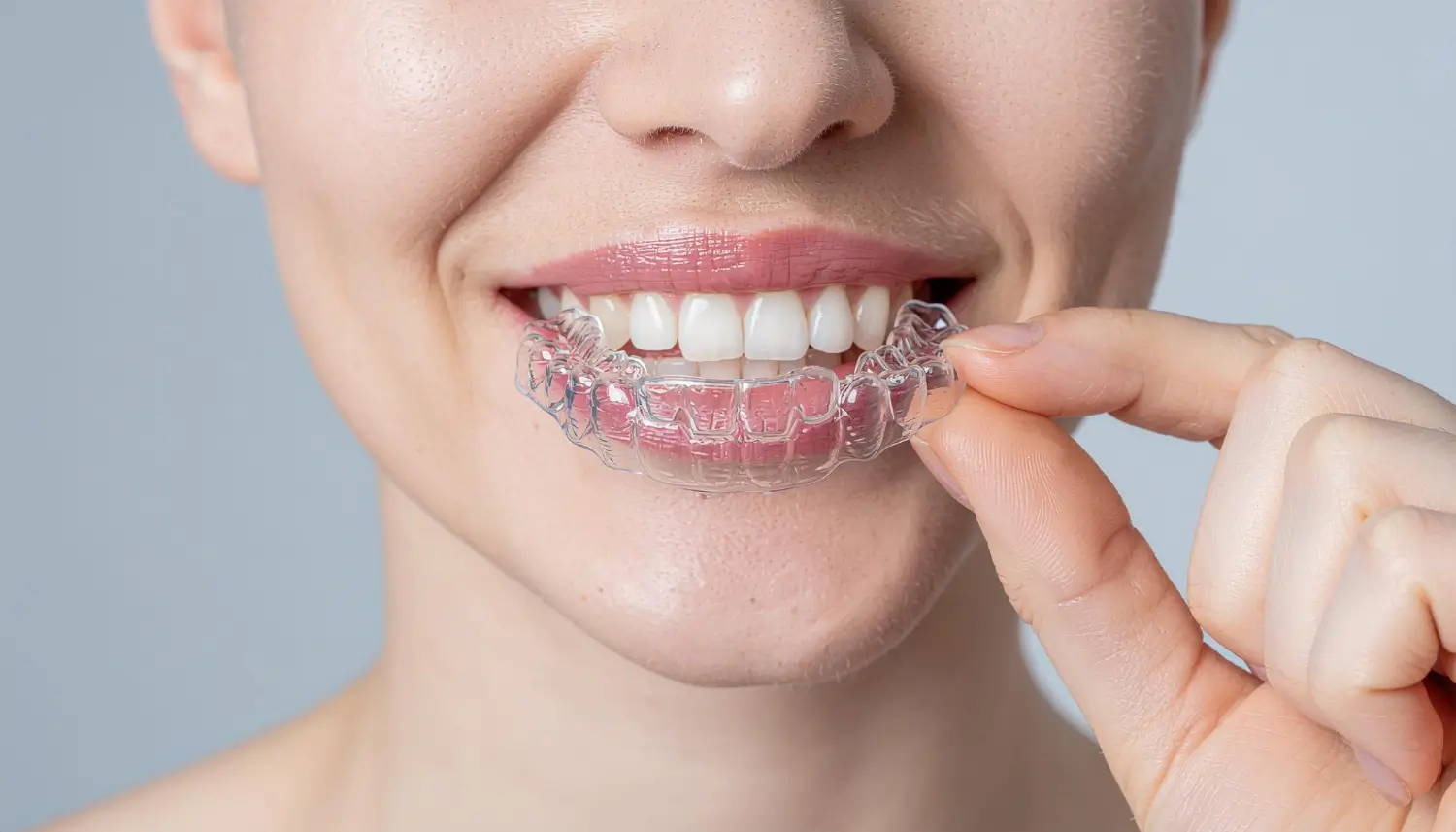
- Clenching and grinding the teeth (bruxism) can place excessive force on zirconia implants. A night guard may be recommended when necessary.
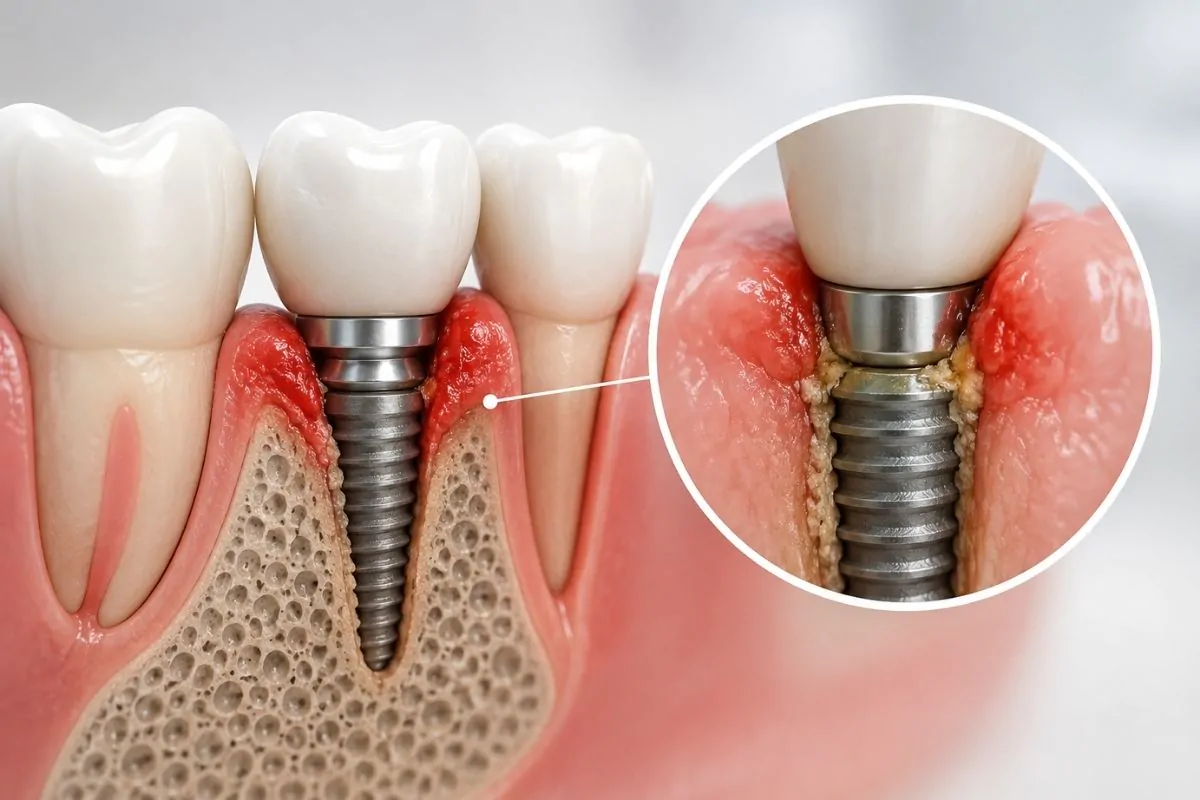
- Peri-implantitis can develop around implants that are not cleaned regularly, and this can progress to the point of implant loss.
Why Are Regular Dental Check-ups at Dentram Important?
Dental check-ups are generally recommended every 3–6 months in the first year and at least once a year after that. At check-ups, gum health and implant stability are assessed, with radiographic examinations if necessary. Not neglecting daily oral care, not biting hard objects, avoiding smoking and not skipping regular dental check-ups should be priorities for patients who have had zirconia implants.
In zirconia and ceramic implant treatments, correct care and professional follow-up allow the implants to be used safely for many years. Dentram sees every implant treatment as a long-term investment in health and follows its patients closely after treatment as well.
Prof. Dr. Serhat Yalçın: “Implant success should be evaluated as a triangle of correct planning, correct application and correct care. When this integrity is achieved, long-lasting results are inevitable.”