Modern medicine and dentistry have moved away from the notion of merely repairing oral tissues mechanically and evolved toward the principles of holistic dentistry, which recognize that oral health functions in an integrated manner with the entire body system. The biological dentistry approach we have adopted at Dentram reveals that the success of dental treatments is directly related to the patient’s cellular health, immune system, and micronutrient (vitamin/mineral) reserves.
One of the most critical players in this cellular metabolism is vitamin D, which is not merely a vitamin but also a pro-hormone that governs the bone and immune systems.
Bone Metabolism and the Biological Function of Vitamin D
In dentistry, whether it is a tooth extraction, an orthodontic tooth movement, or an implant placed into the jawbone, all of these processes rely on the activity of osteoblasts (bone-forming cells) and osteoclasts (bone-resorbing cells). Even when there is sufficient calcium in the body, the fundamental mechanism that enables this calcium to be absorbed from the intestines into the bloodstream and transported to the bone tissue is vitamin D.
Vitamin D, especially when it works together with vitamin K2, directs the calcium in the blood straight to the bones and teeth, thereby initiating osseointegration (the process of fusion to the bone) in the jawbone. At the cellular level, vitamin D deficiency (a low 25-OH vitamin D level) paves the way for poor healing in the jawbone, gum diseases, and surgical complications.
The Rational Effect of Vitamins in Advanced Surgery and Implantology
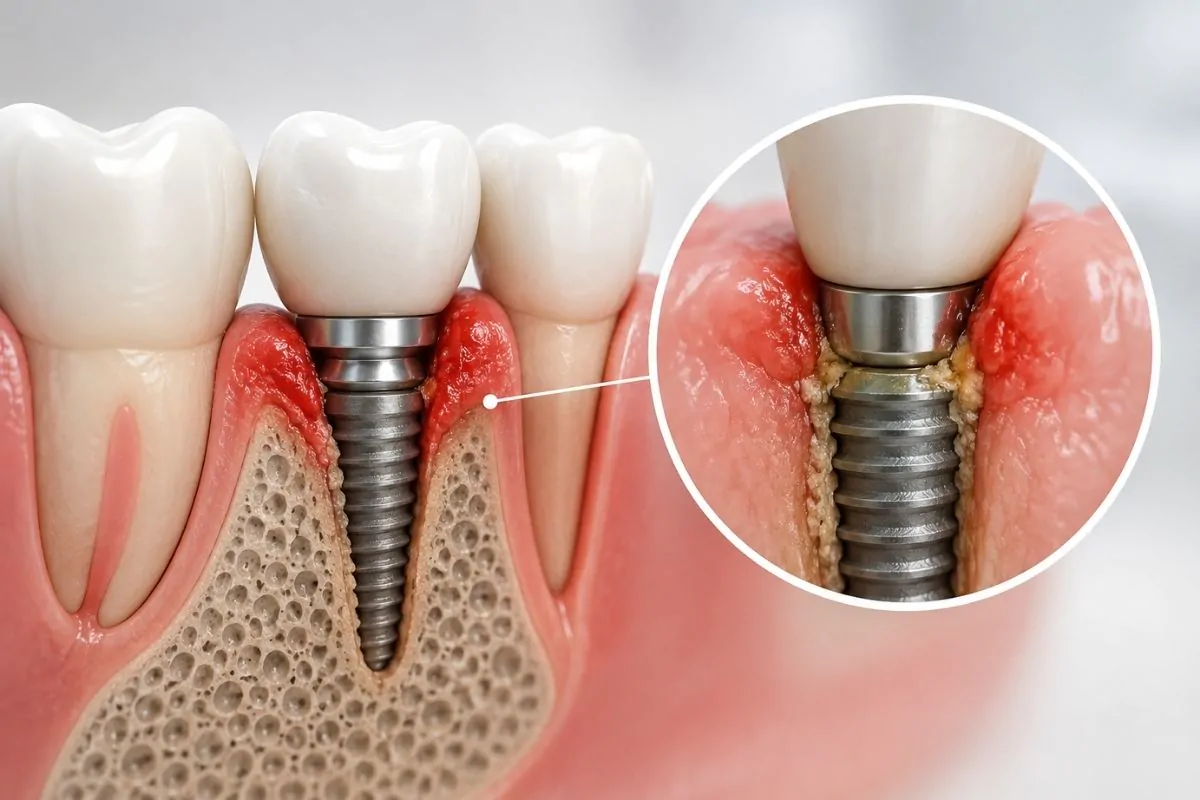
In the rehabilitation of missing teeth, cellular harmony must be maintained at the highest level. At this point, metal-free zirconium implant applications come to the fore with their biocompatible and tissue-friendly structures. However, no matter how flawless the material used may be, in order for the jawbone to accept this structure and weave healthy bone tissue around it, the vitamin D reserves must be full.
This situation is far more pronounced, particularly in complex cases with bone insufficiency. Oral and Maxillofacial Surgery Specialist Prof. Dr. Serhat Yalçın explains the role of cellular nutrition and vitamins in surgical applications with the following scientific data:
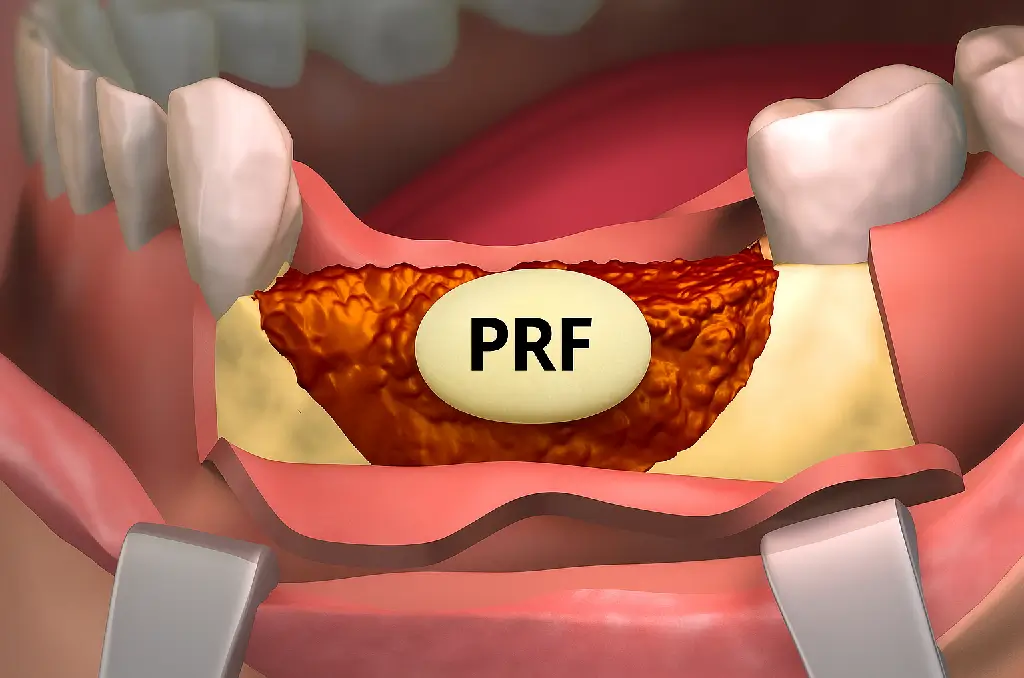
“A successful surgery is not merely the placement of the right implant at the right angle; it is the support of the biological construction process that the organism initiates in that area. In the advanced surgical operations we perform on cases with severe bone loss in the upper jaw, wound healing and bone formation are extremely critical. Whether it is a routine procedure in cases of complete edentulism or a surgery involving advanced bone grafting, the patient’s pre-operative vitamin D, K2, and C levels being at an optimum directly determine the clinical success and long-term lifespan of the treatment.”

The Effect of Vitamin D in Orthodontic Treatments
The role of vitamins in dentistry is not limited to surgery alone. Orthodontic treatments are, in essence, a process of controlled inflammation and bone remodeling created within the jawbone. While the bone in the direction the tooth will move is resorbed, new bone is synthesized in the space left behind it. This dynamic process is in dire need of optimum vitamin D levels.
Orthodontics Specialist Dr. Aylin Sezen Yalçın emphasizes the relationship between digital orthodontics and bone metabolism as follows:
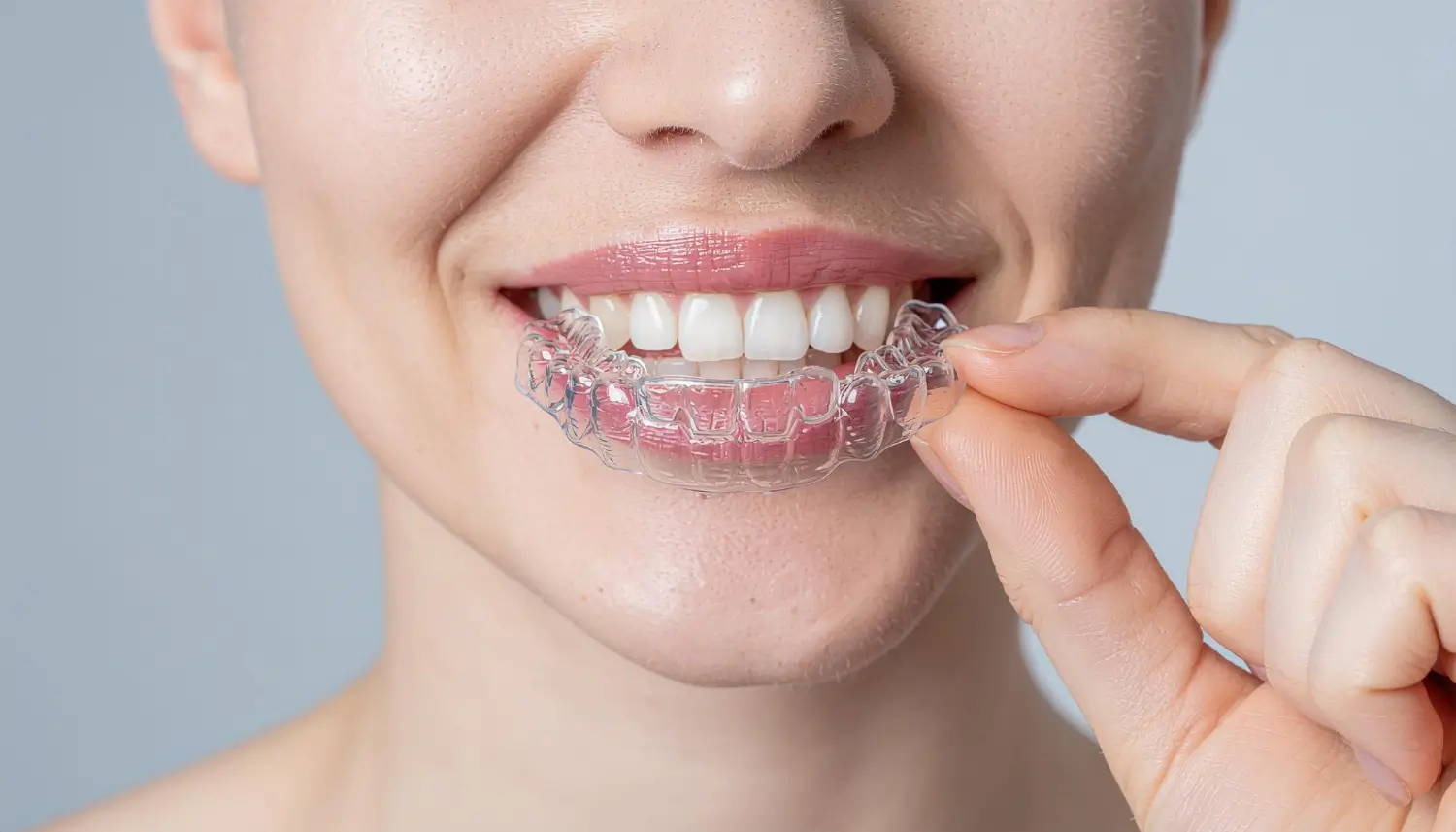
“Today, with the advantages offered by digital planning, we calculate tooth movements at the micron level using clear aligner technology. However, whether this rational planning takes place in the patient’s mouth at the same speed and accuracy depends on the rate of bone metabolism. In individuals with vitamin D deficiency, because the bone resorption and formation cycle slows down, the duration of orthodontic treatments can lengthen and it becomes more difficult for the teeth to reach their targeted positions. Healthy micronutrient reserves are the most important biological factor that increases predictability in treatments.”
Critical Micronutrients That Support Treatment
For the preservation of systemic and oral health, vitamin D alone is not sufficient; a biological balance is required:
- Vitamin D3 and K2 Synergy: While vitamin D3 ensures the absorption of calcium, vitamin K2 prevents this calcium from accumulating on the vessel walls, ensuring it is directed straight to the jawbone.
- Vitamin C: It is essential for the synthesis of collagen, the fundamental building block of connective tissue and the gums. For the wound area to close rapidly after surgery, vitamin C reserves must be high.
- Magnesium: Magnesium is needed for vitamin D to be converted into its active form in the liver and kidneys. In the case of magnesium deficiency, the vitamin D supplements taken may remain functionless at the cellular level.
Our Clinical Approach at Dentram
Infections in the jawbone, non-healing wound areas, or implant losses are not coincidences; they are frequently the result of a deficiency in the organism’s cellular repair capacity. At Dentram, in line with the principles we have adopted, we evaluate our patients as a whole — not only through intraoral findings but also through their dietary habits, vitamin-mineral balances, and general health profiles.
By activating cellular support protocols when deemed necessary before major surgical procedures or comprehensive orthodontic treatments, we ensure that our treatments conclude flawlessly, both biomechanically and biologically.