Differences Between Clear Aligner Orthodontics and Metal Braces
In the modern world of orthodontics, aesthetic and comfort factors have gained great importance. Especially invisible, that is, clear aligners, are among the most effective solutions that promise comfort and aesthetics. So, does this innovative method offer the same result for every case? Or can clear aligner treatments, also called Invisalign, really replace traditional metal braces methods? Understanding the differences between these two different approaches in orthodontics is the first step in choosing the right treatment method.
What are Clear Aligners and Metal Braces?
Clear aligners are removable plastic aligners produced after patient-specific digital scanning and planning. These aligners gradually move the teeth without the use of fixed brackets or wires. Clear aligner treatments create an alternative to visible metal systems for patients with aesthetic concerns.
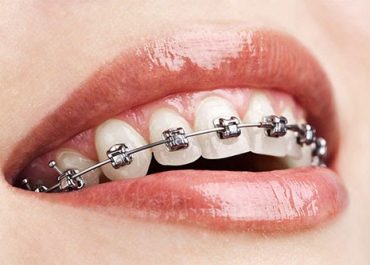
The metal braces system is a classic method that ensures the teeth are moved to the desired position by attaching brackets to the teeth and connecting these brackets with an arch wire (a type of metal wire). It is a method that has been used safely for many years in advanced cases and complex jaw problems or dental issues.
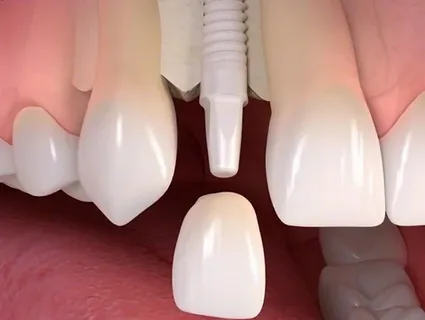
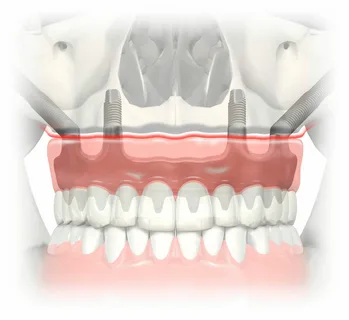
In patients who want to maintain aesthetic integrity, the use of zirconium implants for missing teeth after orthodontic treatment is also quite common. This material, with both its durability and natural tooth appearance, complements the aesthetic line of clear aligner treatment.

What are the Differences Between Clear Aligners and Metal Braces?
Clear aligners are almost invisible and can be removed when necessary. Metal brackets or wires, on the other hand, are much more visible compared to clear aligners. So it can be said that clear aligners have a more aesthetic appearance. Other prominent differences are as follows:
- Since clear aligners can be removed, brushing teeth or using dental floss is easy. With metal brackets, however, it is difficult to clean between the wires. Especially the risk of food accumulation increases.
- Clear aligners have a low risk of causing wounds or pricking on the cheek or lip; they can be removed during eating and drinking. Brackets and wires, on the other hand, are felt in the mouth, so it is necessary to avoid consuming some foods.
- Although the treatment time for clear aligners varies according to the case, it is on average between 6-18 months. Metal braces usage, on the other hand, generally lasts 12-24 months and sometimes even longer.
- Clear aligners are generally more costly. Metal braces, on the other hand, are a relatively more economical method.
- Clear aligners need to be worn 20 hours a day.
The decision on which method to use is made based on both the dentist’s recommendations and the patient’s demands.
Which Method Should Be Used in Which Cases?
If you value aesthetic appearance in your social or work life, the clear aligner method may be a much better choice. However, in order for this method to be applied, the tooth and jaw structure must be suitable. In cases of very severe crowding, serious jaw structure disorders, or complex cases, metal braces treatment is still a strong alternative. If treatment cost is a priority for you, the metal braces method may be more suitable in terms of budget.
Dentram for Clear Aligner and Metal Braces Treatments Suitable for Your Jaw and Tooth Structure!
Orthodontic treatment selection is personal. Factors such as aesthetics, comfort, cost, and treatment duration must be evaluated together. If you do not want to use a visible wire and your tooth and jaw structure is suitable for it, clear aligners can become a strong alternative. On the other hand, the metal braces method also maintains its effectiveness in more difficult cases. Before starting treatment, you can consult Dentram Orthodontic Specialist Dr. Aylin Yalçın and plan your treatment process.