Aesthetic Dentistry: What is Smile Design?
Smile design is an aesthetic dentistry application that aims to create both a natural and functional smile by taking into account the person’s facial structure, dental aesthetics, lip shape, and jaw structure. In this process, the color, size, alignment of the teeth, the gum level, and even the general lines of the face are evaluated as a whole. While these applications provide self-confidence in social life, they also help increase the person’s quality of life.
What Does Smile Design Include?
Smile design is planned on a personalized basis and consists of several different stages. These stages are as follows:
Aesthetic Analysis of Teeth:
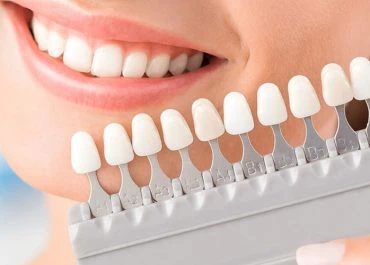
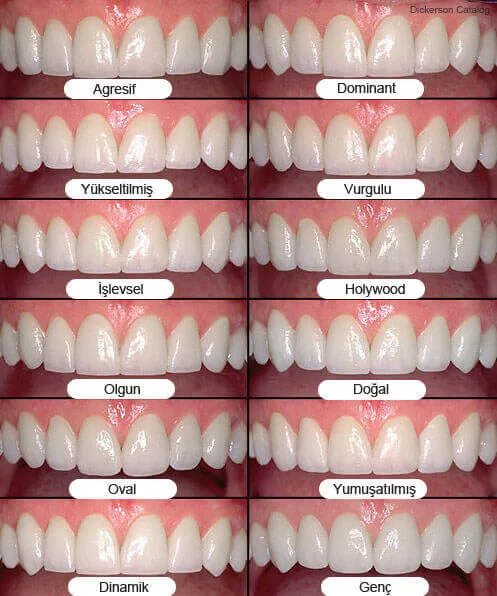
Tooth length may be too short or too long. Color tones are adjusted according to the person. Worn, broken, cracked, or deformed teeth are restored. At this stage, depending on the person’s needs, porcelain laminates, bonding, teeth whitening, or aesthetic fillings may come into play.
Adjustment of Gum Level
Excessive gum appearance, known as gummy smile, is corrected with laser or surgical methods. Botox may be recommended to the patient during this process. Asymmetric gum levels are reshaped. Gum contouring is one of the most effective stages of smile design.

Functional Evaluation
A smile is not limited to just looking beautiful. Chewing, speaking, and temporomandibular joint functions must also be at an ideal level. For this reason, smile design applications must offer a balanced combination of aesthetics and functionality.
In Which Cases Is Smile Design Preferred?
Smile design applications can be used in the following situations:
- Discolored or yellowed teeth,
- Crowding in teeth,
- Broken, cracked, or worn teeth,
- Aesthetic problems in the gums,
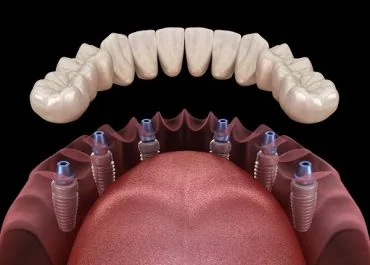
- Missing teeth,
- Disproportionate smiles or smiles that do not match facial features.
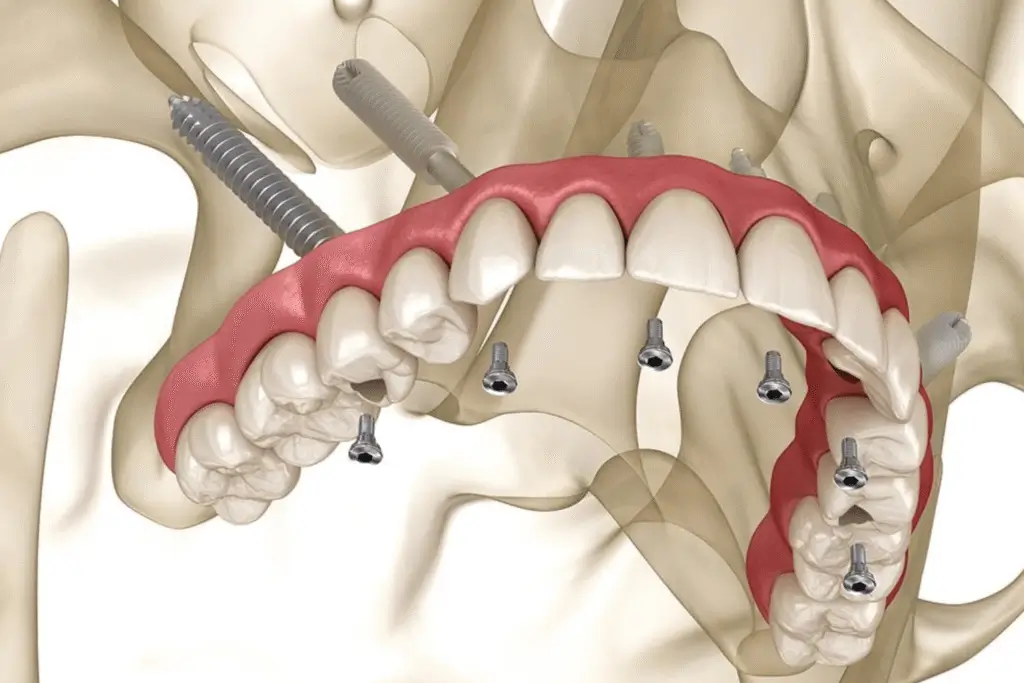
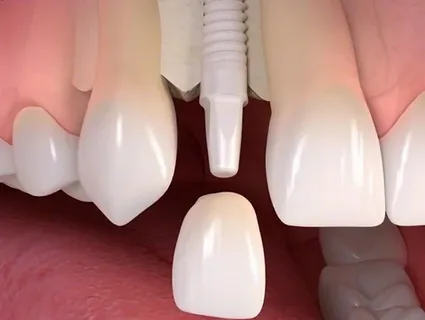
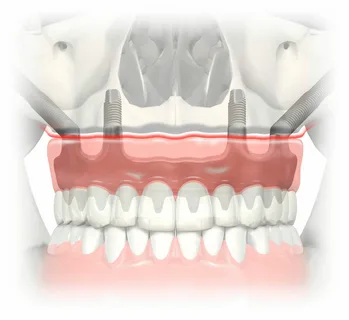
In cases of missing teeth, advanced implant options can also be evaluated. For example, in the case of bone insufficiency in the upper jaw, the Zygoma technique, also known as the cheekbone dental implant, can be used.
Modern Methods Used in Smile Design
The main methods used in smile design are as follows:
- Digital Smile Design (DSD): A personalized design is made with photographs and digital measurements. The patient can see a digital preview of their smile before treatment begins.
- Porcelain Laminate (E-Max Laminate): Natural, highly translucent, aesthetic veneers are applied to the tooth surface with minimal intervention.
- Pink Aesthetics: It includes gum contouring, laser adjustments, and symmetric corrections.
- Aesthetic Fillings and Bonding: It offers an instant aesthetic solution with composite materials in colors suitable for the tooth structure.
Which methods will be applied varies according to the oral and dental health problems, the patient’s general health condition, and expectations.
How Long Does Smile Design Take?
The treatment duration varies according to the methods to be applied and the condition of the teeth and gums. For example, 1-2 appointments are sufficient for simple adjustments. Laminate and veneer applications may require 7-10 days, while gum interventions may require a treatment program of 2-4 weeks. In ceramic or zirconium implant applications, the treatment duration can extend up to 3-6 months.
Advantages of Smile Design
The most basic advantage of smile design is that individuals have a younger and more symmetrical facial expression. Increased self-confidence, a healthy and smooth oral structure, a natural and aesthetic smile, and functionally more comfortable chewing and speaking are other advantages of smile design. Addressing aesthetic and functional problems together and performing applications with this approach makes the treatment permanent in the long term.
An Inclusive Approach in Smile Design with Dentram!
Dentram offers personalized smile design with aesthetic applications, while adopting an approach that evaluates the entirety of oral health. With digital planning, a team of specialist dentists, and advanced treatment options, the most suitable aesthetic result for each patient’s facial features is targeted. Smile design can be supported with implant solutions specific to missing teeth or jaw structure. Thus, an ideal smile is achieved both aesthetically and functionally.
If you also want an aesthetic smile suitable for your facial features, you can contact Dentram Maxillofacial Surgery Department Medical Director Prof. Dr. Serhat Yalçın.