Wisdom Teeth and Impacted Teeth: Extraction Duration, Aftercare, and Frequently Asked Questions
Wisdom teeth are one of the most problematic oral health issues of adulthood for most people. These teeth, which cannot fully adapt to the jaw structure, can cause many problems such as pain, infection, swelling, decay, and even pressure on neighboring teeth. Especially when they remain impacted, situations can arise that both reduce the quality of daily life and can cause serious complications in the long term. For this reason, wisdom teeth need to be evaluated in a timely manner, and extraction planning must be done correctly when necessary.
What is an Impacted Wisdom Tooth and What Kind of Problems Does It Cause?
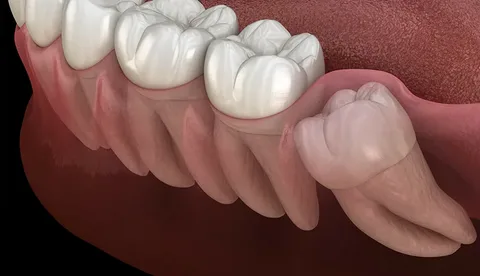
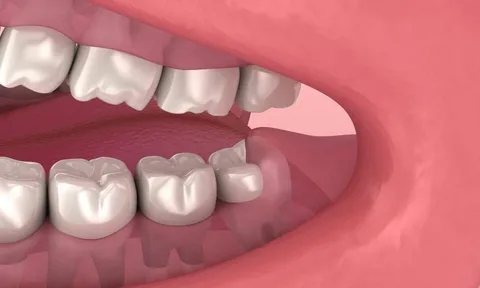
An impacted tooth refers to teeth that remain partially or completely within the jawbone or gum, even when their normal eruption time has come. Especially wisdom teeth generally cannot fully erupt and may remain partially impacted or completely impacted. The main reasons why these teeth remain impacted include insufficient space in the jawbone, the tooth being in the wrong position, or the thickness of the bone or soft tissue over it. Impacted wisdom teeth can create risks such as infection, pressure-related pain, damage to neighboring teeth, decay, cysts, or tumors.
How Are Wisdom Teeth Extracted?
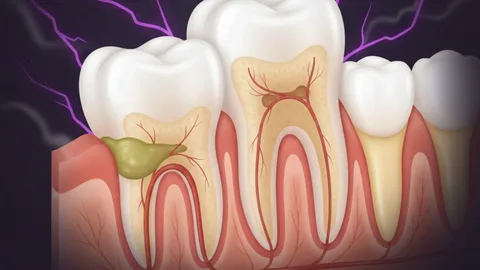
The first step in the extraction of wisdom teeth is evaluation and planning. The surgeon or dentist determines the necessity of extraction with clinical examination and radiological imaging. 3D imaging enables the evaluation of elements such as the tooth’s position, root angulation, and proximity to nerve structures. In most patients, the root of the wisdom tooth may be close to or within the lower jaw nerve.
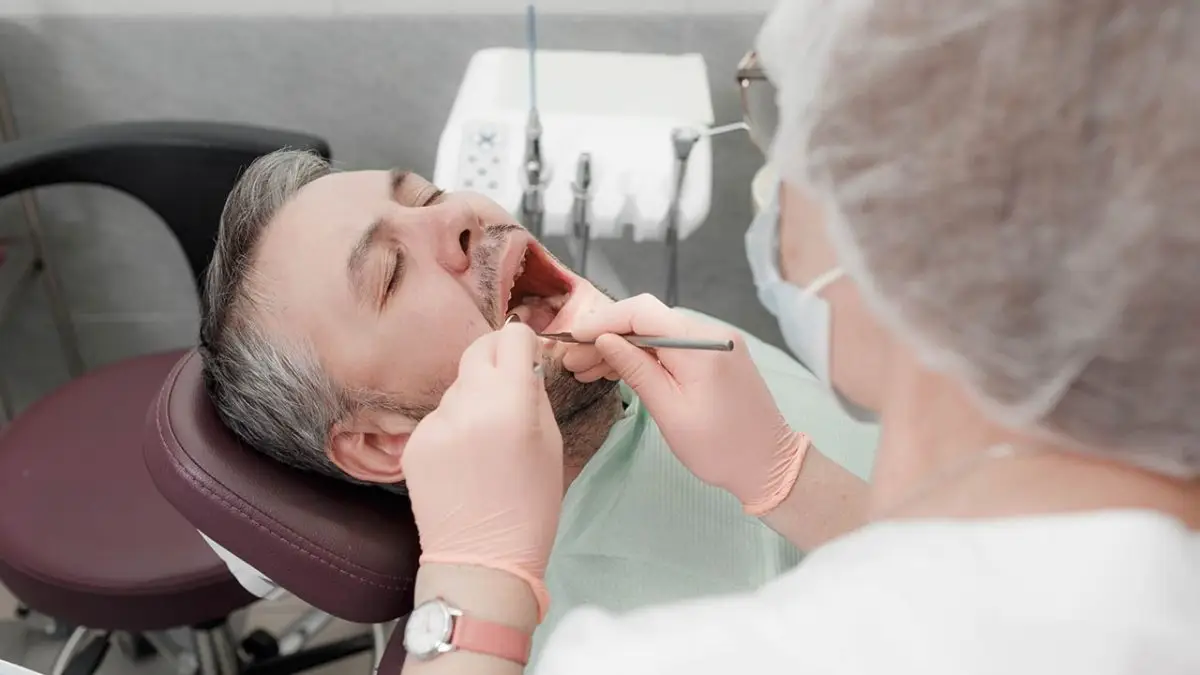
The second stage is the surgical procedure. At this stage, the patient’s comfort is ensured with local anesthesia. In some cases, sedation or general anesthesia may be preferred. After the bone around the impacted tooth is removed, the tooth is taken out, divided into pieces if necessary. After the procedure is completed, sutures may be placed at the wound site. The duration of the procedure depends on the degree of impaction of the tooth. For example, in completely impacted or angled teeth, the procedure time may be extended.
It is considered normal to see temporary effects such as swelling, edema, and pain in the first 72 hours. Rare but important risks are nerve damage, damage to neighboring teeth, and jaw fractures.
How Should Aftercare Be?
After the extraction of impacted wisdom teeth, the following care practices can be carried out regularly to ensure the rapid completion of the healing process:
- If a tampon has been placed for bleeding control, this tampon needs to be changed at 15-minute intervals.
- A cold compress can be applied for 24 hours after the procedure to reduce swelling.
- Smoking should be avoided for the first 24 hours.
- Oral hygiene should be continued with a soft brush, except for the suture areas.
- Medications such as painkillers or antibiotics should be used as recommended by the dentist.
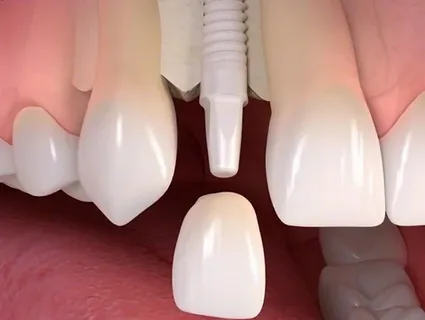
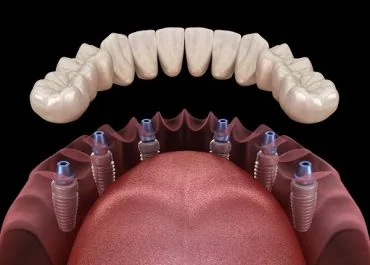
Follow-up appointments after extraction are critical. Clinic visits should be made at the time recommended by the dentist for the removal of sutures and monitoring of healing. In certain situations, treatments such as ceramic implants or zirconium implants may also be evaluated.
Frequently Asked Questions About Impacted Wisdom Teeth
If impacted teeth are not extracted, the risk of infection increases over time and gingivitis may occur. The pressure on neighboring teeth can cause crowding or root damage. Cysts or tumors develop rarely. The ideal age for extraction is generally between 16-22. Because during this period, bone flexibility is high and the healing process is faster. In later ages, since bone hardness increases and flexibility decreases, healing and extraction time may be prolonged. One of the reasons why we recommend extracting lower wisdom teeth during dental development is the relationship between these tooth roots and the lower jaw nerve. When the root development of the tooth is completed, sometimes the root contacts this nerve, and sometimes the nerve may remain within the roots.
Does Numbness Occur in the Lip After Lower Wisdom Tooth Extraction?
After the extraction of a lower wisdom tooth, sometimes permanent and sometimes temporary numbness may remain. The healing of nerve tissue is very slow. For this reason, it may take up to 2 years for the patient’s numbness to pass. If the nerve has been completely cut or fragmented, the numbness will not completely go away, but as a result of the nerves on the other side of the lip extending toward this side, the numbness comes within more acceptable limits. In these patients, no change is noticed from the outside. As patients say, one does not become paralyzed. Patients may feel the constant need to wipe this area because they cannot notice substances such as oil flowing from the corner of the lip while kissing or eating. Male patients may have difficulty shaving with a razor. In its treatment, the application of B complex vitamins and soft laser (LLLT) to the patient can accelerate the treatment.
In partially impacted teeth, the procedure time is between 20-30 minutes, and in teeth under the gum, between 30-45 minutes. In completely impacted and angled cases, this time may be extended. Swelling and bruising generally decrease within the first 3-5 days. While soft tissue healing takes 2-3 weeks, bone healing can continue for 6-8 weeks. Full functional healing generally occurs within 2-3 months.
Trouble-Free Extraction of Your Wisdom Teeth: Dentram Dental Clinic!
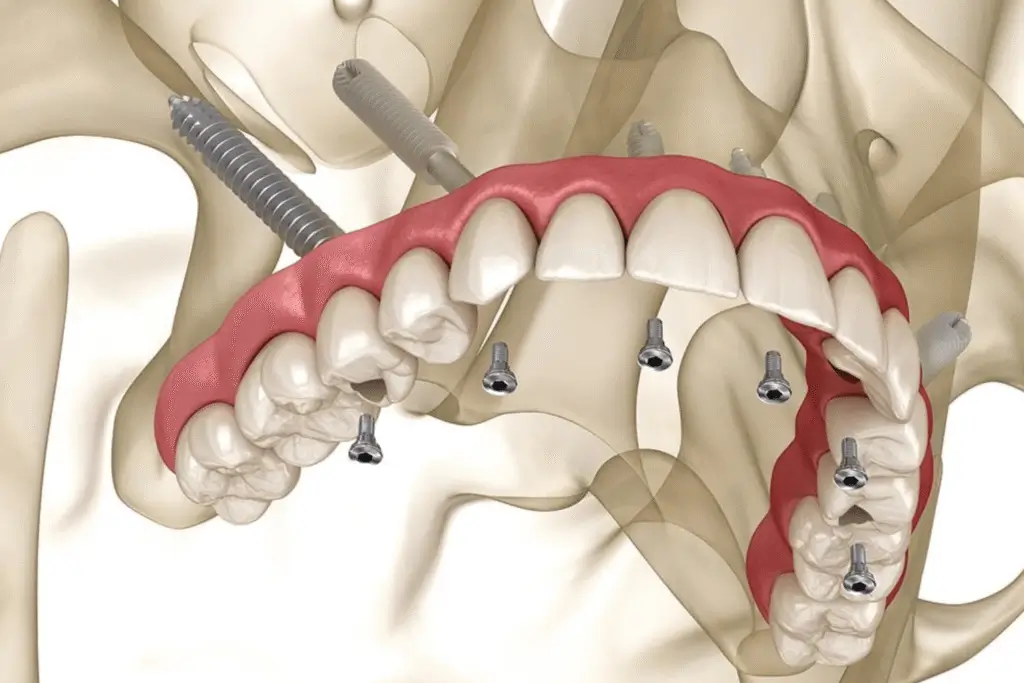
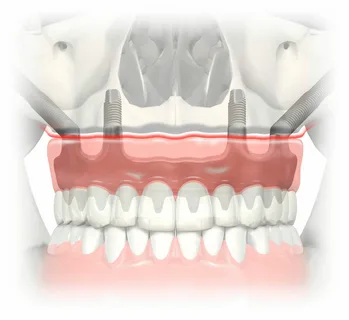
Dentram Dental Clinics offer safe and comfortable treatment with an expert team in impacted wisdom tooth surgery, as in zygoma and All-on-Four treatments. With radiological evaluations, the position of the tooth is correctly analyzed and the risk of complications is reduced. With aftercare guidance, the healing process is optimized, and check-ups are carried out meticulously. If you would like to make a preliminary evaluation appointment, you can contact Dentram specialists now.