Temporomandibular Joint Disorders (TMJ): Symptoms and Treatment Options
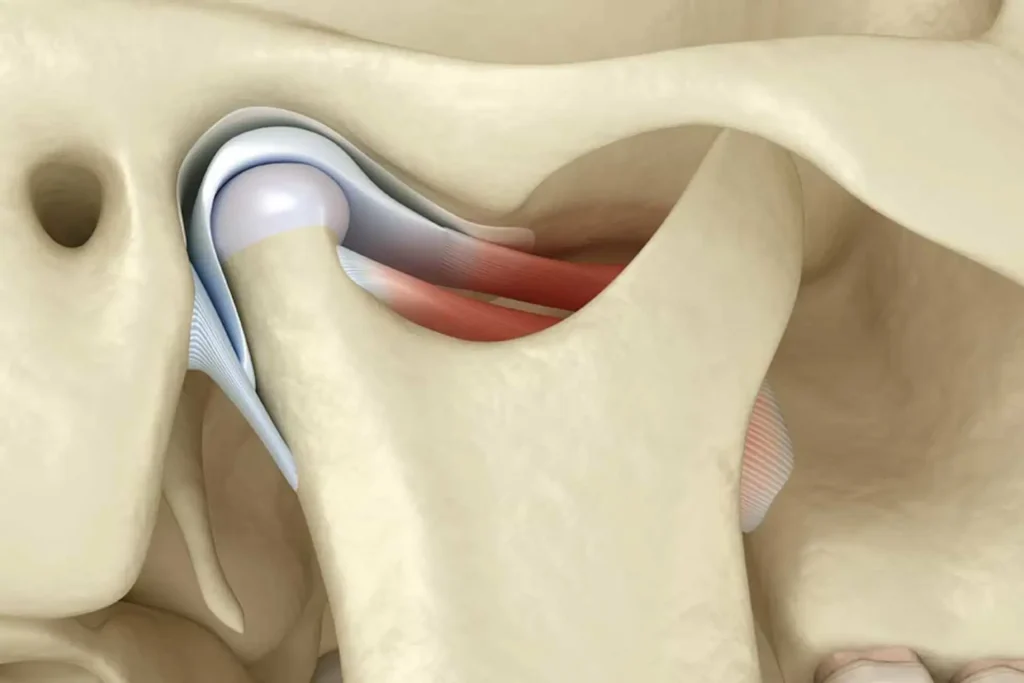
The temporomandibular joint is a complex anatomical structure that ensures the smooth performance of basic functions such as speaking, chewing, and swallowing. Functional disorders that occur in this joint can lead to chain problems that affect not only the jaw region but also the head, neck, and even posture. In clinical practice, temporomandibular joint disorders are often noticed late; because the symptoms progress slowly and may be encountered with different problems.
The maxillofacial surgery approach at Dentram is based on evaluating temporomandibular joint diseases within the integrity of the oral, jaw, and facial system, rather than addressing them in isolation. The approach of our founder, Oral, Dental and Maxillofacial Surgery Specialist Prof. Dr. Serhat Yalçın, is guiding at this point:
“The temporomandibular joint is not just a hinge that opens and closes; it is also an important part of the body’s balance mechanism. If you cannot read the problem correctly, you cannot plan the treatment correctly either.”
A Holistic View of Maxillofacial Surgery
Maxillofacial surgery is a broad specialty area that encompasses teeth, jawbones, the temporomandibular joint, facial bones, and the soft tissues associated with these structures. This area includes diagnosis, function analysis, and long-term monitoring processes in addition to surgical interventions. Temporomandibular joint disorders are often evaluated together with wisdom teeth, jaw cysts, or bite disorders.
Temporomandibular Joint Diseases (TMJ)
Temporomandibular joint diseases cover functional or structural problems involving the joint disc, joint surfaces, ligaments, and chewing muscles. These diseases may not develop due to a single cause, and often more than one factor plays a role together.
Main Symptoms of TMJ Disorders
- Pain when opening and closing the mouth,
- Clicking or grinding sound during jaw movements,
- Stiffness and fatigue in the jaw muscles in the morning,
- Limited mouth opening or feeling of locking,
- Pain radiating around the ear.
- Difficulty during chewing or the habit of one-sided use.
Prof. Dr. Serhat Yalçın draws attention to the following point regarding these symptoms: “Every sound coming from the temporomandibular joint should be taken into consideration; however, if there is pain and loss of function along with the sound, a doctor must definitely be consulted.“
Possible Causes of TMJ Disorders
- Teeth clenching and grinding habits,
- Bite disorders and missing teeth,
- Long-term one-sided chewing,
- Trauma to the jaw region,
- Intense stress and muscle-related parafunctions.
Wisdom Teeth and Impacted Teeth
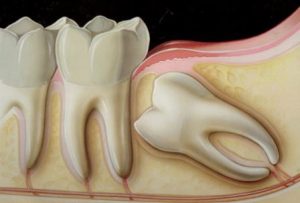
Wisdom teeth may remain impacted or partially impacted when there is insufficient space in the jaw structure. This situation can affect not only the gums and surrounding tissues but also indirectly affect the functions of the temporomandibular joint. Especially painful, infected, or impacted teeth that put pressure on neighboring teeth can cause tension in the jaw muscles.
Impacted teeth can have the following effects on the jaw system:
- Unconscious load distribution during chewing,
- Development of one-sided use habits,
- Pain due to asymmetric work in the jaw muscles,
- Widespread facial pain caused by infection.
Jaw Cysts
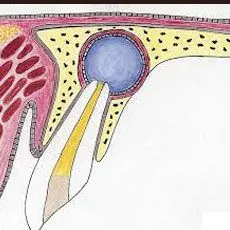
Jaw cysts are pathological formations that often progress without showing symptoms and are noticed during routine radiographs. They can be of dental origin or developmental origin. When left untreated, they can cause weakening of the jawbone and loss of function. Expansion in the jawbone or, in advanced cases, tooth loss can be observed. They require regular follow-up after being surgically removed. Jaw cysts can pave the way for TMJ diseases by causing chewing disorders and tooth loss.
Jaw Fractures
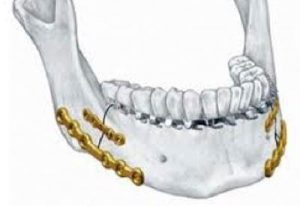
Jaw fractures usually occur as a result of trauma and are situations that require emergency intervention. Lower jaw fractures can directly affect mouth opening and bite, disrupting temporomandibular joint function. The treatment approach for jaw fractures is as follows:
- The location and type of the fracture are determined by detailed imaging,
- Fixation with plates and screws is performed when necessary,
- Temporomandibular joint functions are closely monitored during the healing process.
Dental-Origin Sinus Diseases
The teeth in the upper jaw posterior region have a close anatomical relationship with the maxillary sinus. For this reason, dental infections can spread to the sinus cavity. This situation can cause facial pain and indirectly a feeling of discomfort in jaw movements. Long-lasting sinus infections may be of dental origin. Treatment requires the joint evaluation of dental and sinus structures. Surgical interventions are planned in a multidisciplinary manner.

Maxillofacial Surgery
Maxillofacial surgery covers aesthetic and structural disorders in addition to functional problems. Temporomandibular joint problems can affect the jaw position in advanced cases, leading to changes in facial aesthetics. Prof. Dr. Serhat Yalçın summarizes this field with the following words:
“A successful maxillofacial surgery should correct not only the appearance but also the function. Lasting success is only achieved with this balance.”
Treatment Options for TMJ Disorders
Treatment planning is done on a personalized basis according to the patient’s complaints, joint condition, and other accompanying problems. The priority is always conservative methods. If these do not work, interventional and surgical methods are used.
Conservative Methods
- Occlusal splints and night guards,
- Medical support for muscle relaxation and pain control,
- Jaw exercises and physical therapy applications,
- Regulation of lifestyle and chewing habits.
Interventional and Surgical Methods
- Joint lavage (arthrocentesis),
- Arthroscopic interventions,
- Open joint surgery in advanced cases.
Multidisciplinary Treatment Approach for Temporomandibular Joint Disorders: Dentram!
Temporomandibular joint disorders are multidimensional problems that cannot be addressed with a single symptom or a single treatment method. The approach adopted at Dentram is based on evaluating temporomandibular joint diseases within a broad clinical framework, ranging from wisdom teeth to jaw fractures. When proper diagnosis, appropriate treatment, and regular follow-up come together, it is possible to achieve successful results in problems caused by TMJ.
You can also contact us to make an initial examination appointment, get detailed information on topics such as holistic dentistry or zirconium implants, and evaluate treatment options specific to you.