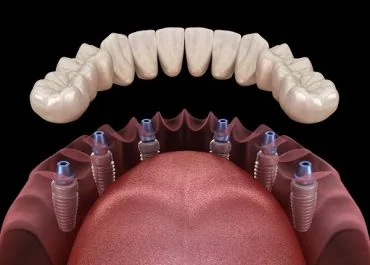
Sinus Lifting Surgery: Bone Volume and Functional Stabilization in Upper Jaw Implant Treatments
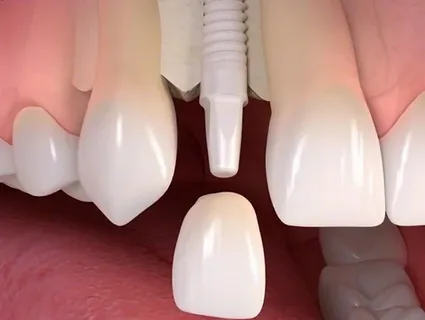
Dental implantology is the scientific method with the highest success rate in the rehabilitation of missing teeth. However, sufficient bone volume and density are required for the implant to achieve healthy osseointegration (fusion) with the jawbone. Especially in cases of bone insufficiency that develop due to tooth loss in the upper jaw posterior region, the elevation of the sinus floor is necessary in order to enable the implant operation. This advanced surgical method is called sinus lifting.
Maxillary Sinus Anatomy and Bone Resorption
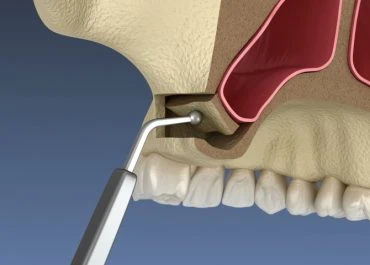
The air-filled cavities located just above our upper jaw, on both sides of the nasal cavities, are called “maxillary sinuses.” Among the basic functions of these anatomical cavities are reducing the weight of the head and regulating the resonance of the voice. However, when tooth loss occurs in this region, two negative processes begin simultaneously:
- Bone Resorption: With the disappearance of the mechanical stimulation provided by the tooth roots, the jawbone begins to resorb vertically and horizontally.
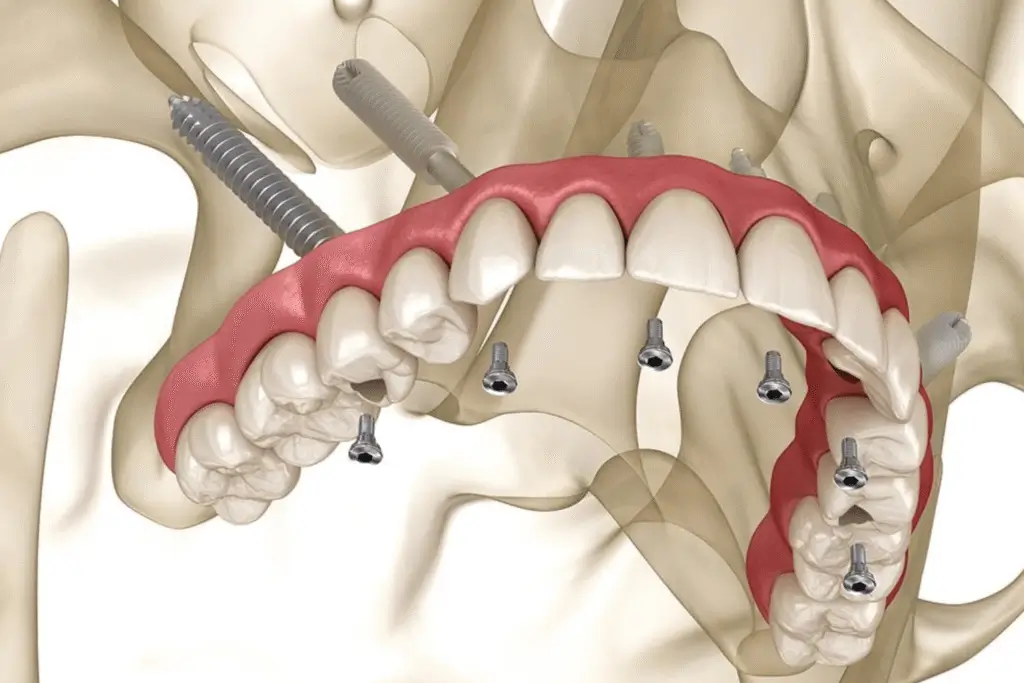
- Sinus Pneumatization: Along with the bone loss in the upper jaw, the sinus cavities expand downward, narrowing the safe bone area necessary for processes such as zygoma implants.
As a result of the combination of these two factors, the vertical bone distance in which a standard implant (generally 8-10 mm in length) can be placed disappears. At this point, sinus lifting surgery comes into play as a biomechanical necessity.
Surgical Necessity and Clinical Approach
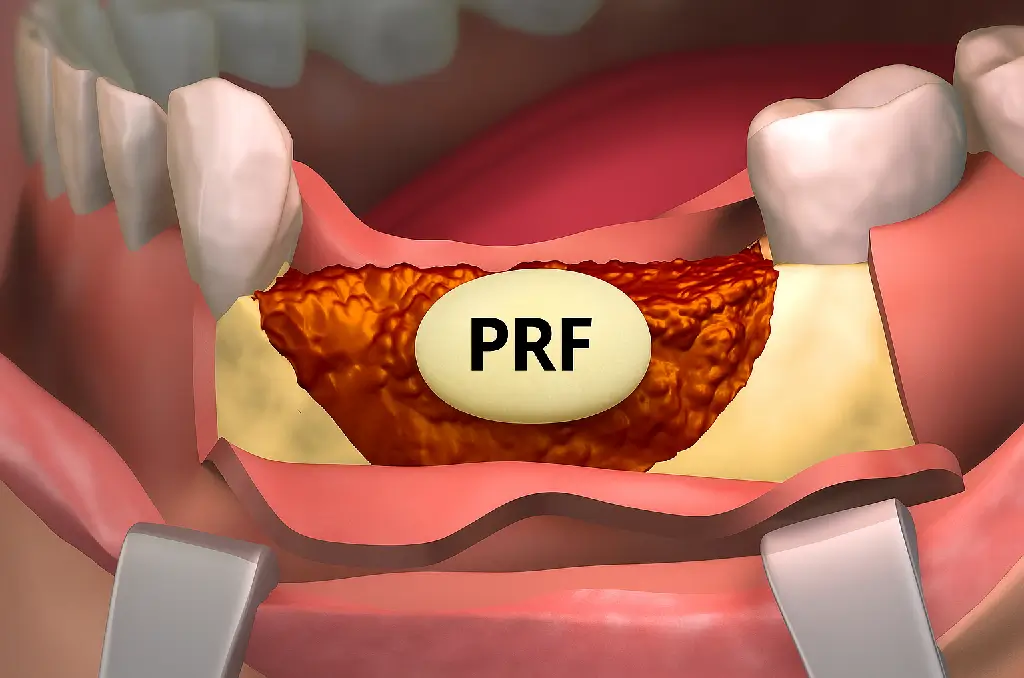
Sinus lifting is the procedure of carefully shifting the membrane lining the sinus floor (Schneider membrane) upward and placing a bone graft into the resulting space. The goal of this procedure is to create a new and durable bone base where the implant can remain stable.
Oral, Dental and Maxillofacial Surgery Specialist Prof. Dr. Serhat Yalçın explains the effect of sinus lifting operations on implant success with the following technical data:
“The upper jaw posterior region is one of the areas where bone quality is lowest. When the distance between the sinus floor and the jaw apex falls below 4-5 mm, it becomes technically impossible to ensure the primary stability of the implant. With sinus lifting surgery, by increasing this distance to rational measurements, we not only enable the placement of the implant; we also build a bone infrastructure resistant to long-term chewing forces. This is not a ‘preference,’ but the process of overcoming anatomical limitations with scientific methods.”
Application Methods: Open and Closed Sinus Lifting
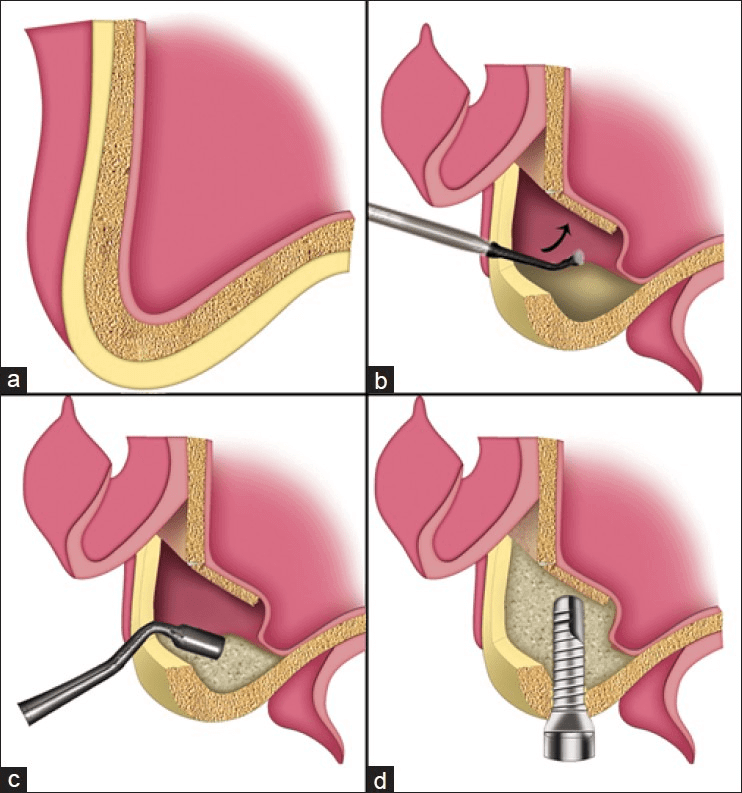
As a result of clinical examination and radiological analyses such as 3D Tomography, two different techniques are applied according to the need:
- Closed Sinus Lifting: Preferred in cases where the existing bone amount is 5-6 mm and above. While the implant socket is being prepared, the sinus floor is pushed up with special hand instruments, and the implant can be placed in the same session.
- Open Sinus Lifting (Lateral Window): Applied in cases where the existing bone is very insufficient (1-4 mm). A window is opened from the side to the sinus region, creating bone volume in a wider area. Generally, after waiting 6 months for bone formation, the implant stage is initiated.
Which of these methods will be applied is decided as a result of the physical examination and radiological analyses performed by the specialist dentist.