Digital Dentistry: 3D Scanning, CAD/CAM Technology, and Dentram Applications
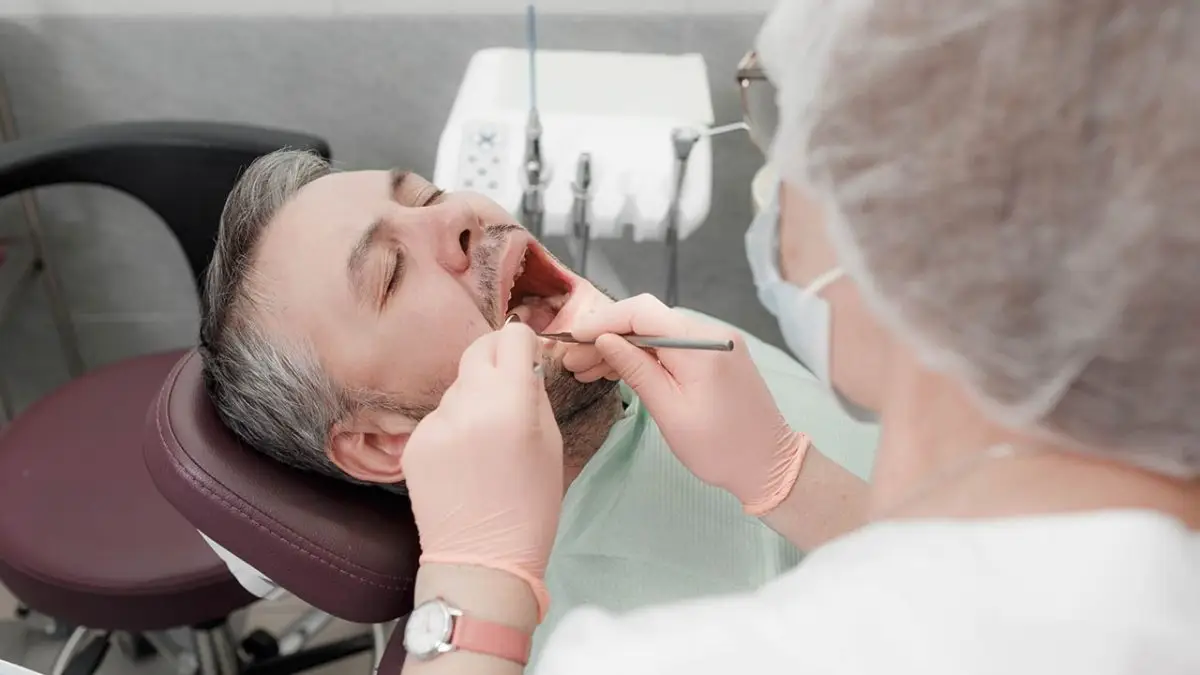
Digital dentistry can be defined as a service standard in which technological innovations are integrated into treatment processes; it directly affects diagnosis, planning, and treatment quality. This approach includes computer-aided systems that replace traditional methods, 3D scanning technologies, CAD/CAM design and manufacturing processes, and digital imaging methods. Thanks to these methods, dental treatments can be carried out more quickly, precisely, and with maximum patient comfort.
Dentram approaches digital dentistry not just as the use of devices, but as an end-to-end planned clinical approach. 3D intraoral scanning, CAD/CAM-based restoration production, digital smile design, and advanced imaging technologies form the foundation of the digital dentistry services offered at Dentram.
What is Digital Dentistry?
Digital dentistry refers to an integrated treatment flow that includes digital impression-taking, planning, design, production, and patient communication processes. The aim is not only diagnosis and treatment, but also to improve the patient experience from beginning to end of the treatment. The main objectives of digital dentistry are:
- To make treatment personalized,
- To minimize impression and production errors,
- To maximize aesthetic and functional harmony,
- To shorten treatment time while increasing quality.
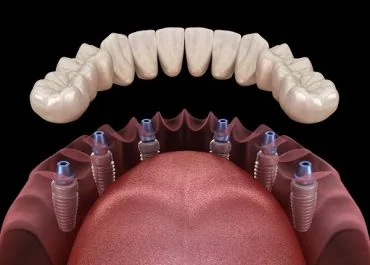
Digital dentistry is actively applied in many areas at Dentram clinics, primarily including general dentistry, aesthetic dentistry, implantology, prosthetic treatments, and smile design.
Prof. Dr. Serhat Yalçın: “Digital dentistry is no longer an option in modern clinics, but a necessity. At Dentram, we position technology not merely as a supportive element but at the very center of treatment.”
Digital Scanning Technology (3D Scanning)
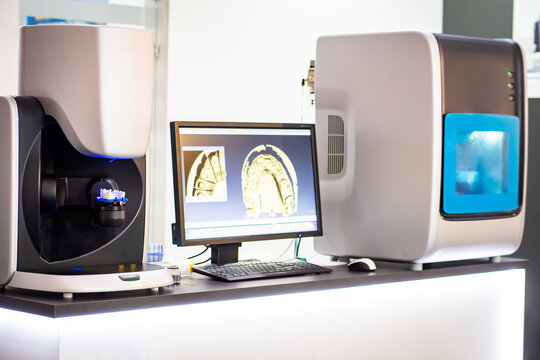
Digital scanning is a technological application carried out with special intraoral scanners positioned inside the mouth, aiming to obtain a high-resolution 3D image of the patient’s intraoral structures. It enables the acquisition of a high-resolution digital model of the patient’s tooth, gum, and jaw structure.
Unlike traditional impression trays and silicone-based materials, the inside of the mouth is scanned quickly, and the data is instantly transferred to the digital environment. In other words, scanners scan the inside of the mouth using light or laser, and the resulting data is converted into a digital model. Treatment planning is initiated based on the obtained data without delay.
Advantages of Digital Scanning (3D Scanning)
The digital scanning service we offer at Dentram provides the following advantages:
- High Precision: The data obtained with 3D scanning provides much more precise results compared to traditional impressions.
- Patient Comfort: There is no need to use impression materials that cause discomfort when kept in the mouth for a long time.
- Time Saving: The scanning is performed in a short time, and the digital impression can be transferred to the design process immediately.
- Communication and Planning: The digital model obtained after scanning can be easily shared between dentists and the laboratory. Treatment planning can be made together with the patient.
This technology plays a critical role especially in crowns, bridges, veneers, and implant-supported restorations.
CAD/CAM Technology
CAD/CAM is a combination of the terms Computer Aided Design (CAD) and Computer Aided Manufacturing (CAM). In dentistry, the CAD/CAM process refers to the conversion of digital impressions into designs in a computer environment and the production of these designs in the same or a different environment.
The CAD/CAM process generally works as follows:
- Digital Impression-Taking: 3D scanning of the mouth and tooth structure is performed with an intraoral scanner.
- Digital Design (CAD): The obtained data is processed in CAD software, and the design of the restoration is carried out.
- Digital Production (CAM): The design is transferred to the CAM system, and the physical restoration is produced using 3D printing or milling technologies.
For Which Applications is CAD/CAM Used?
As Dentram, we actively use CAD/CAM technology in the following treatments:
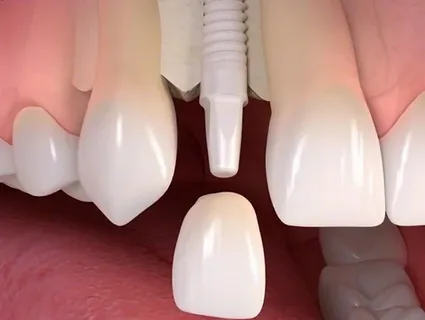
- Zirconium implants,
- Bridge prostheses,
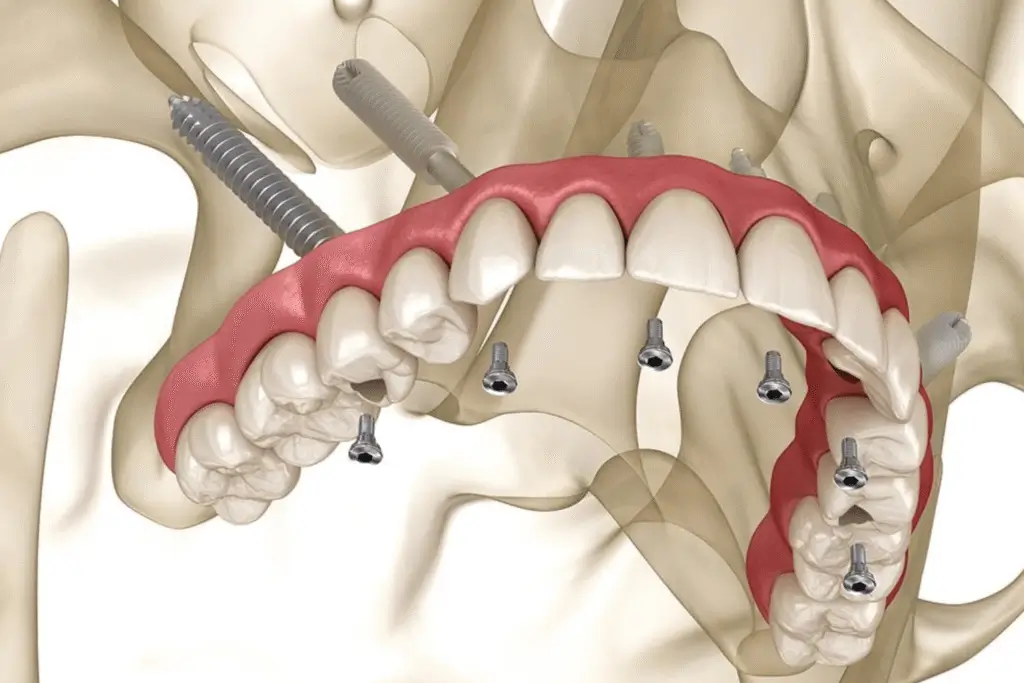
- Advanced implant surgery applications,
- Laminate veneers,
- Inlay and onlay restorations,
- Implant-supported fixed prostheses,
- Temporary restorations.
Thanks to this system, restorations fit the tooth perfectly, last longer, and better mimic natural tooth aesthetics.
Dr. Aylin Sezen Yalçın: “CAD/CAM technology strengthens not only the aesthetics but also the biological compatibility in restorations. At Dentram, we plan every restoration on a personalized basis.”
Digital Smile Design
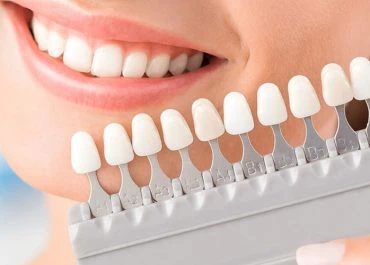
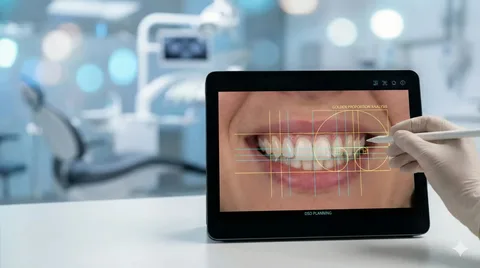
An important part of digital dentistry at Dentram is also Digital Smile Design (DSD) applications. Within the scope of this service, the patient’s facial proportions are analyzed, the relationship between the teeth and lips is evaluated, and possible results are planned in advance through digital simulations.
The patient sees how their smile will change before treatment begins and is actively involved in the decision-making process. This approach significantly increases patient satisfaction and predictability in aesthetic dentistry.
Volumetric Dental Tomography (VDT)
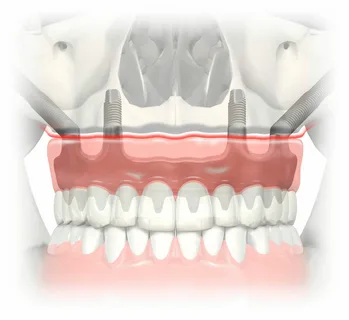
Volumetric Dental Tomography (VDT) is used at Dentram as an important part of the digital dentistry approach. Thanks to this advanced imaging technology, the jaw structure, teeth, and surrounding tissues are evaluated in detail in three dimensions. It brings success to the treatment process, especially in implant treatments, in addition to the positioning of impacted teeth, the examination of sinus regions, and the analysis of canal structures. The three-dimensional data obtained allows for patient-specific planning, providing more controlled and predictable results both in the diagnosis stage and during the treatment process.
What are the Advantages of Digital Dentistry?
The prominent advantages of the digital dentistry applications we perform at Dentram for patients are as follows:
Patient Comfort and Speed
Digital methods eliminate traditional impression materials, providing a much more comfortable experience for patients. At the same time, with digital scanning and CAD/CAM production, treatment processes can be accelerated. In some cases, single-session treatments can be performed.
Precision and Accuracy
Digital impression and CAD-based design methods offer higher precision than traditional techniques. This precision increases treatment success, especially in implant-supported restorations.
Less Human Error
Computer-aided workflow prevents manual measurement and modeling errors. This makes the results more predictable.
Interaction in Treatment Planning
Thanks to digital models, clearer communication between the dentist and the patient is possible. The patient can see the results with digital simulations before treatment and make more informed decisions about the process.
Digital Dentistry at Dentram
Dentram, by integrating digital dentistry applications into its clinics, ensures that treatments are carried out in a way that meets expectations of speed, comfort, precision, and aesthetics at the highest level. Dentram’s digital dentistry approach basically includes the following technologies.
- Digital Intraoral Scanning: Takes a precise 3D measurement of the mouth.
- CAD/CAM Technology: Plans and applies design and production processes in a digital environment.
- Digital Anesthesia: Provides more comfortable local anesthesia with a precise pain control system.
- Digital Tomography (CBCT): Enables more accurate treatment plans with 3D imaging.
- Digital Smile Design: An ideal smile design is planned according to the patient’s face and tooth structure.
Dentram’s founders, Prof. Dr. Serhat Yalçın and Dr. Aylin Sezen Yalçın, emphasize the critical role digital dentistry plays in modern dental treatments as follows:
“Digital dentistry is one of the important innovations that increase comfort and effectiveness for both the dentist and the patient. As Dentram, we place technology at the center of our treatments; this way, we can offer our patients aesthetic results planned with high precision.” — Serhat Yalçın
“3D scanning and CAD/CAM applications allow us to offer personalized solutions beyond classical methods. Especially in smile design processes, our patients being able to see their expectations in advance through digital simulation makes the treatment experience more enjoyable.” — Aylin Sezen Yalçın