What is a Ceramic – Zirconium Implant? Advantages and Process
When aesthetic expectations, oral health, and special conditions such as patients’ metal allergies are considered together, the material used in dental implants is extremely important. Especially in the front region, issues such as preventing the deterioration of gum appearance and avoiding gray metal reflections can prevent aesthetic concerns. Ceramic-based, metal-free solutions such as zirconium implants are among the most preferred options, especially in cases of tooth loss.
What is a Ceramic – Zirconium Implant?
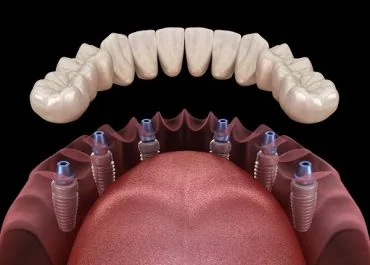
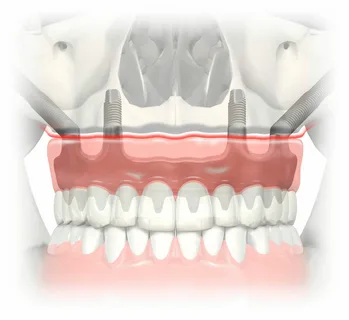
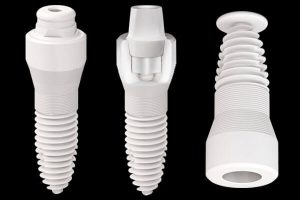
A ceramic implant is generally produced from high-quality ceramics such as monoblock yttrium oxide stabilized tetragonal zirconia polycrystals (Y-TZP). Metal-free zircon prevents the reflection of metal color from under the gum and shows excellent biocompatibility with tissue. Different systems are available in zirconium implant production, including one-piece and two-piece. Both design and surface treatments affect the success rate of zirconium implants.
Advantages of Ceramic Implants
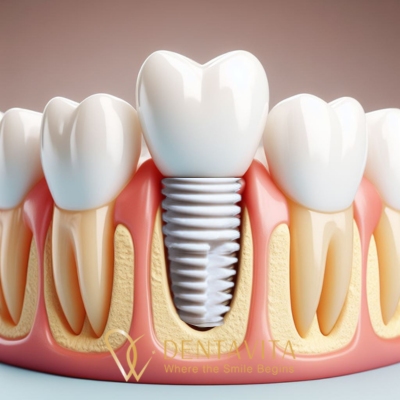
The most fundamental reason for the widespread preference of zirconium implants is the advantages they offer. The most prominent of these advantages are as follows:
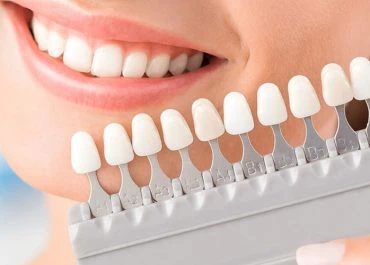
- Zirconium implants have a white-cream color tone that reduces the reflection of gray metal color from under the gum or tooth. This provides a great advantage, especially in the front region.
- Zirconium implants interact positively with the surrounding soft tissues. Plaque accumulation is lower and the risk of inflammation is low. Implant inflammation, called peri-implantitis, is encountered less frequently.
- Thanks to the metal-free structure, risks such as metal particle separation or allergic reactions are lower compared to titanium implants.
- They do not create galvanic current in the mouth.
The advantages of zirconium implants have been supported by clinical studies.
Stages of Zirconium Implant Application
In zirconium implant applications, the steps rarely change from patient to patient. Generally, similar stages are followed. These stages are as follows:
Planning and Evaluation
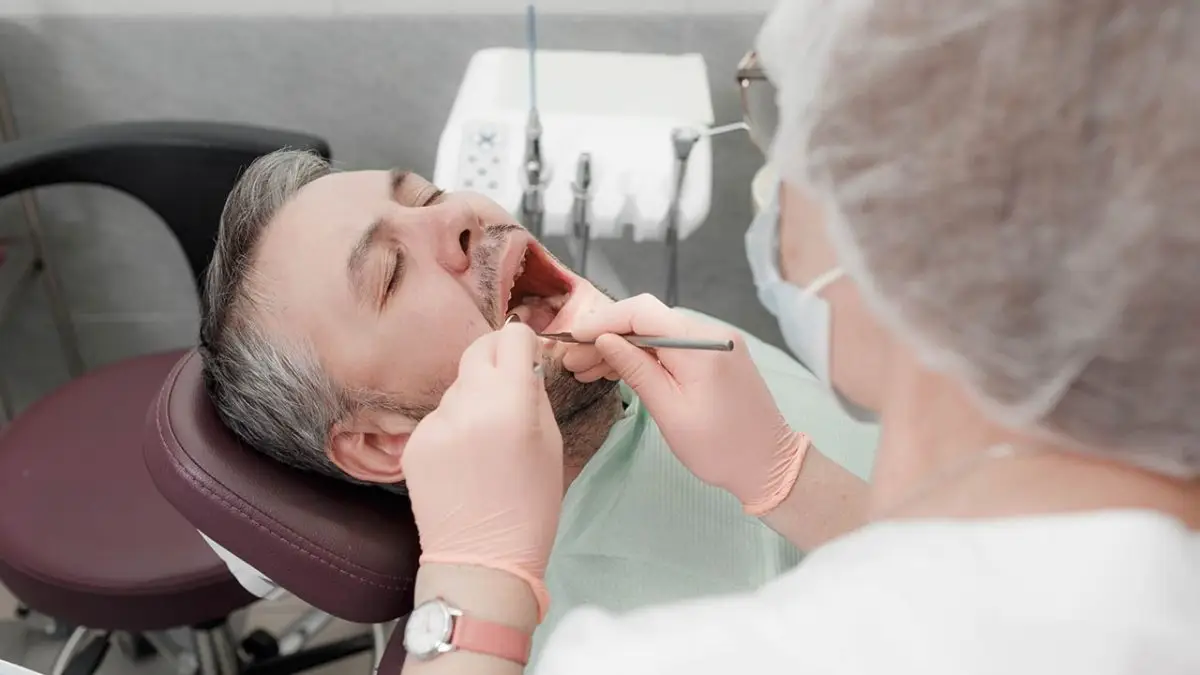
The first stages are planning and evaluation. At this stage, oral hygiene, bone, and gum condition are evaluated. The jawbone structure is examined with X-rays, and aesthetic expectations, gum biotype, and function are taken into consideration.
Surgical Placement
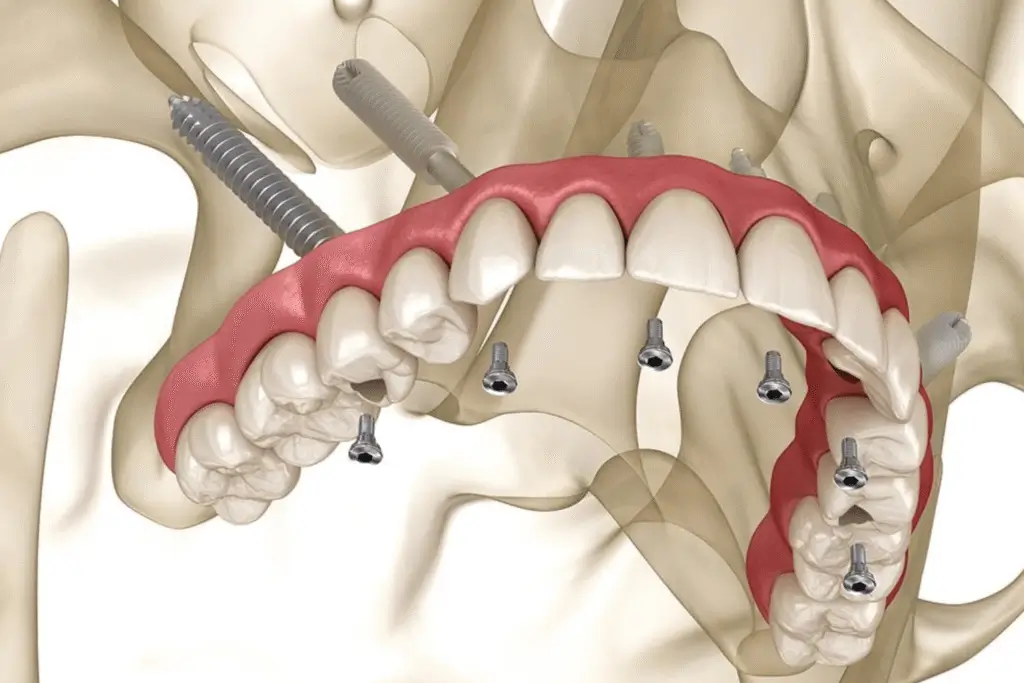
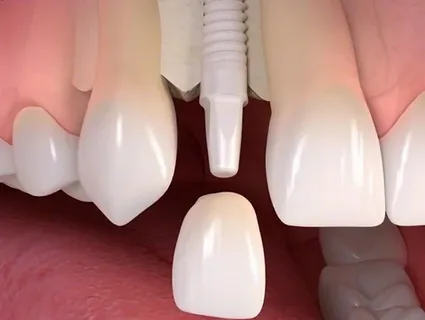
The zirconium implant is placed in the jawbone. In one-piece systems, the implant and abutment exist as a single element; in two-piece systems, the implant and abutment are separate. Surface treatments such as acid etching can affect the success rate.
Bonding with Bone (Osseointegration)
Zirconium implants show successful performance during the process of bone tissue bonding with the implant surface. The average bone loss experienced with zirconium implants is thought to be less compared to titanium implants. Even if there is bone loss around it, it can be better tolerated by the patient due to its white color.
Restorative Stage
After healing is complete, the abutment is placed on the implant, followed by a crown or bridge. Prosthetic planning is important in terms of aesthetics, function, and biomechanical compatibility. When the zirconium implant system is selected, factors such as prosthetic material compatibility, loading time, and gum height affect the success of the application.
Follow-up and Maintenance
Regular check-ups every 6 months, hygiene education, and professional cleaning services if necessary are recommended. Because zirconium implants, like other types of implants, carry the risk of peri-implantitis. For this reason, maintenance should not be neglected.
Who is Zirconium Implant Suitable For?
Zirconium implants are a good alternative for patients who have a metal allergy or are bothered by the metal appearance. They can be preferred in cases where aesthetic expectations are high, such as the front tooth region. They are also suitable for patients with sufficient bone volume, good oral hygiene, and no general health problems. However, in cases with weak bone volume or where excessive load must be carried, the risk of vibration, fracture, and failure increases.
The Right Choice for Ceramic Implant Applications: Dentram
Zirconium implants offer a very strong option in terms of aesthetics and biocompatibility. However, in every case, suitability for the case, proper planning, professional surgery, and the maintenance process are critical for a successful result. As Dentram, we plan the entire process related to zirconium implants for you and support you in making informed decisions.
If you are looking for a metal-free, aesthetic, and safe implant solution, you can make an initial evaluation appointment with Dentram Oral, Dental and Maxillofacial Surgery Department Medical Director Prof. Dr. Serhat Yalçın.