What is the Purpose of Smile Design and How Does the Process Work?
Smile design, one of the innovative methods of modern dentistry, is the process of creating and planning an aesthetic smile suitable for the person’s dental structure, face shape, and lip line. This method, also known as Digital Smile Design (DSD), is custom-designed in a digital environment to create an aesthetic smile.
In smile design applications at Dentram, our basic principles are: natural appearance, minimally invasive approach, and long-lasting biological compatibility. One of our founders, Prof. Dr. Serhat Yalçın, emphasizes that smile design must be functional as well as aesthetic. Thanks to digital planning technologies, all our patients can clearly see the results before treatment begins. This both increases our clinical precision and creates a process that gives confidence to our patients.
What is the Purpose of Smile Design?
The smile design process not only improves the aesthetic appearance of the teeth but also aims to optimize facial expression and functional harmony. The main objectives are as follows:
- Aesthetic and Functional Harmony: To achieve smiles that are optimized both aesthetically and functionally, such as in chewing and speaking.
- Increased Self-Confidence: To increase the individual’s self-confidence and enable them to be more comfortable in social interactions.
- Improvement of Oral Health: To help maintain oral health by reducing the risk of tooth decay or gum disease with properly aligned and well-maintained teeth that are easier to clean.
- Improvement of Overall Appearance: To enhance the person’s overall facial symmetry and expression.
According to Prof. Dr. Serhat Yalçın, the success of smile design always lies in respecting the person’s own biological limits. For this reason, aggressive tooth preparations or unnecessary restorative procedures should be avoided.

How Does the Smile Design Process Work?
Smile design, which is based on the patient’s aesthetic expectations and anatomical structure, consists of several detailed stages.
Initial Examination and Analysis
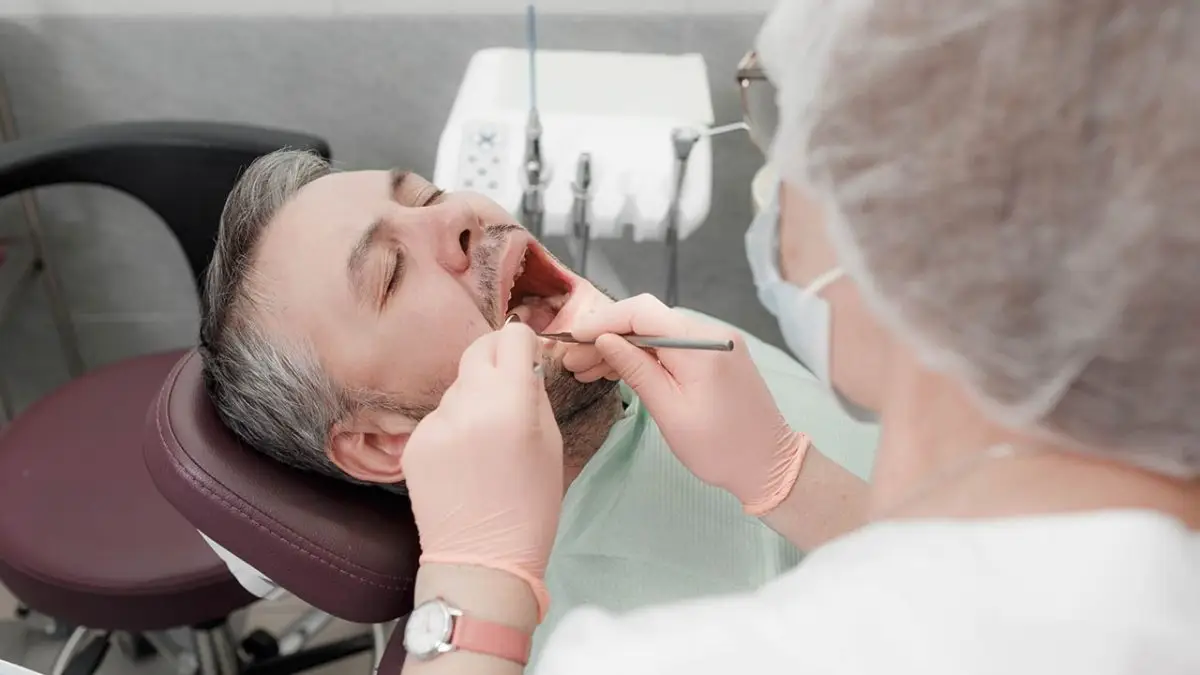
The specialist dentist listens to the patient’s complaints and aesthetic goals. A comprehensive oral health assessment is carried out at this first appointment. To collect diagnostic data, digital 3D scans, high-resolution photographs, videos, and X-rays are taken.
Digital Smile Design (DSD) Stage
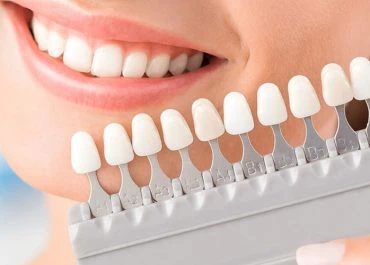
Through the processing of the collected data, aesthetic proportions such as the patient’s symmetry, lip line, and the size, shape, and alignment of the teeth are taken into consideration. Using computer-aided design (CAD) software, all changes to be made are shown to the patient through simulation, allowing patients to make informed decisions.
Creating the Treatment Plan
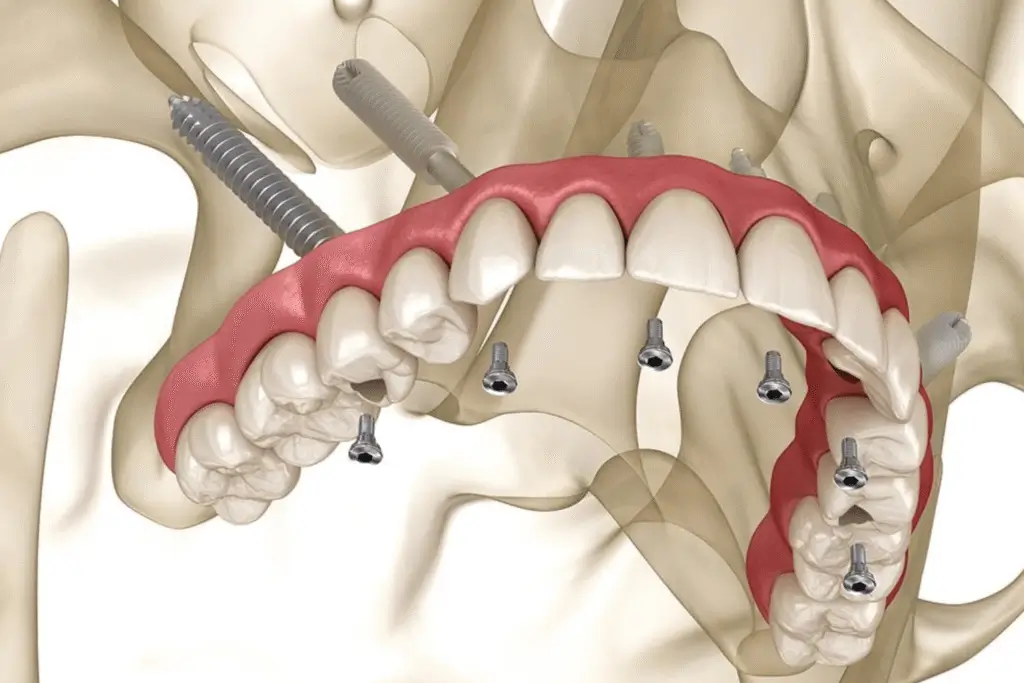
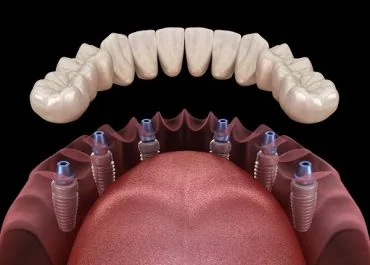
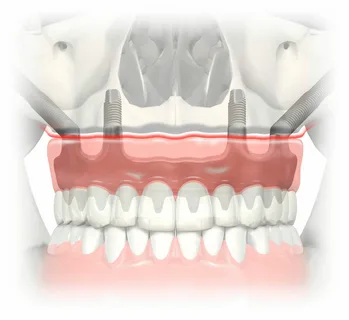
As a result of simulation and digital analysis, a personalized treatment plan is developed. This plan considers not only the appearance of the teeth but also, if deemed necessary, orthodontic or periodontal treatments, whitening procedures, implant superstructure restorations such as zirconia-ceramic superstructures, and other functional requirements together.
The treatment plan includes aesthetic goals, the timeline, the materials to be used, the necessary clinical procedures, and the recovery processes.
Necessary Clinical Procedures
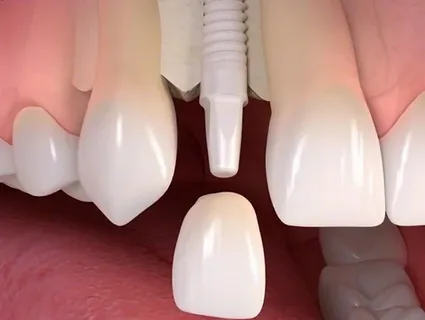
This stage is entirely specific to the individual’s needs. Procedures such as necessary periodontal treatments, gum contouring, or the optimization of gum health may be carried out. If deemed necessary, procedures such as the design and placement of zirconia-ceramic implant-supported restorations may be performed. In cases requiring orthodontic care, prior alignment of the teeth can be ensured.
The treatment is carried out carefully and meticulously by the Dentram team led by Prof. Dr. Serhat Yalçın and Dr. Aylin Sezen Yalçın.
Final Checks and Finalization of the Smile
After the application is completed, the restorations and aesthetic work are evaluated one last time. The harmony between the gums and teeth is checked. Functional tests such as jaw movements and bite balance are performed. At Dentram, the goal is not only for the result obtained to look aesthetically pleasing but also for functional and biological compatibility to continue in the long term.
A Natural and Effective Smile is Possible with Proper Planning
Smile design aims to create a smile that is in harmony with the individual’s unique facial expression and character. It is important for the patient to see how compatible their aesthetic expectations are with their own anatomical structure before starting treatment.
At Dentram, smile design is a functional renewal process beyond being an aesthetic investment. With science-based planning, minimally invasive applications, and the right material selection, it is possible to achieve a smile that is both natural and long-lasting. As Dentram, our entire approach is to provide our patients with a result that is sustainable both aesthetically and biologically.