What is Amalgam Removal? Risks and Requirements for Safe Amalgam Removal
Amalgam fillings have been widely used in dentistry for many years due to their durability and longevity. Today, however, there are question marks about these fillings due to the mercury they contain. Questions such as “Should every amalgam filling be removed, or is it more correct to preserve them in some cases?” do not have a single answer that applies to everyone.
The evaluation of amalgam fillings depends on many factors, such as the condition of the filling, the patient’s general health status, and the conditions under which the procedure will be performed. Especially when it comes to amalgam filling removal, how the procedure is carried out and with what safety measures is of great importance.
What is Amalgam (Mercury Filling)?
Amalgam is an alloy formed by metals such as mercury, silver, tin, and copper. This alloy has been used as a dental filling material in dentistry for many years. Today, the majority of old gray-black colored fillings, especially seen in the back teeth, are amalgam fillings. These fillings have often been preferred in the past due to their durability, long-lasting use, and structures resistant to chewing forces.
Under What Conditions are Amalgam Fillings Considered a Risk?
Approximately 50% of amalgam fillings consist of mercury. This ratio is what requires the issue to be handled with sensitivity. Because amalgam fillings, after being placed, can release small amounts of mercury vapor during daily functions such as wear, chewing, or teeth clenching.
In some individuals with metal allergies, pregnant women, children, or those with certain systemic sensitivities, this situation is considered a potential risk. Prof. Dr. Serhat Yalçın emphasizes that amalgam fillings should not be considered solely as a material, but together with the patient’s general health status. When such an option is available, it is critical for patients to turn to or be directed toward mercury-free, biocompatible filling materials.
When Should Amalgam Removal Be Considered?
The decision to remove amalgam fillings in the mouth and apply mercury-free filling materials in their place must absolutely be evaluated by a dentist. Because every amalgam filling does not necessarily mean a situation that needs direct removal. Amalgam removal may come into question for fillings that have worn out over time, cracked, or become functionally and aesthetically necessary to change. In addition, the patient’s general health status, intraoral findings, and expectations are also an important part of the decision-making process.
It is not always recommended to remove sound and problem-free amalgam fillings just because of their presence. Unnecessary interventions can lead to both loss of dental tissue and additional risks. For this reason, it is important that the decision for amalgam removal be made at the end of a personalized evaluation and planning process.
Scientific evaluations do not say that sound amalgam fillings should be removed under all circumstances. The U.S. Food and Drug Administration (FDA) states that removal is not mandatory in cases that are not medically necessary. For this reason, at Dentram, the decision is made by evaluating the current condition of the tooth, the patient’s medical history, and aesthetic expectations together.
How is Safe Amalgam Removal Performed? | SMART Protocol
During the removal of amalgam fillings, more mercury vapor and particles can be released compared to the normal usage process. This situation requires additional precautions to be taken in terms of both the patient and the clinical team.
At Dentram, the Safe Mercury Amalgam Removal Technique (SMART) protocol is applied in line with Prof. Dr. Serhat Yalçın’s surgical approach. Within the scope of this protocol;
- The mouth is isolated with barriers such as a rubber dam, and the spread of mercury vapor is brought under control.
- High-volume aspiration and water cooling are used to reduce vapor and dust formation.
- The patient and clinical team use appropriate protective equipment.
- The ambient air is filtered, and amalgam waste is disposed of safely.
These precautions aim to reduce the mercury exposure that occurs during the procedure to the lowest possible level.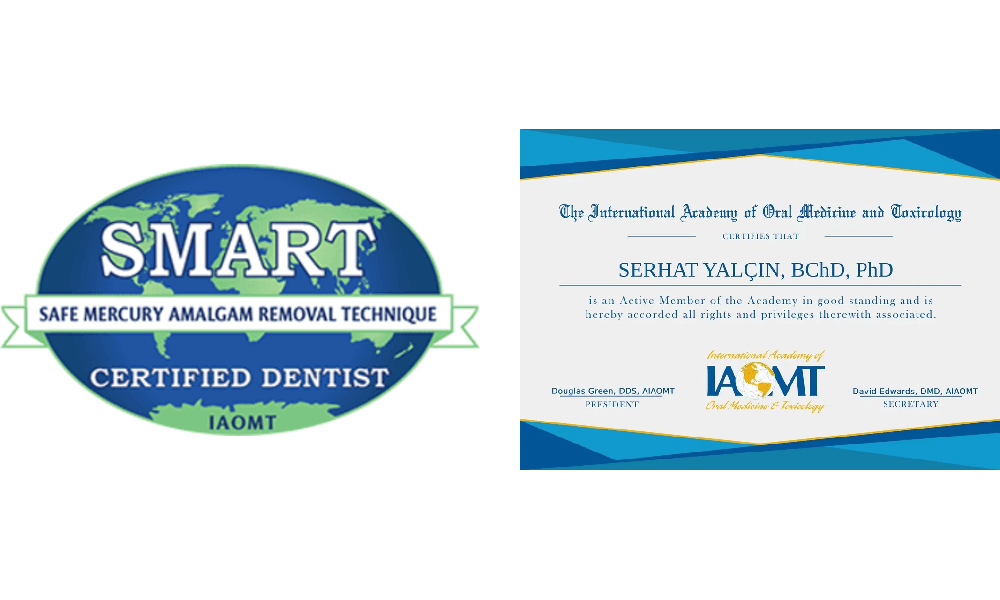
Steps of the Amalgam Filling Removal Procedure
The procedural steps applied during the removal of amalgam fillings are as follows:
Clinic and Patient Preparation
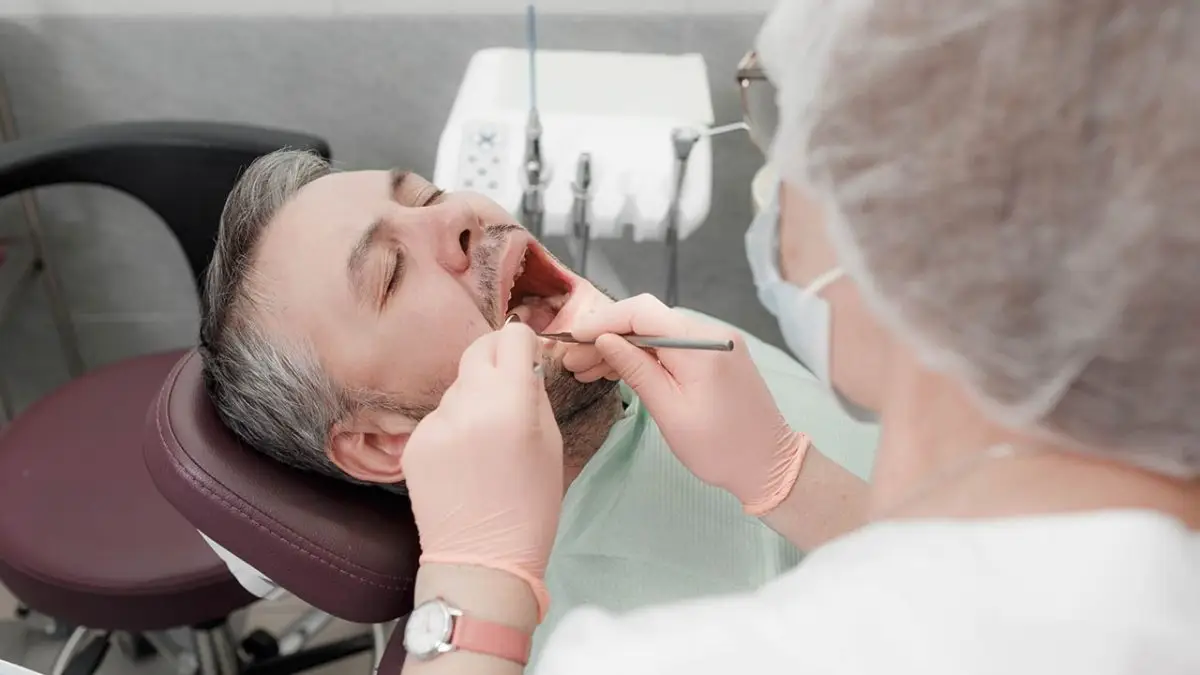
Before the procedure, a detailed intraoral examination of the patient is performed and their general health status is evaluated. Systemic diseases, pregnancy status, breastfeeding process, and current medication use are inquired about. If deemed necessary, local anesthesia planning is performed. A disposable cap, gown, and protective glasses are prepared for the patient, reducing the risk of cross-contamination and particle contact.
Isolation and Respiratory Protection
A rubber dam is applied to the tooth for intraoral isolation. The rubber dam prevents amalgam particles from spreading into the mouth and being swallowed. The patient is fitted with a mask that provides pure oxygen or external ambient air through the nose. This application reduces the risk of inhaling mercury vapor that may be released during the procedure. The patient’s face and body are covered with additional protective covers.
Environmental Ventilation and Air Quality Control
In the SMART approach, not only the patient but the entire clinical environment is protected. The area where the procedure is performed is ventilated with clean air. Air filtration systems or ionization devices are used to reduce the particle density in the air. These applications especially help to remove mercury vapor that accumulates in enclosed spaces from the environment.
Amalgam Removal Technique
During the removal of the amalgam filling, the aim is to keep heat increase and particle formation to a minimum. For this reason, high speed is avoided, continuous and abundant water irrigation is provided, and the amalgam filling is removed by being divided into pieces as large as possible. This method both reduces the risk of mercury vaporization and prevents damage to surrounding tissues.
High-Volume Aspiration
High-power aspiration systems are used throughout the procedure. The high-volume vacuum instantly removes the released amalgam particles and aerosols from the environment. Absorbent materials placed under the rubber dam help reduce the risk of leakage.
Intraoral Cleaning and Rinsing
After the amalgam removal is completed, the patient’s oral cavity is rinsed with plenty of water. Rinsing solutions containing activated charcoal or similar binding properties may be used to help remove particle residues in the mouth. These applications are supportive in nature and do not replace standard treatment.
Protection of Healthcare Personnel
The SMART protocol also covers the protection of the clinical team. The dentist and assisting personnel use filtered masks, protective glasses or face shields, hair coverings, and long-sleeved protective clothing to minimize particle and aerosol exposure.
Clinical Warnings and Limitations
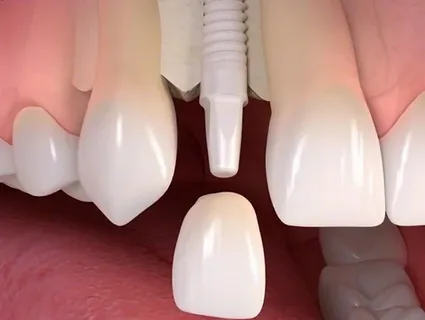
The SMART protocol is a procedure that is recommended to be postponed during pregnancy and breastfeeding periods, unless there is an urgent clinical necessity. After amalgam removal, new restoration planning is made and the patient is informed about post-procedure care.
Amalgam Filling Removal Procedures at Dentram
If pregnancy, metal sensitivity, or special health conditions are involved, the decision must absolutely be made after a personal evaluation, as also recommended by our founders, Oral, Dental and Maxillofacial Surgery Specialist Prof. Dr. Serhat Yalçın and Orthodontic Specialist Dr. Aylin Yalçın. For individuals with expectations of dental health, aesthetics, and biocompatibility, getting information about current filling materials such as composite or ceramic will be the right step. You can contact us now to get detailed information.